Frida Kahlo və Dieqo Riveranın sevgi hekayəsi sadəcə iki görkəmli sənətkar arasındakı romantikadan daha çox şeydir. Bu, ağrı, sədaqət, azadlıq və naməlum cazibə qüvvəsi və izaholunmaz bir vəsvəsə ilə vurulan iki ruh arasındakı qırılmaz bağın epik bir hekayəsidir. Onların hissləri heç bir sərhəd tanımırdı, heç bir bəraət axtarmırdı, məntiqə meydan oxuyurdu. Bu, taleyə bənzər bir ehtiras idi: dağıdıcı, lakin canlı, yaratdıqları sənət kimi.
Gələcəyin əfsanəvi sənətçisi Frida 1907-ci ildə Mexiko şəhərində yəhudi mühacir ata və ispan gözəlinin ailəsində anadan olub. Hələ uşaq ikən onun həyatı sınaqlarla yadda qalıb: ağır poliomielit tutması onu axsamağa vadar etdi, lakin bu, onun ruhunu sındırmadı. Şən və hazırcavab olan o, ağrı ilə üzləşməyi və onu obrazlara çevirməyi erkən öyrənib.
Lakin onun ən çətin sınağı on səkkiz yaşında, dəhşətli avtomobil qəzasına düşəndə baş verib. Nəticədə, bədəni budaq kimi qırılıb - sınıqlar, xəsarətlər və otuz iki əməliyyat. Bu faciənin təsirləri Fridanın ömrünün sonuna qədər onunla qaldı və onu nəinki bir neçə il gips sarğısı altında hərəkətsiz qalmağa, dözülməz fiziki ağrılara dözməyi və yatırmağı öyrənməyə, həm də xarakterinin təməllərini möhkəmləndirməyə və təkmilləşdirməyə məcbur etdi. Qəzadan cəmi bir neçə ay sonra Fridanın yazdığı kimi: "Bir yaxşı şey var: əzablara öyrəşməyə başlayıram."
Bu, bir fəlakət idi - və eyni zamanda yeni bir rəssamın doğulması. Məhz o zaman yataq xəstəsi olan Fridanın xilas yolu tapdı - fırçalar və rəsmlər. Fridanın atası, fotoqraf Guillermo Kahlodan həyat təcrübələrini kağız üzərində rəsm şəklində ifadə etmək kimi bədii istedadı miras aldı. O, atasını yatağına xüsusi bir molbert bağlamağa və avtoportretlər çəkməyə başlaya bilməsi üçün əks divara güzgü asmağa inandırdı. Beləliklə, onun özünəməxsus bədii üslubunun inkişafı başladı: canlı, ifadəli, sabit baxışların arxasında gizlənmiş daxili ağrılarla dolu. Fridanın rəsmlərinin əksəriyyəti avtoportretlərdir və o, heç vaxt gülümsəmir. Kəskin üz cizgilərinə və özünəməxsus təbiətinə baxmayaraq, Fridanın xüsusi bir cazibəsi var idi: şənliyi, iti hazırcavablığı və yumor hissi onu sadəcə qarşısıalınmaz edirdi.

Frida Kahlonun "Məxməri donlu avtoportret", 1926
Lakin Fridanın həyatında başqa bir qüvvə var idi - ölümün özü qədər böyük və qaçılmaz bir qüvvə. Bu, Dieqo Rivera idi.
Rəssamlıq Fridanı Dieqo ilə bir araya gətirdi. Fridanı ilk dəfə ona əsərlərini göstərəndə o, artıq tanınmış bir rəssam, divar rəssamı idi, əsərləri üçün özəl sifarişlər alır və Meksika hökumətindən ictimai sifarişləri yerinə yetirirdi.
"Bu qız anadangəlmə bir rəssam idi, fövqəladə həssas və müşahidəçi idi", Rivera gənc Kahlo haqqında dedi.
O, nəhəng boylu, tamamilə yöndəmsiz, lakin cazibədarlığı və xarizması ilə inanılmaz dərəcədə yoluxucu idi. Dieqoda Frida təkcə bir müəllim deyil, həm də ehtiraslar və fəlakətlərlə dolu bir həyatı bölüşəcəyi bir kişi tapdı.
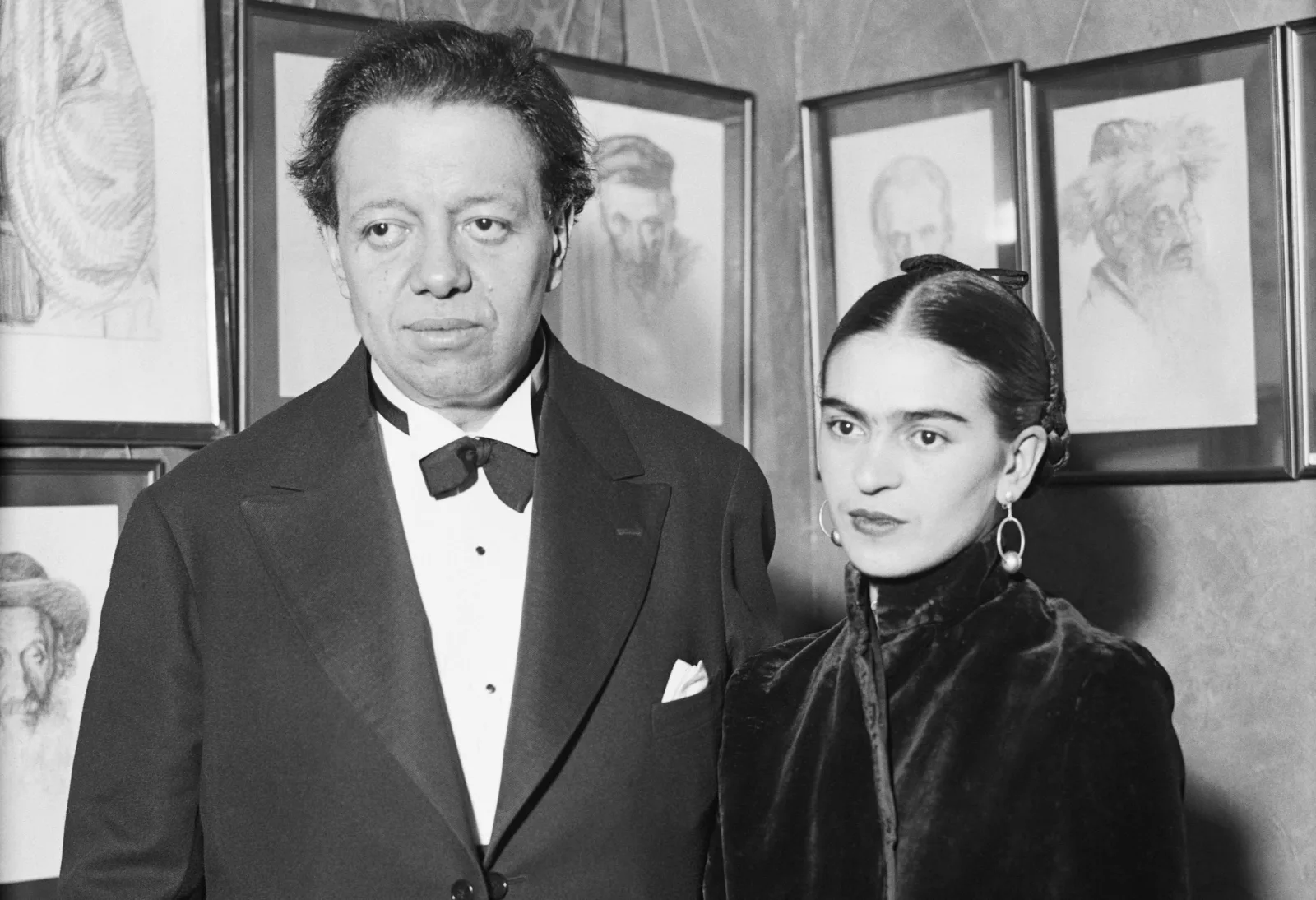
1929-cu ildə, iyirmi illik yaş fərqinə baxmayaraq, Frida Kahlo və Dieqo Rivera evləndilər. Hətta mərasimin özü də onların gərgin, gözlənilməz birliyini əks etdirirdi: toy qalmaqalla başa çatdı, Dieqo qəfildən əsəbiləşərək qonaqlara tüfəng atəş açdı. Hadisədən şoka düşən Frida valideynlərinin evinə qaçdı. Lakin Rivera tezliklə bağışlanmasını qazandı və ərini geri qaytardı. Beləliklə, sonradan bohemlər, sənətçilər və müxtəlif sosial hərəkatlar üçün görüş yeri olan "Mavi Ev" kimi tanınan evdə birlikdə həyatları başladı.

İyirmi illik yaş fərqi bu onsuz da qeyri-adi cütlüyün qeyri-adiliyini daha da artırdı. Onların birliyi əsl ehtiras və duyğu qasırğası idi - bəzən onları hər şeyi məhv edən sevginin zirvəsinə qaldıran, sonra isə kar edən bir qüvvə ilə qarşılıqlı kin və anlaşılmazlıq qayalarına çırpan coşğun bir sel kimi. Qadınların diqqəti ilə əhatə olunmuş Dieqo keçmişindən əl çəkməyə tələsmirdi və iyirmi yaşlı Frida ilə evləndikdən sonra da keçmiş sevgililəri ilə ünsiyyətdə olmağa davam etdi. Bu, onun qürurunu dərindən yaralayır və əzablara səbəb olur, etibarını sarsıdırdı. Kəskin zehni və eyni dərəcədə iti dili olan Frida ağrısını gizlətmirdi və ərinin soyuqluğundan inciyərək tez-tez onun işini sərt şəkildə tənqid edirdi.
Digər bir ağır zərbə ana olmaq üçün fiziki cəhətdən aciz olması idi: gəncliyində aldığı travmalar onu uşaq sahibi olmaq ümidindən məhrum edirdi. Bu itki onun sənətində də əks olunurdu - o, tez-tez Dieqonu körpə kimi təsvir edir, onu "böyük uşaq" adlandırır, sanki yerinə yetirilməmiş analığının yaratdığı boşluğu doldurmağa çalışırdı.
Onların evliliyi getdikcə daha da dağılırdı. Dieqonun sonsuz xəyanətləri, tezliklə Fridanın qarşılıqlı münasibətləri nəhayət onların münasibətlərini sarsıtdı. Lakin onun üçün əsl xəyanət kiçik bacısı ilə münasibəti idi - bundan sonra Kahlo onu bağışlaya bilmədi və 1939-cu ildə dərhal boşanma tələb etdi.
"Həyatımda iki faciə olub. Birincisi tramvay, ikincisi Dieqo idi", - Frida dedi.

Frida Kahlonun "İki Frida" əsəri, 1939
Frida Kahlonun fiziki və zehni əzabları dərindən çatdıran rəsmləri canlı rənglərlə doludur, eyni zamanda narahatedici, kədərli bir tona malikdir. Onun ən aşkar və simvolik əsərlərindən biri Riveradan boşanmasından qısa müddət sonra yaradılan "İki Frida" idi. Kətanda rəssam özünün əl-ələ tutmuş iki nəfərini təsvir edirdi: biri Viktoriya dövrünün Avropa geyimində, digəri isə ənənəvi Meksika geyimində. Bu şəkildə Frida daxili münaqişəsini ifadə edirdi: bir tərəfdən Meksikanın mədəni kökləri ilə əlaqəsi, digər tərəfdən isə Avropa təsirinə açıqlığı. Geyim, həmişə olduğu kimi, əsərlərində olduğu kimi, avtoportretin vacib hissəsinə çevrilir. Meksika geyimində Frida Dieqonun sevdiyi qadını, Avropa geyimində isə üz döndərdiyi qadını təmsil edirdi.
Lakin bu ikili avtoportret daha dərin bir eyhamı da gizlədir. Hətta uşaq ikən poliomielitdən və həmyaşıdlarının lağ etməsindən əziyyət çəkən Kahlo xəyali bir dost - onun üçün ola biləcək bir dəstək sistemi təsəvvür edirdi. "İki Frida"da rəssam əslində həmişə onun yanında olan tək insanı - özünü təsvir edirdi.
Ayrılıqdan sonra o, ağrıları qısa romantik münasibətlərlə yatırmaq ümidi ilə ABŞ-a səyahət etdi, lakin tezliklə şiddətli onurğa ağrısı səbəbindən xəstəxana çarpayısında qaldı. Bunu eşidən Dieqo dərhal onun yanına qaçdı və yenidən evlilik təklifi etdi. Frida qəbul etdi, lakin qəribə, demək olar ki, absurd şərtlər irəli sürdü və Rivera tərəddüd etmədən razılaşdı - Rivera onu geri qaytarmaq üçün çox ümidsiz idi. Beləliklə, 1940-cı ildə onların ikinci toyu baş tutdu.

Frida Kahlonun "Dieqo və mən" əsəri, 1949-cu il
"Bəzən özümə sual verirəm: rəsmlərim rəsmdən daha çox ədəbiyyat əsəri deyildimi? "Bu, bir növ gündəlik, bütün həyatım boyu saxladığım yazışmalar idi... Əsərlərim yaza biləcəyim ən tam tərcümeyi-haldır", - deyə Frida ömrünün son on ilində saxladığı məşhur gündəliyində yazırdı. "Sağlamlığım olsaydı, hamısını Dieqoya verərdim."
Vəfatından əvvəl onu hələ də yer üzündə saxlayan son şeyi yazacaqdı. Frida fırça deyil, qələm götürür - həm həyatda, həm də rəsmdə olduğu əsl şair kimi. Və əsl qadın kimi, bütün qorxularına baxmayaraq, son balladasını - sevgi məktubunu yazır:

"DİEQO ağzımda, ürəyimdə, dəliliyimdə, xəyalımda, ləkəli kağızda, qələmin ucunda, karandaşlarda, mənzərələrdə, yeməkdə, metalda, təxəyyüldə, xəstəliklərdə, mağaza vitrinlərində, hiylələrində, gözlərində, dodaqlarında, yalanlarında."
13 iyul 1954-cü ildə Frida Kahlo Koyoakandakı Mavi Evində təkbaşına vəfat etdi. Bu poetik ünvanlı məktub Dieqoya ölümündən bir neçə gün əvvəl verilib.
Bu hekayə heç kəsi laqeyd qoya bilməz. Bu bizə xatırladır: güc ağrının olmamasında deyil, onunla üzləşmək bacarığındadır. Kiminsə gözlərinə baxın və yenə də sevməyə, yaşamağa və yaratmağa davam edin. Axı, insan təslim olmadığı müddətcə taleyindən güclüdür.
Müəllif: Cəmalə Naxçıvani, Global Art Jurnalının baş redaktoru