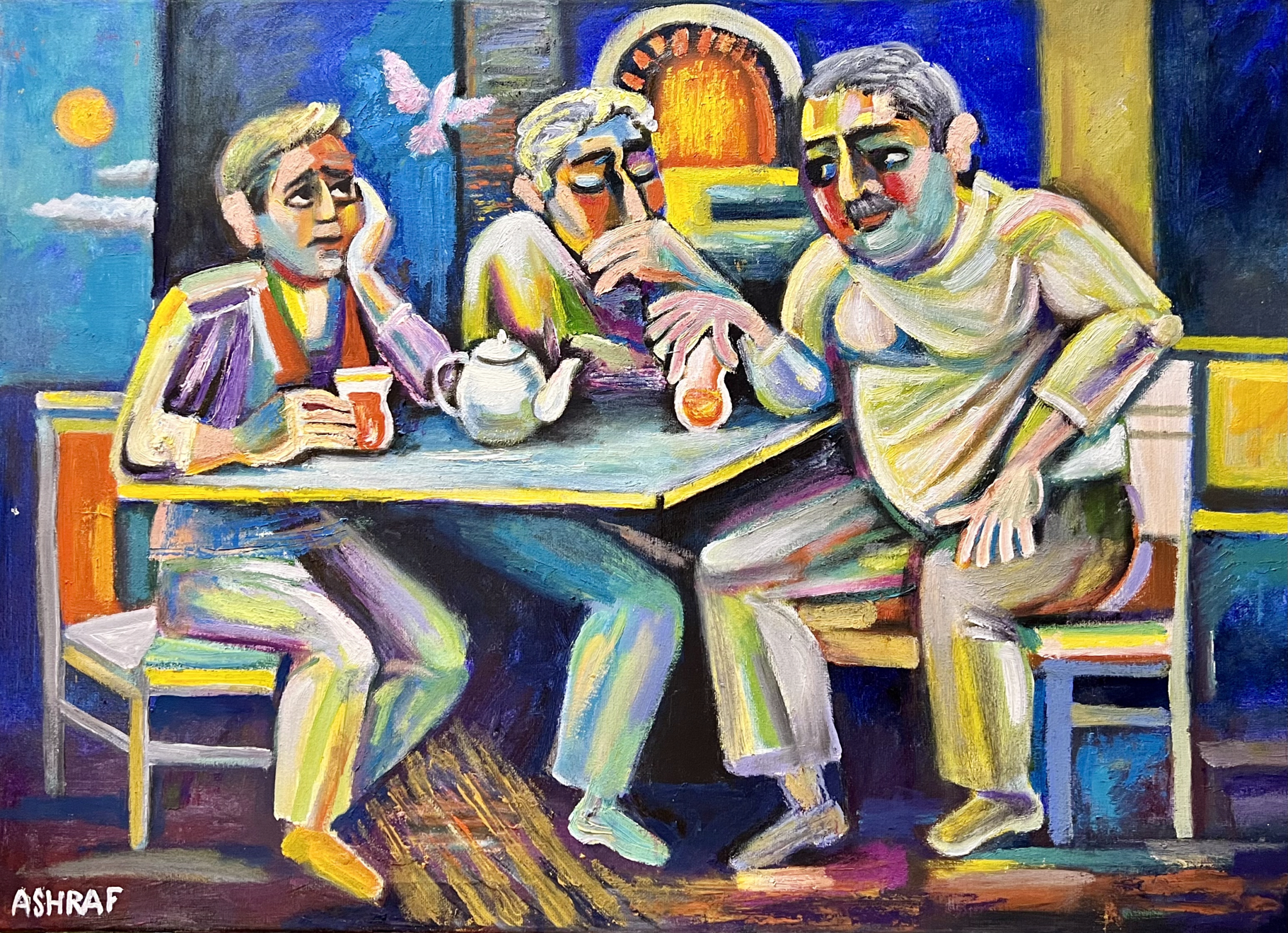


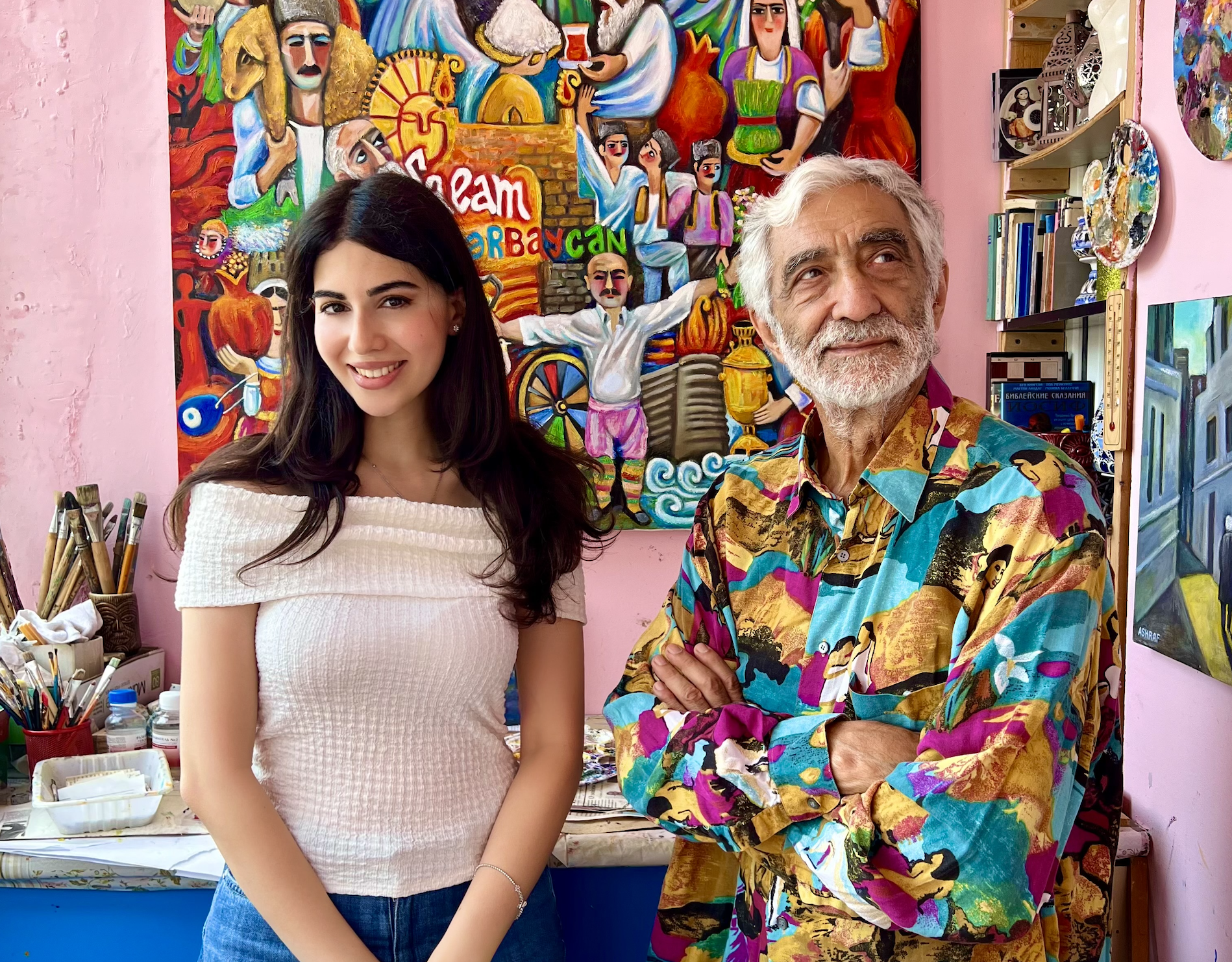
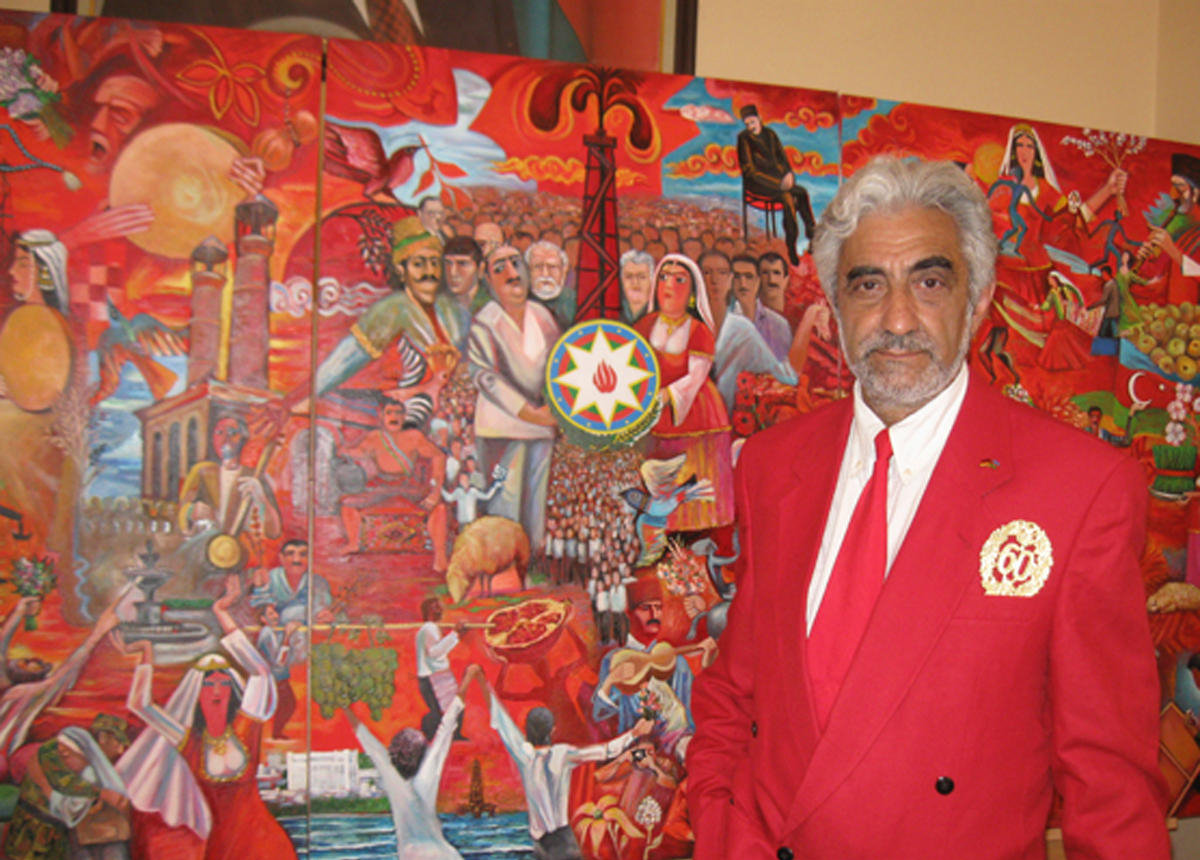
People’s Artist of Azerbaijan Ashraf Heybatov: “My mission is to promote Azerbaijani culture through my art.”
People’s Artist of Azerbaijan Ashraf Heybatov is a global figure whose work and mission extend far beyond the artistic realm. He is a member of the International Federation of Artists (UNESCO), the Union of Artists of Russia, and the German Artists’ Association. He is a laureate of the International Association “Art of the World” and has been awarded the title of “Ambassador of Peace” by the UN. He has presented his works at the world’s most prestigious venues: from the UN Palace of Nations in Geneva and the Council of Europe in Strasbourg to the Presidential Palace of Romania, NATO headquarters in Brussels, and the Royal Palace of Jordan. His paintings have been exhibited at the Palace of the Chancellery in the Vatican, the residence of the Duke of Luxembourg, in Malta, and at the Konrad Adenauer Foundation in Germany.
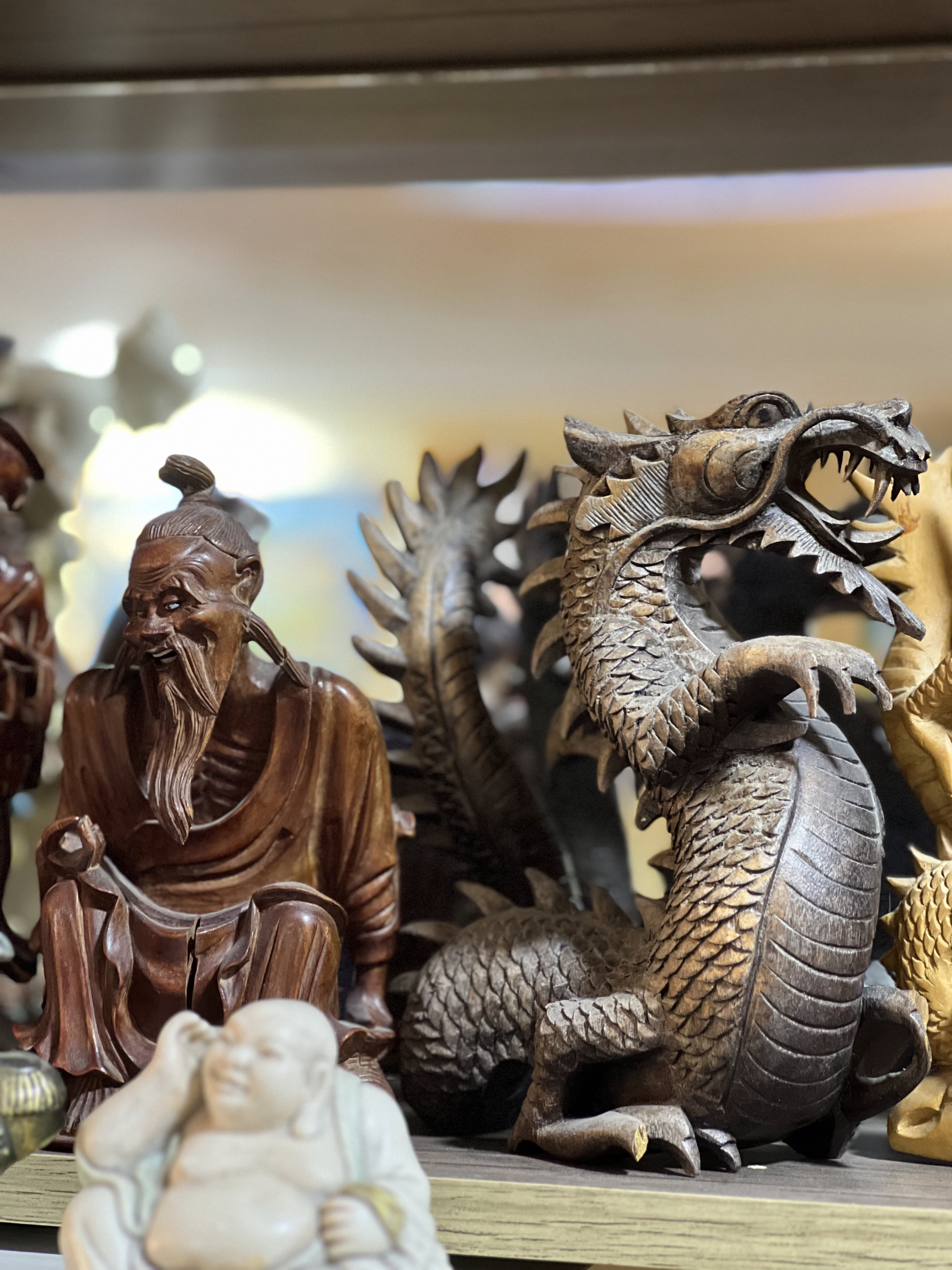
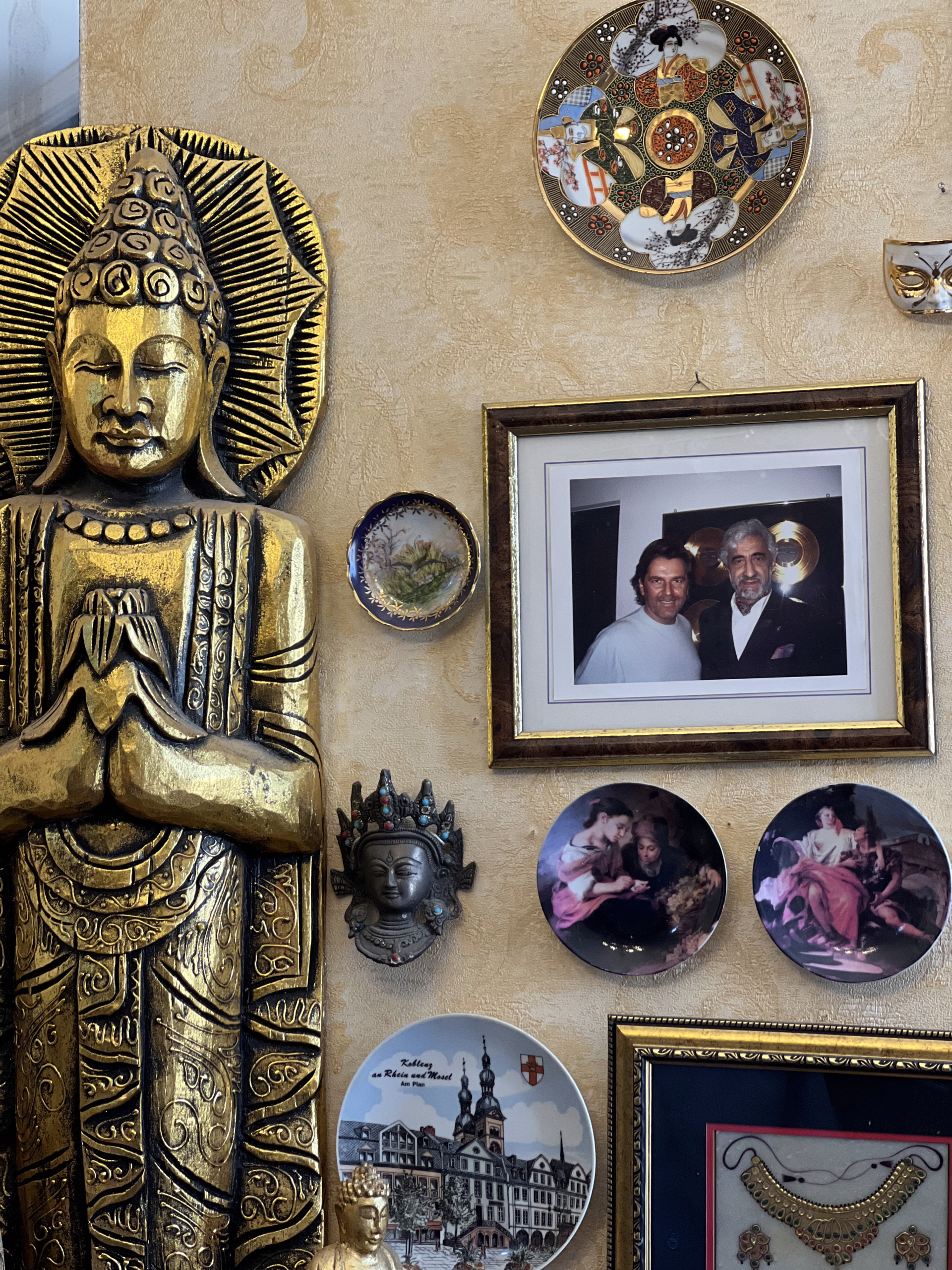
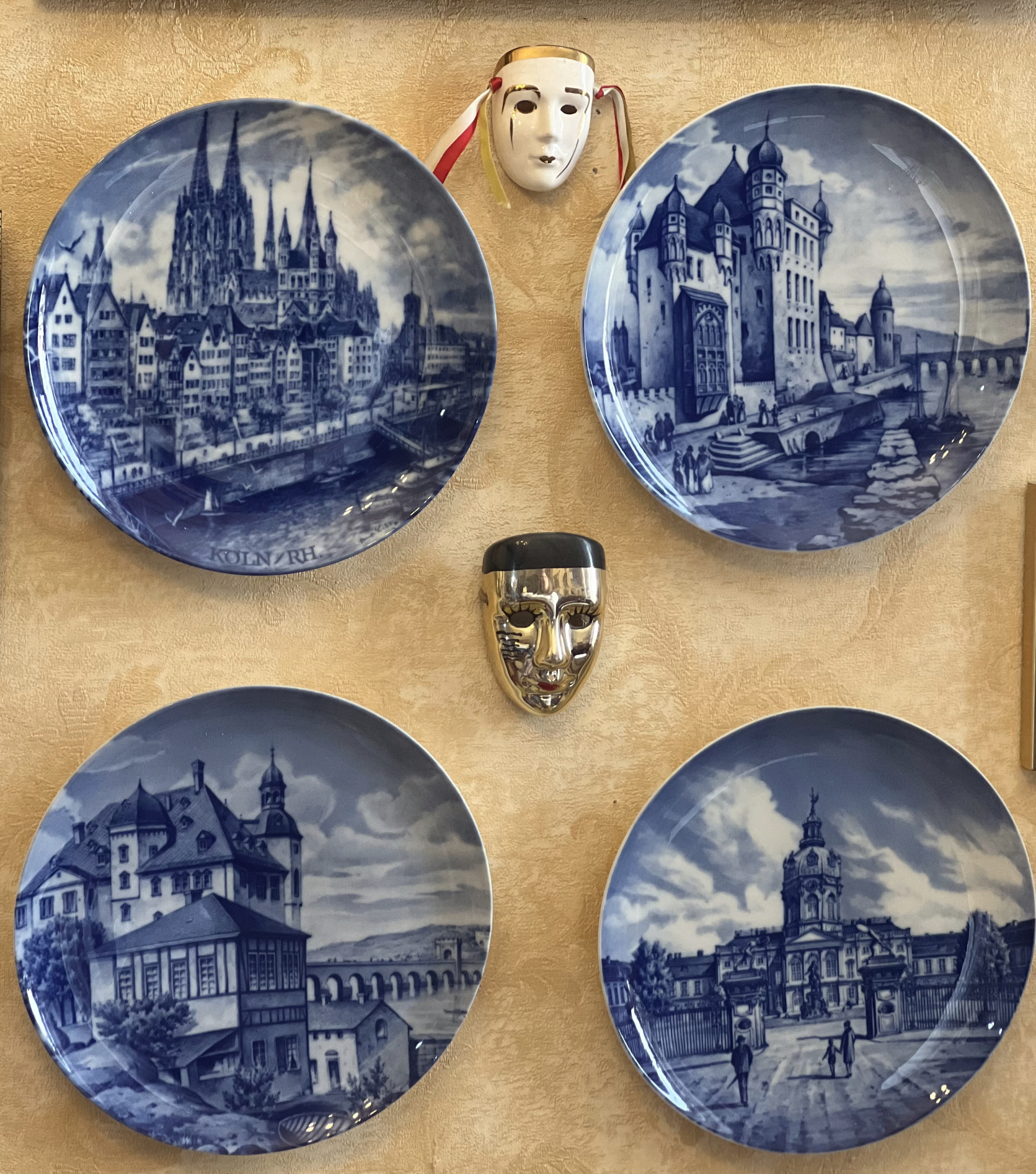
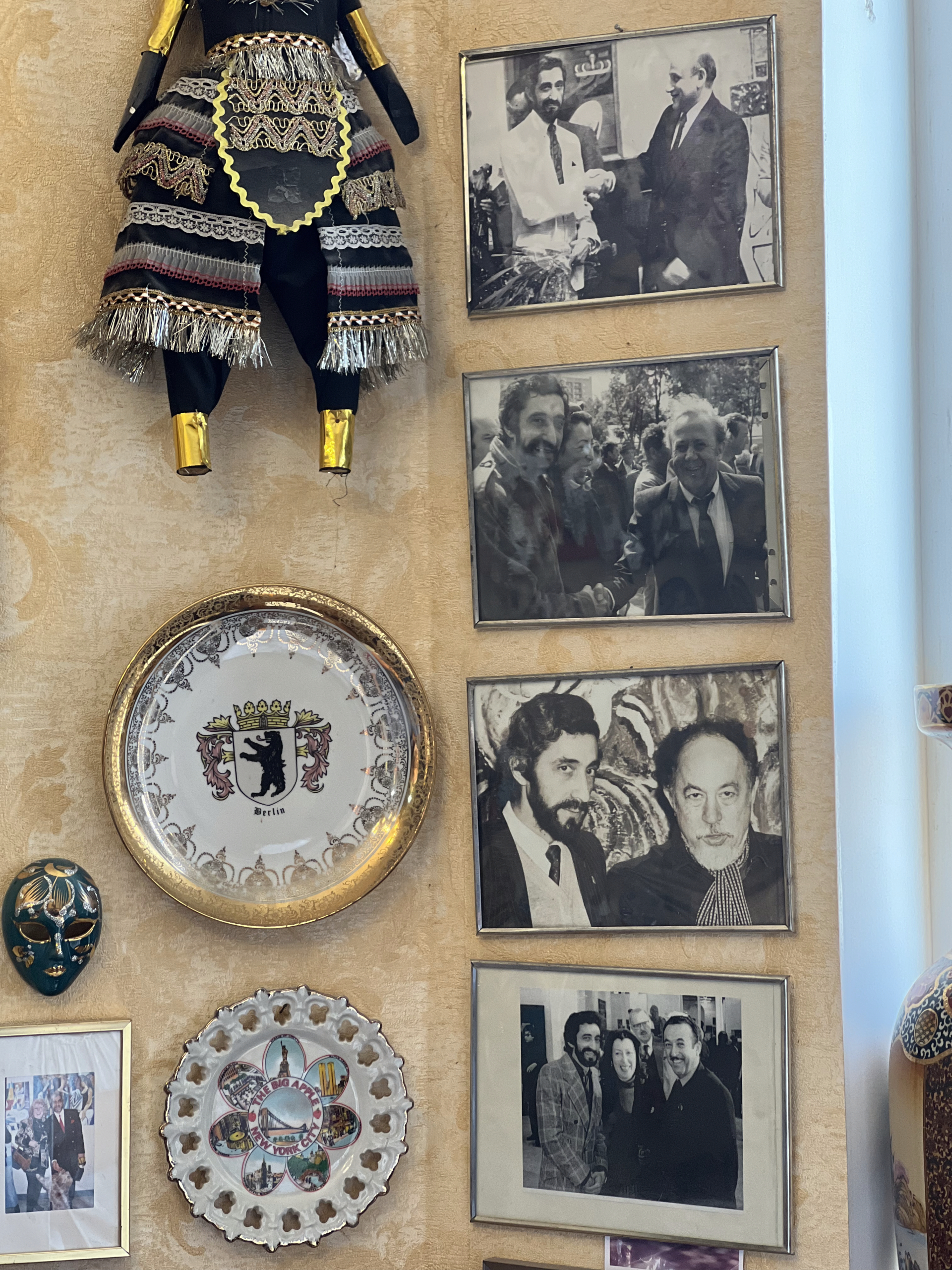
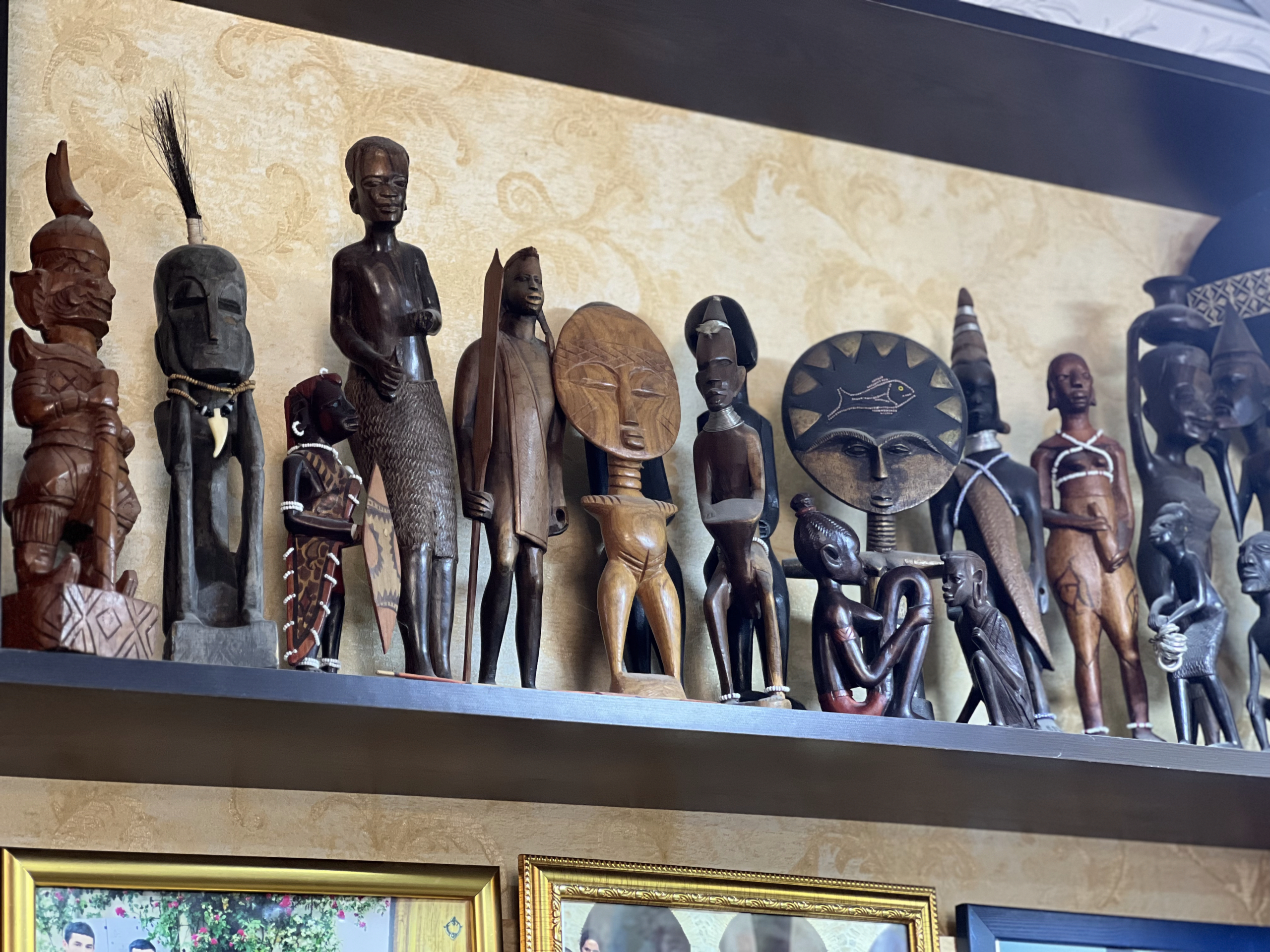
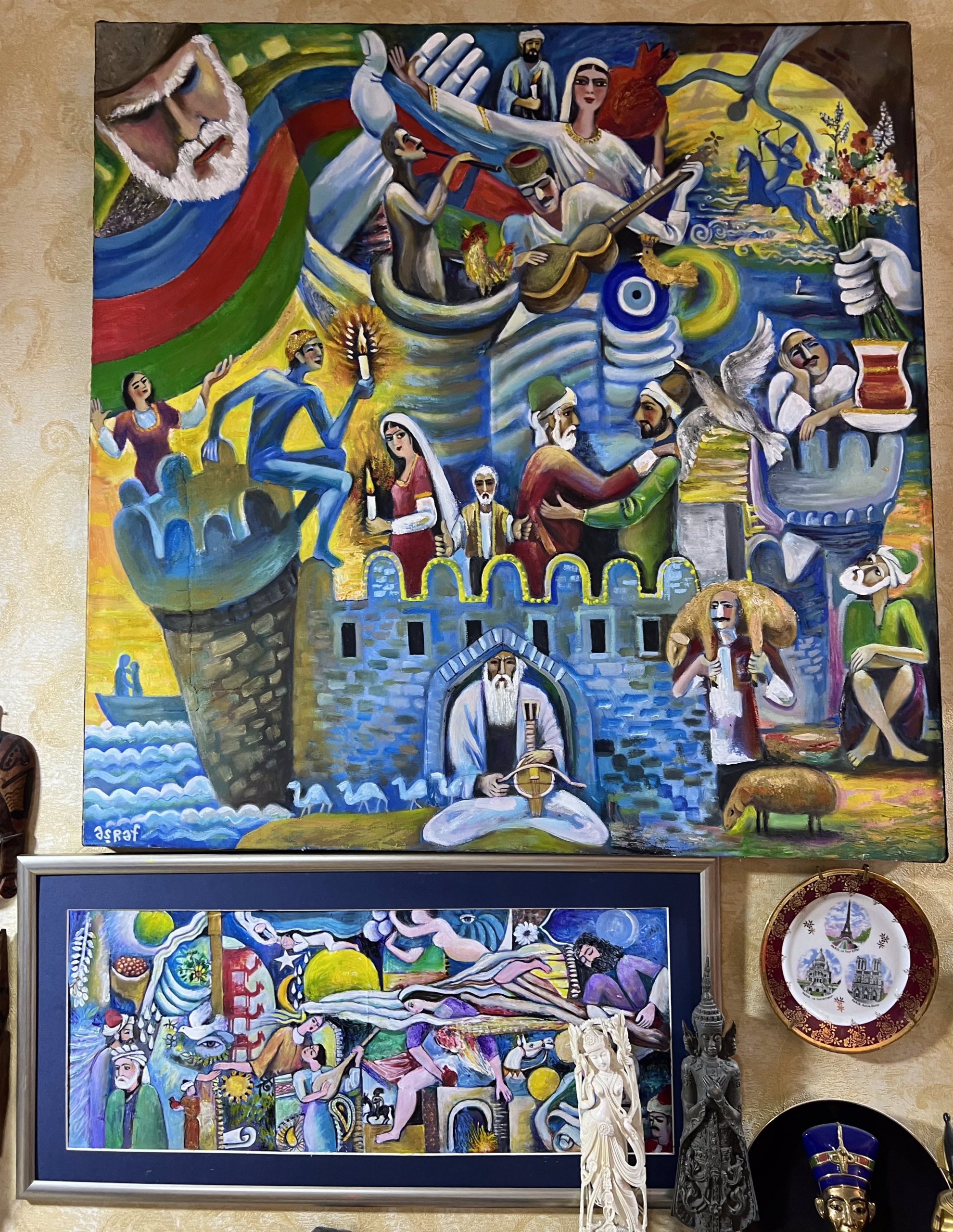
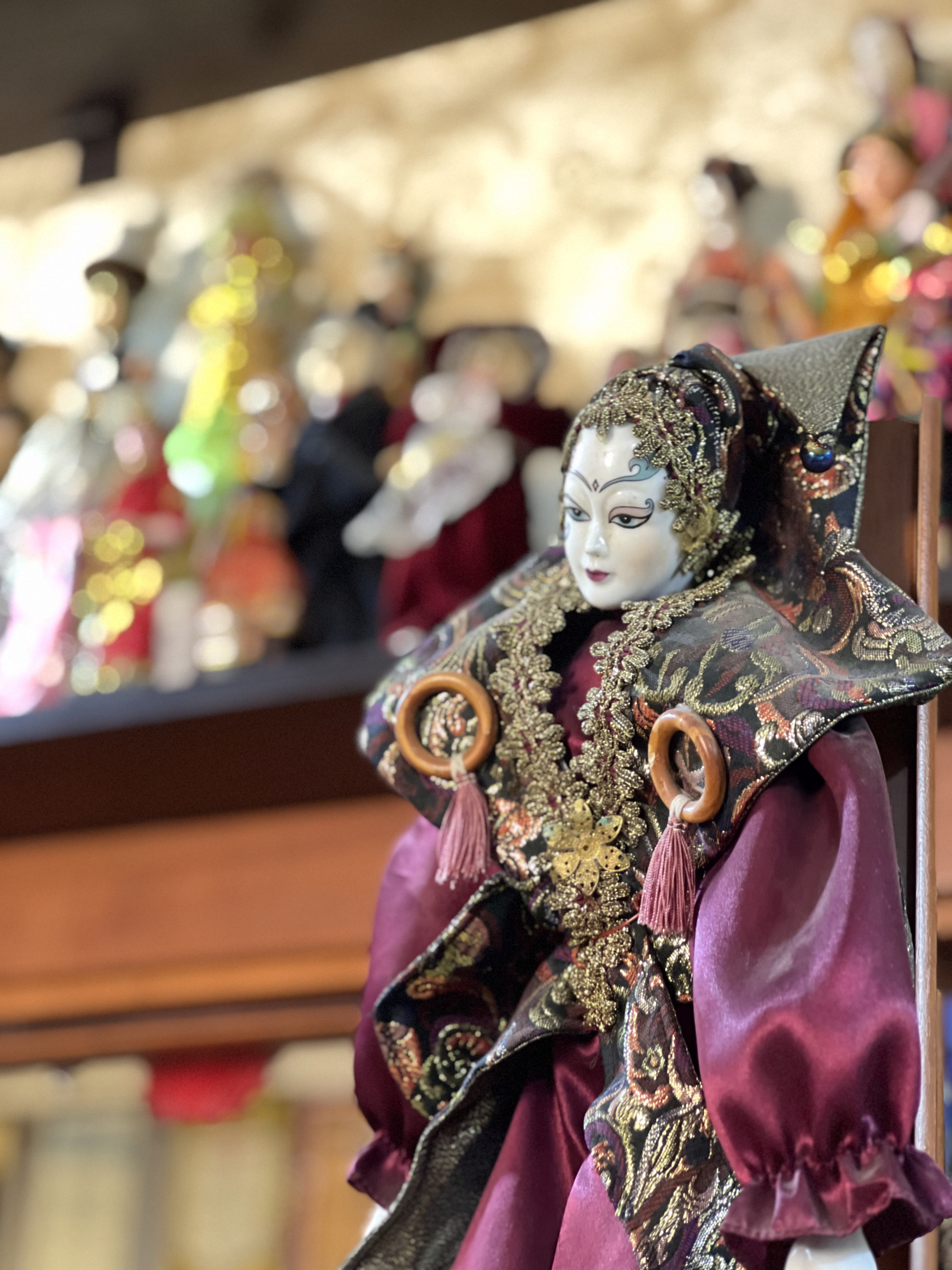
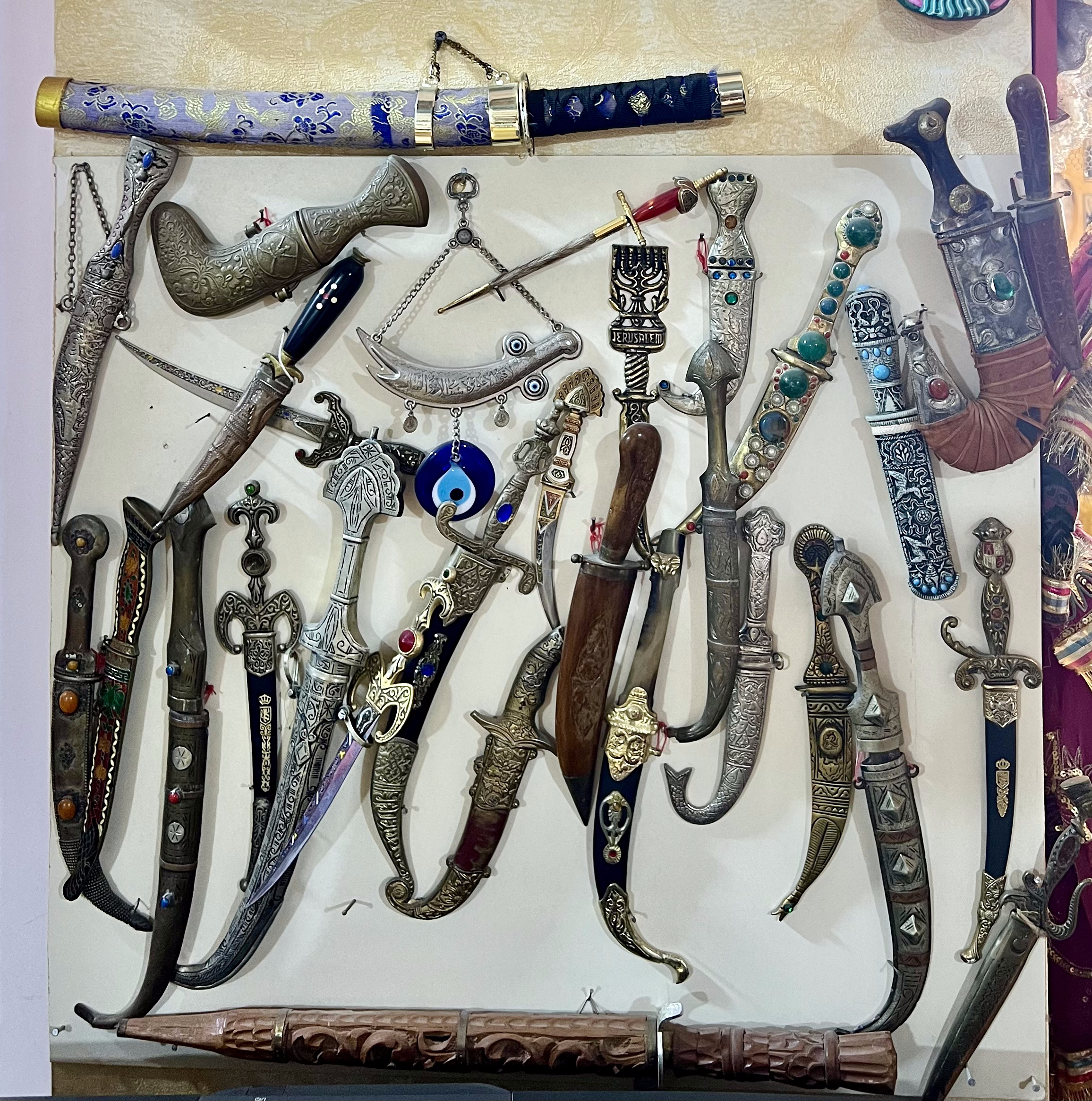
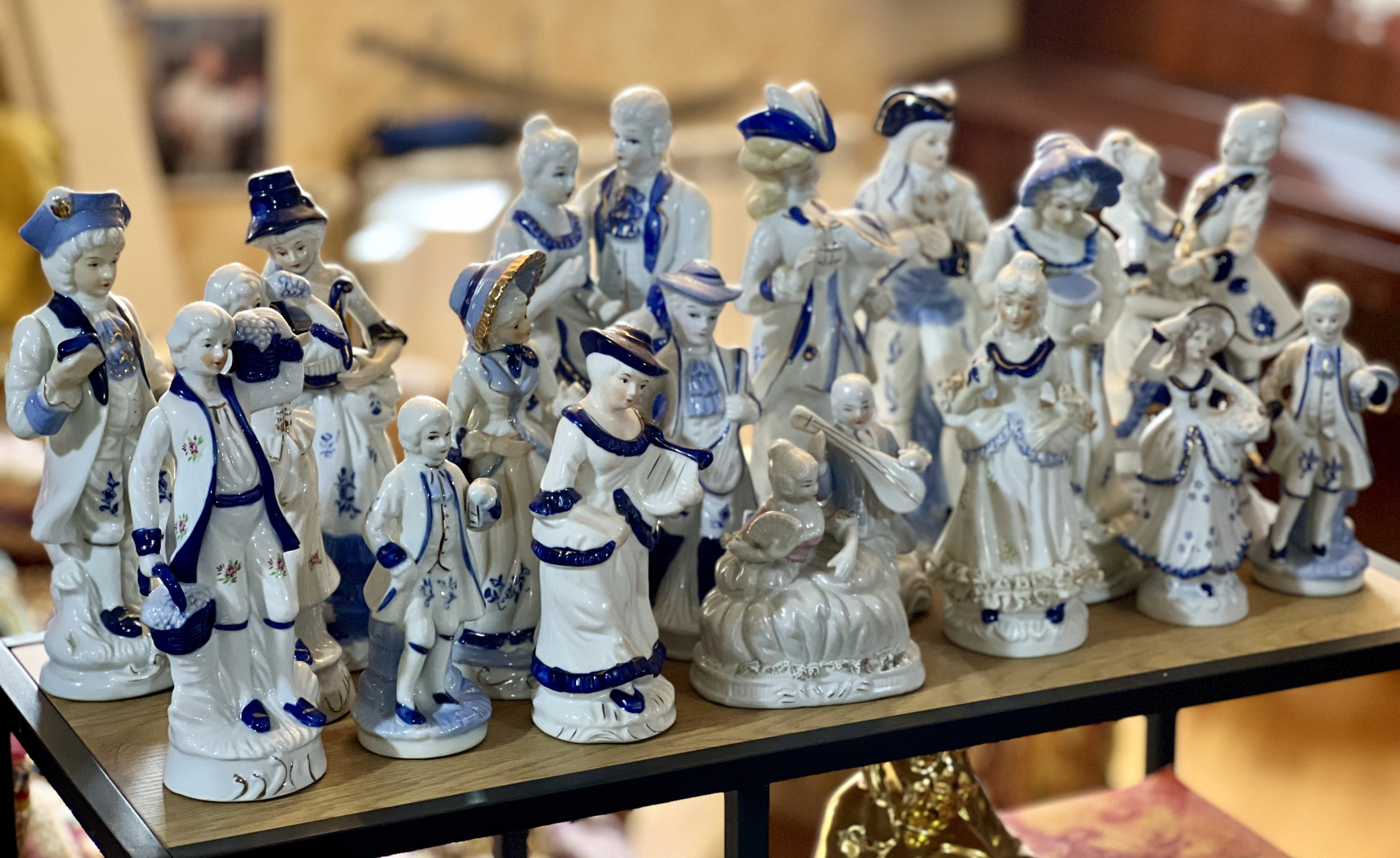
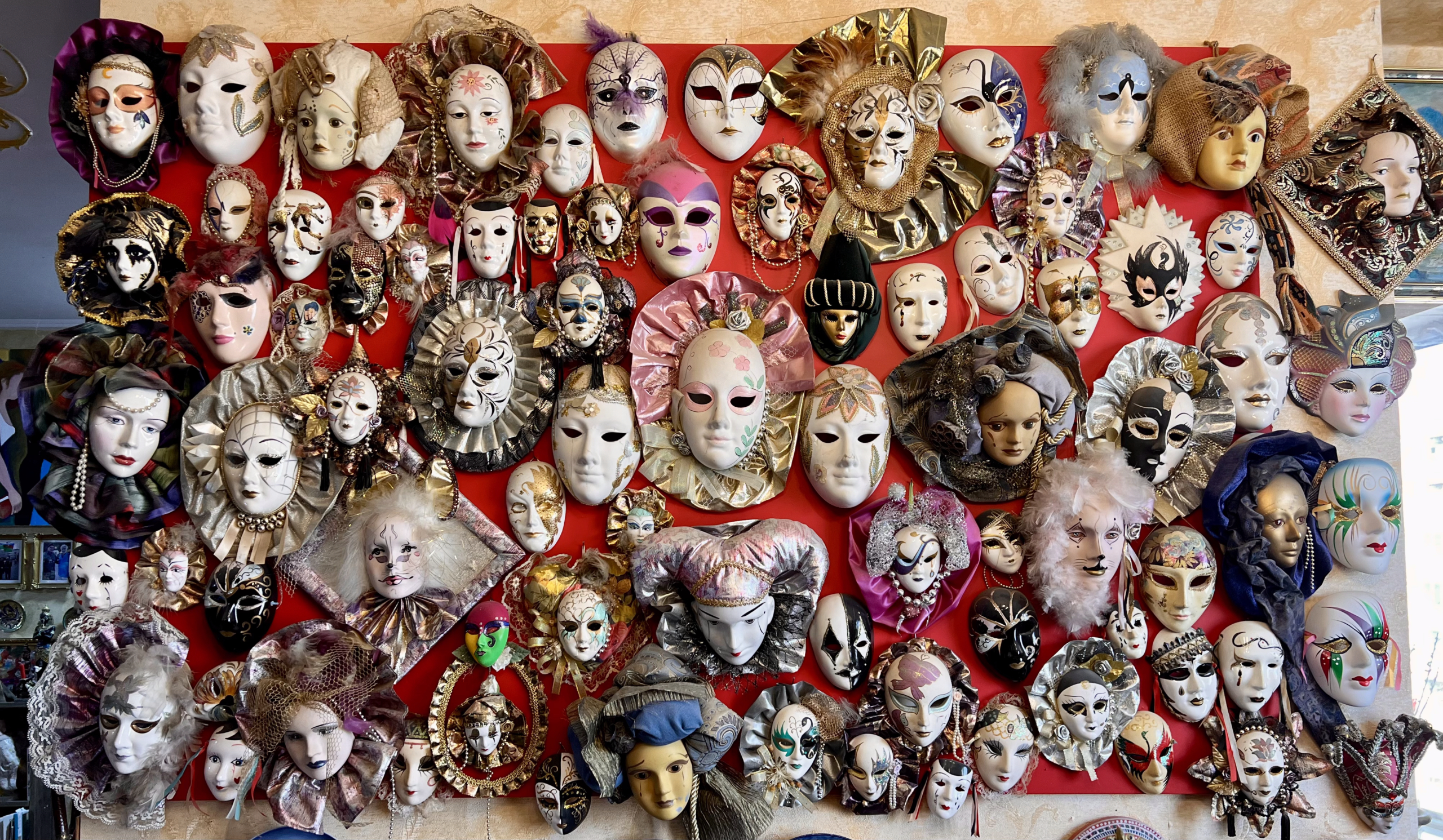
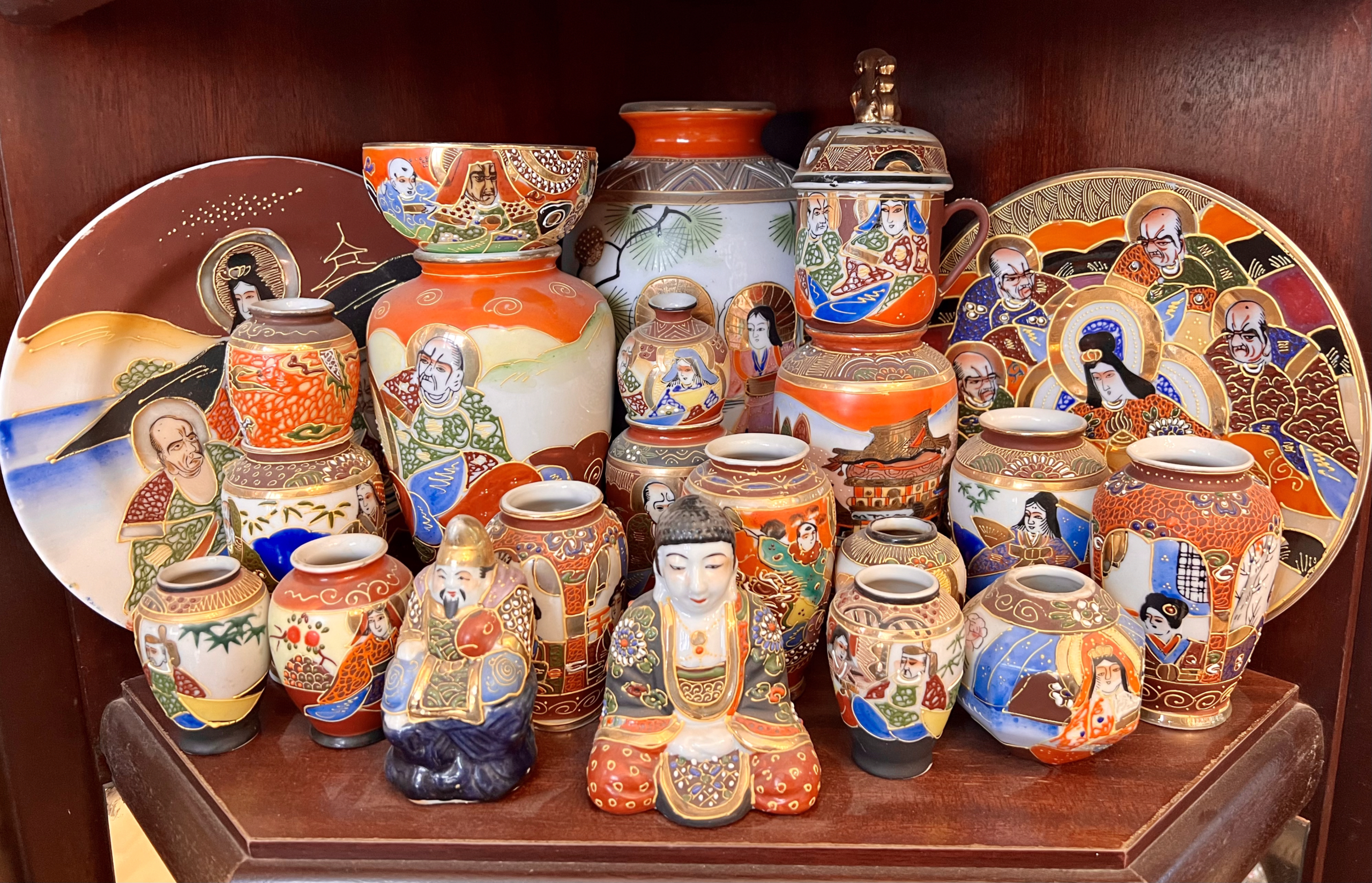
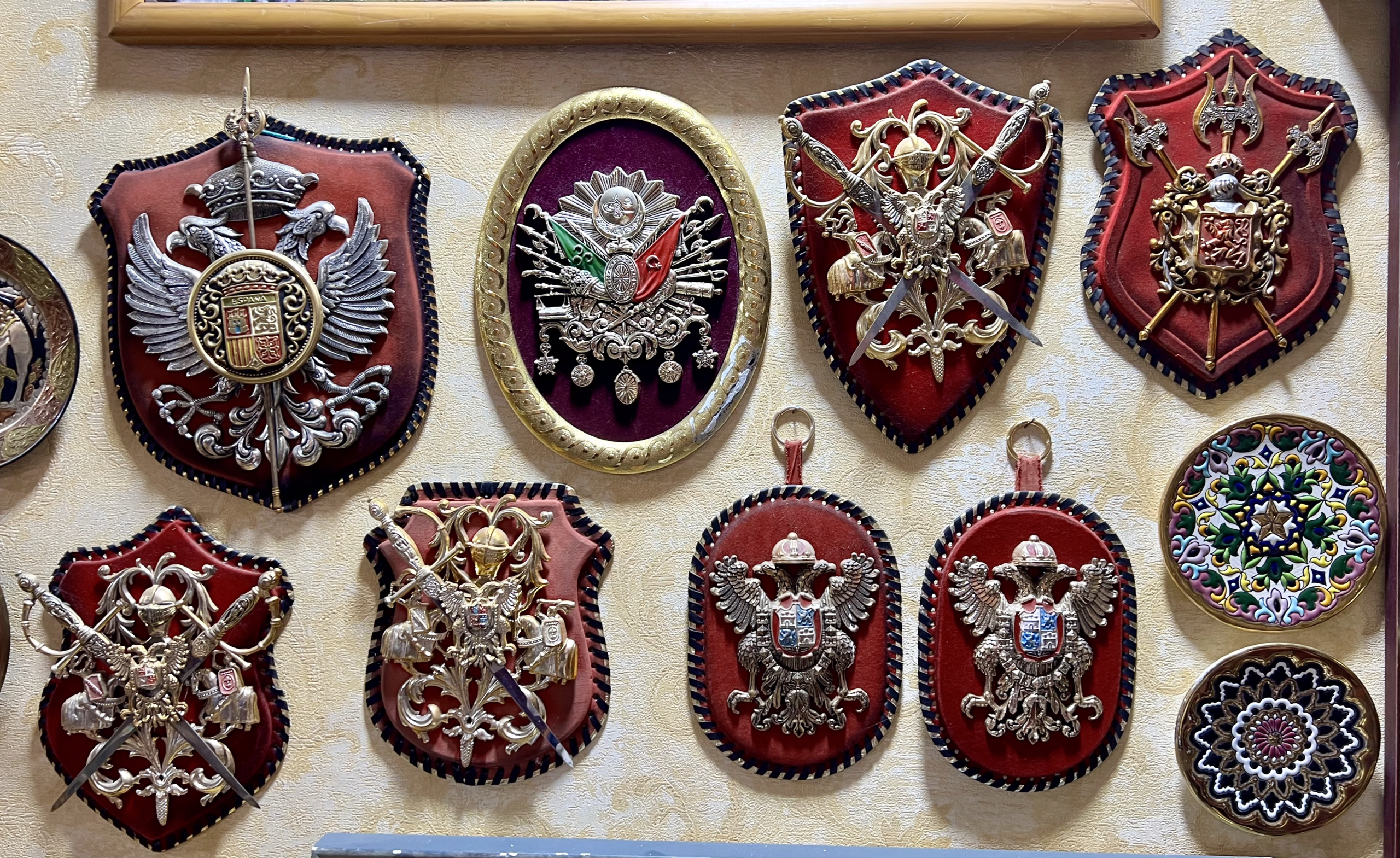
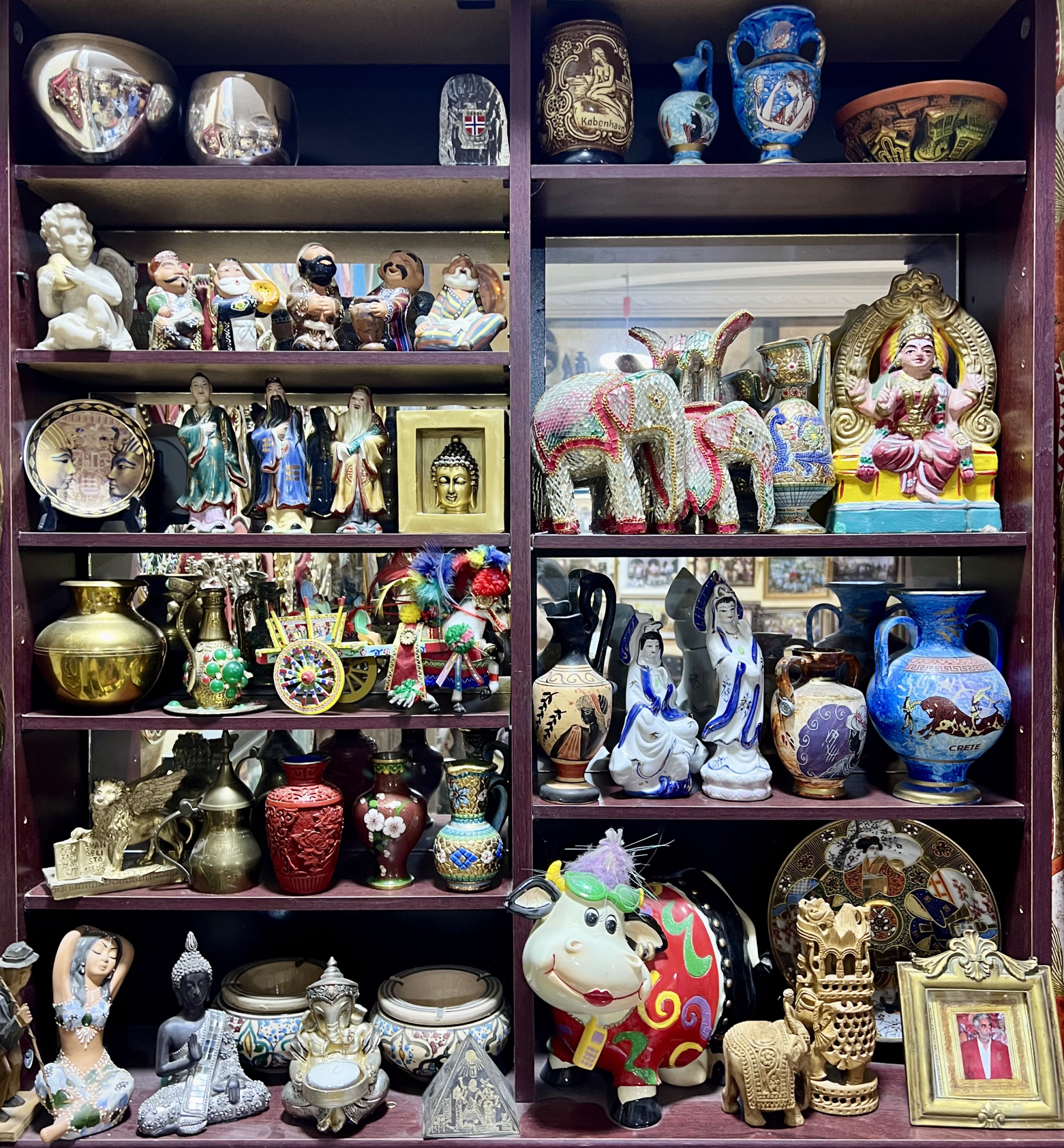
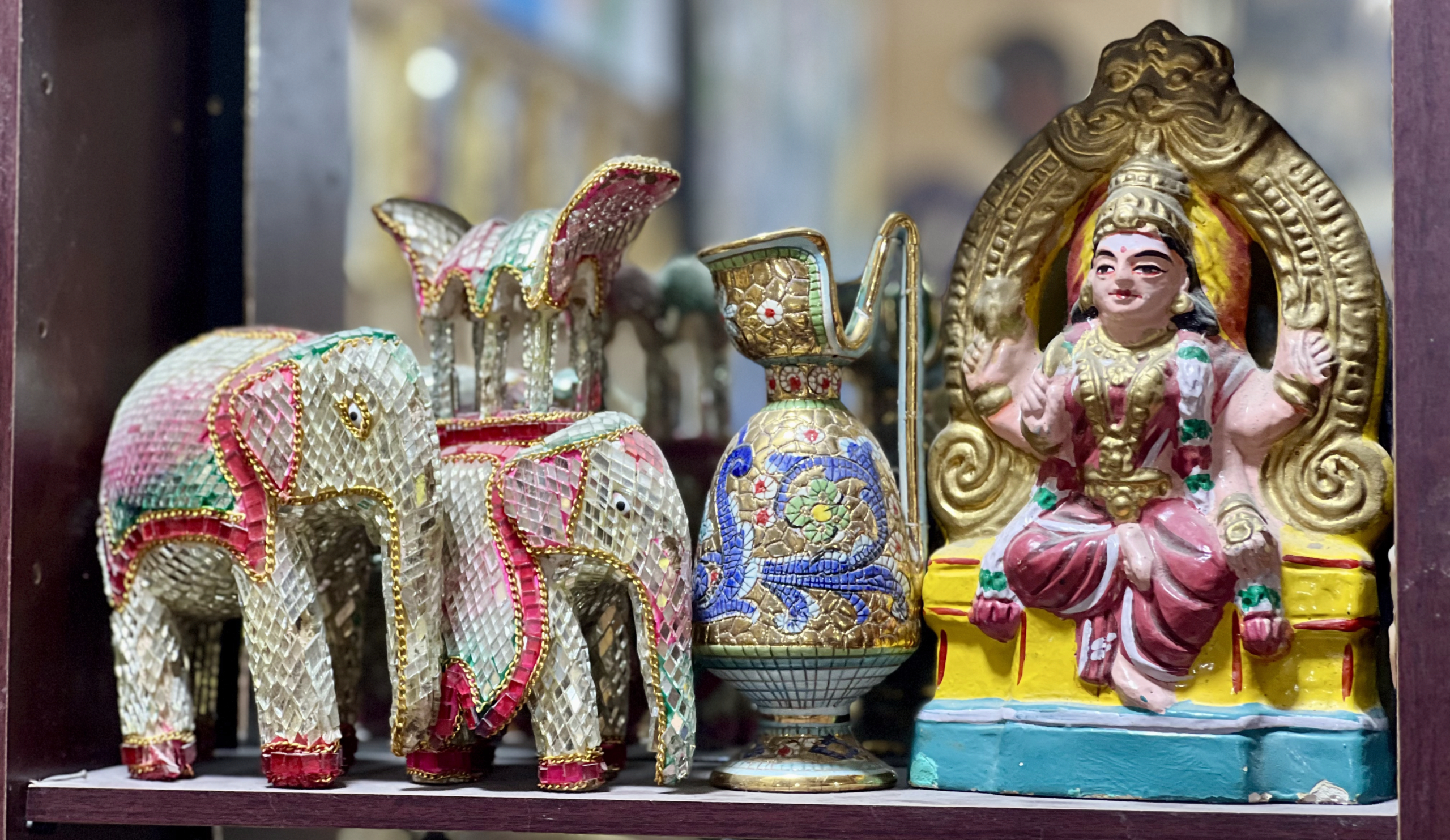
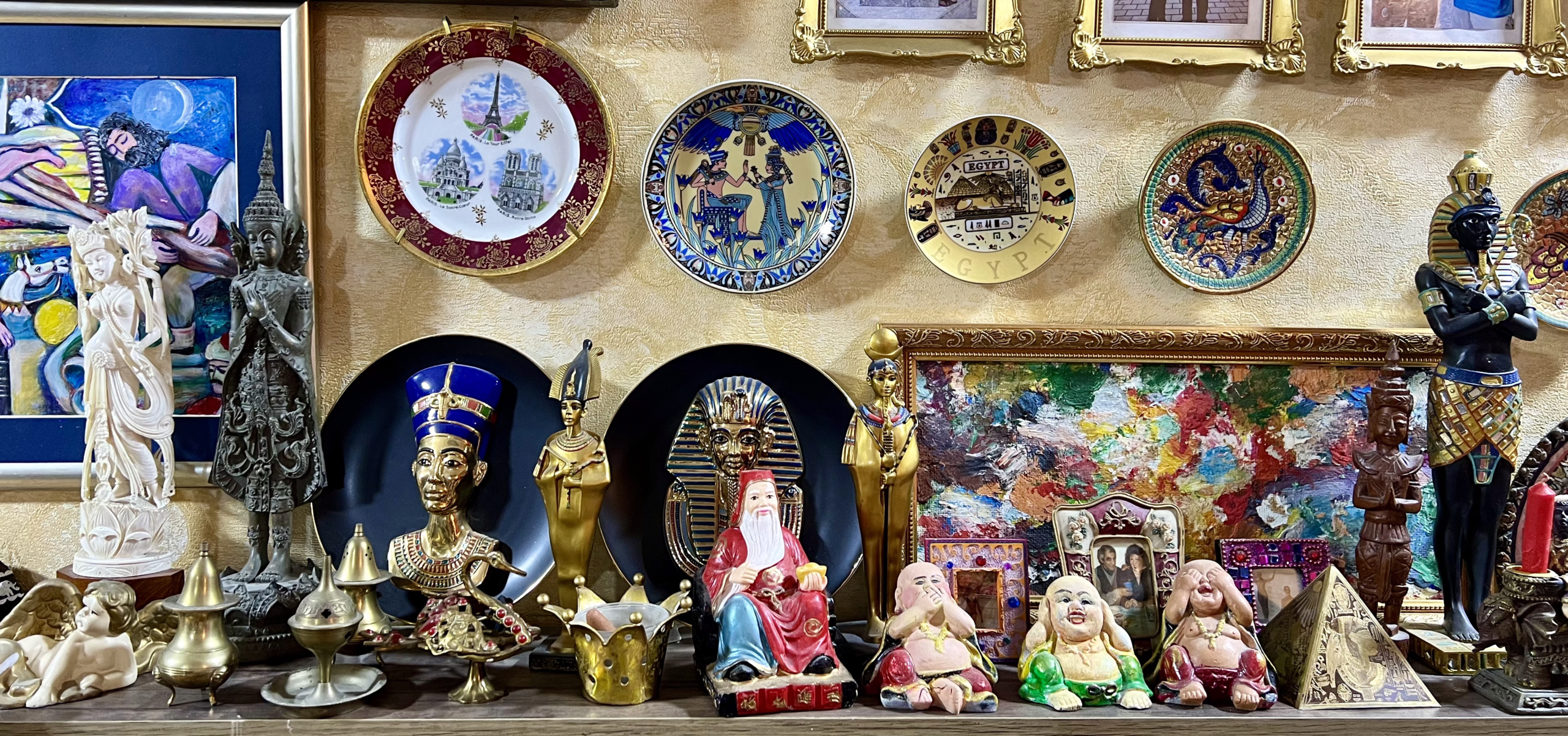
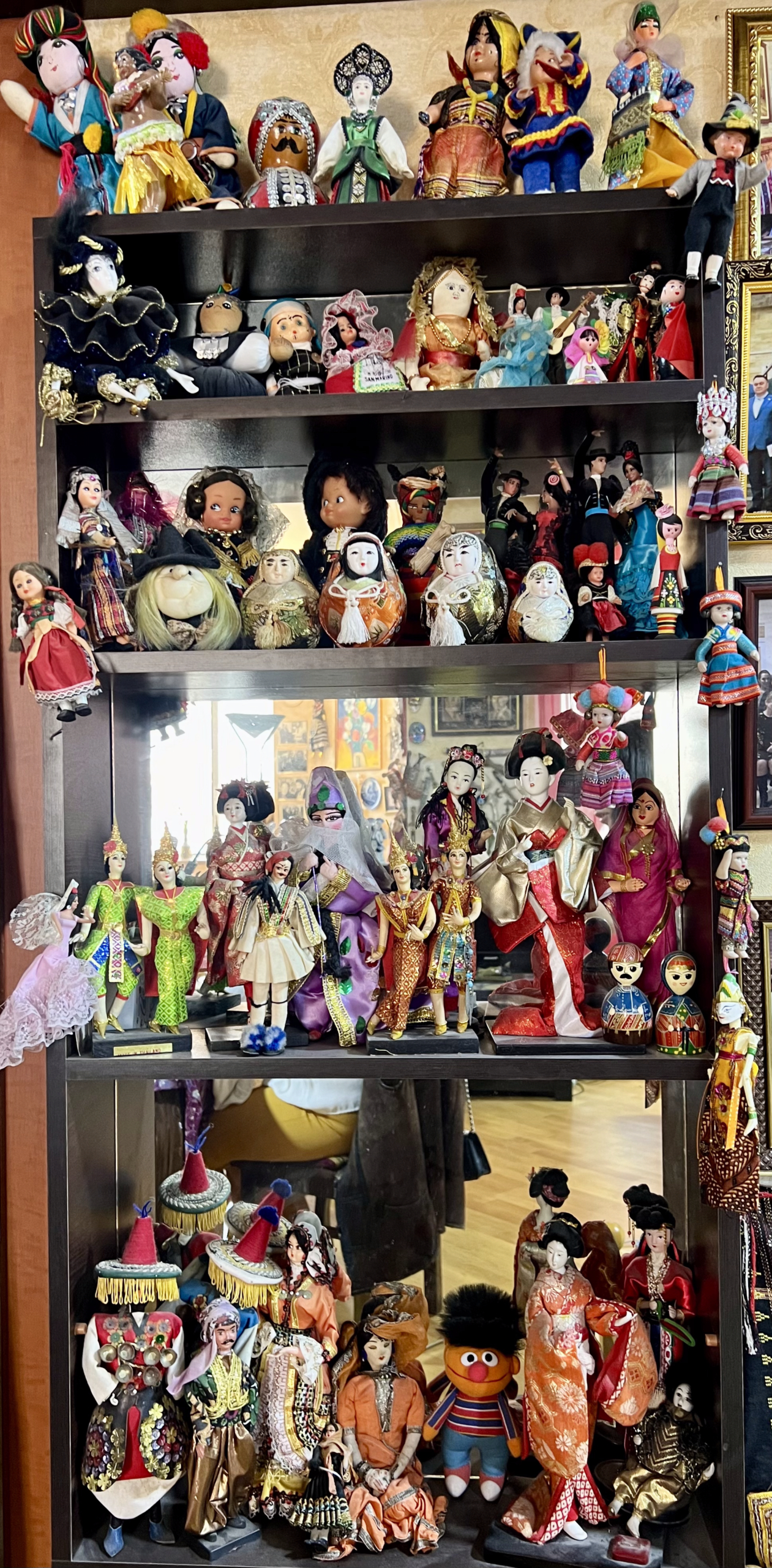
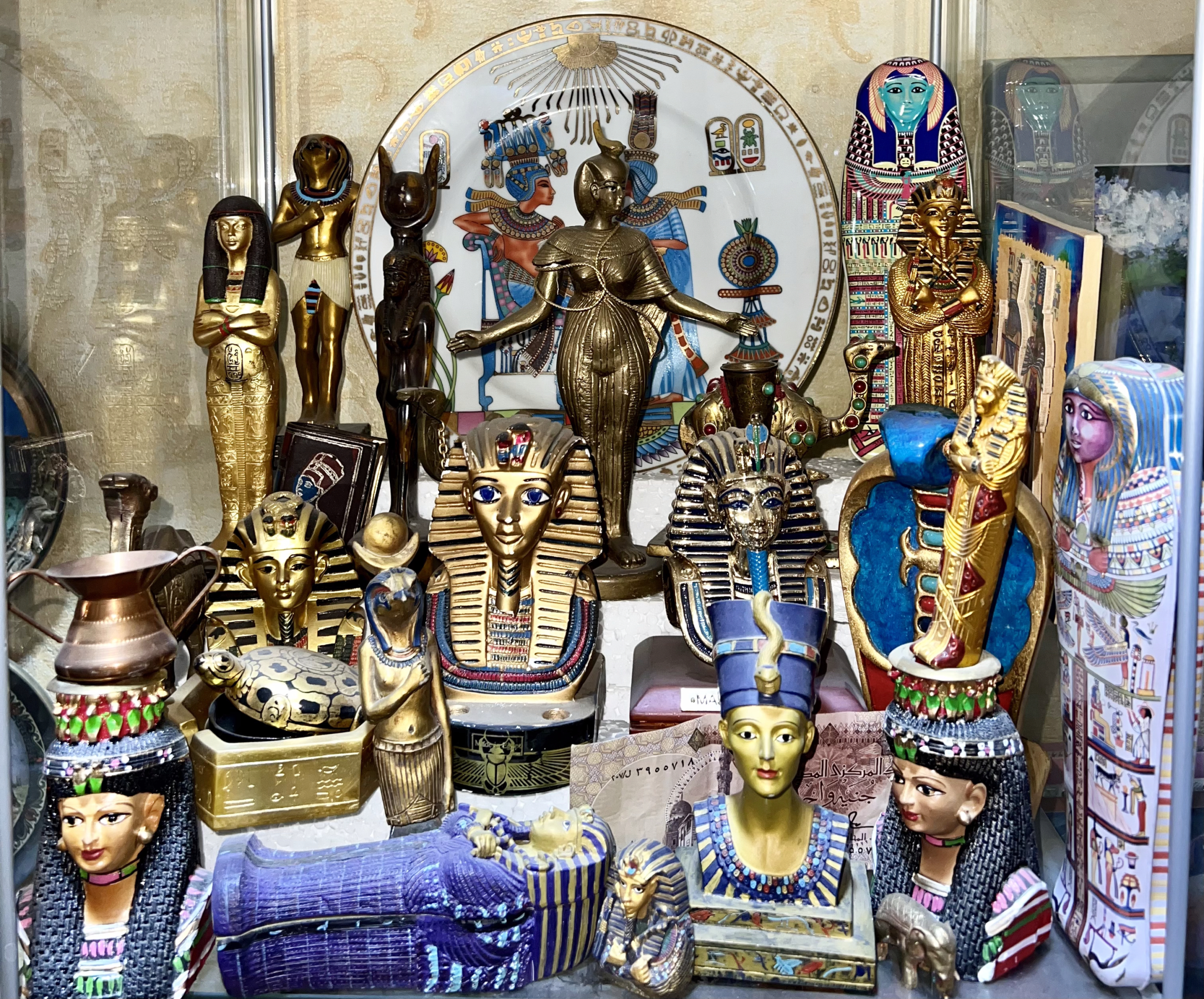
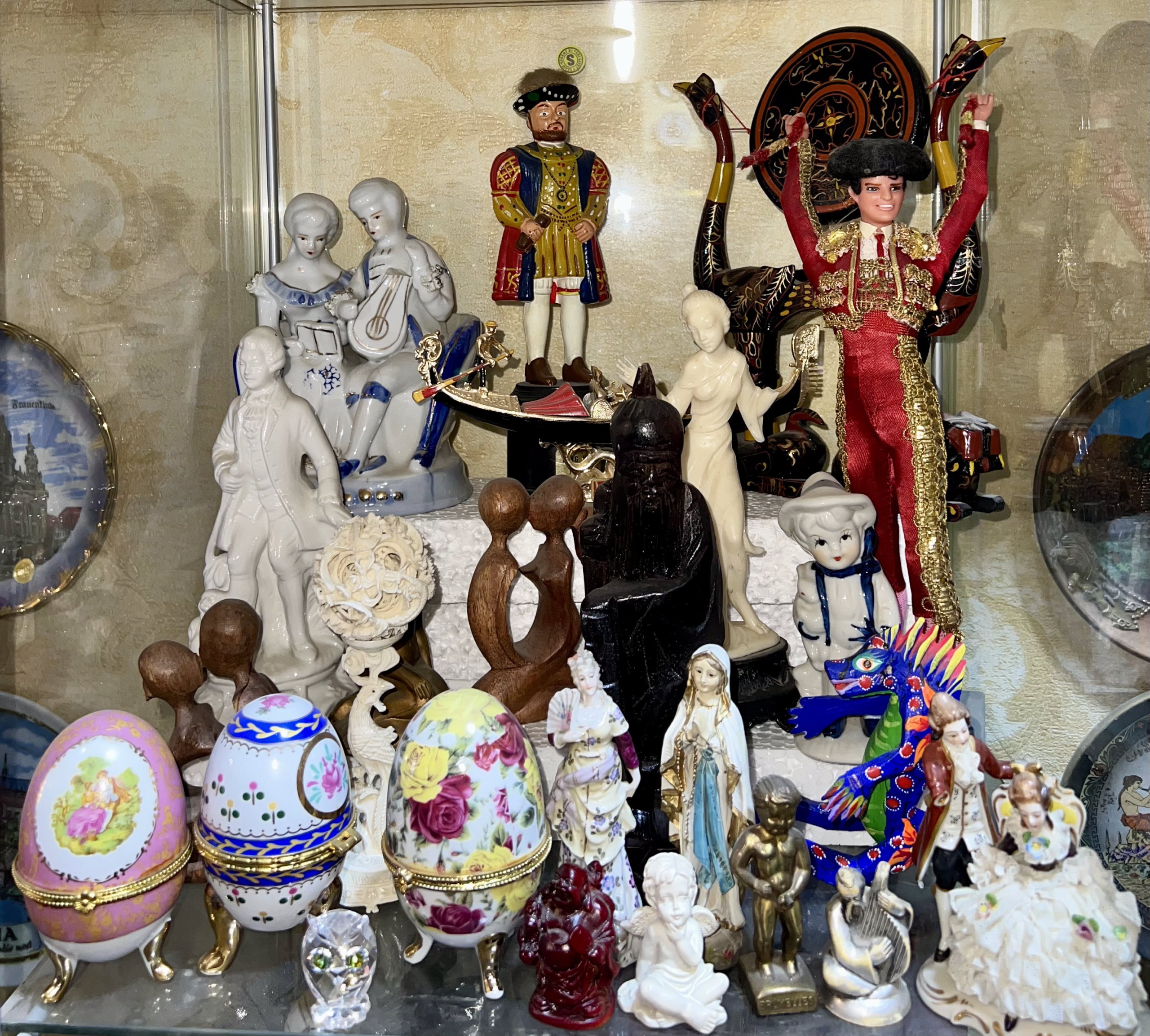
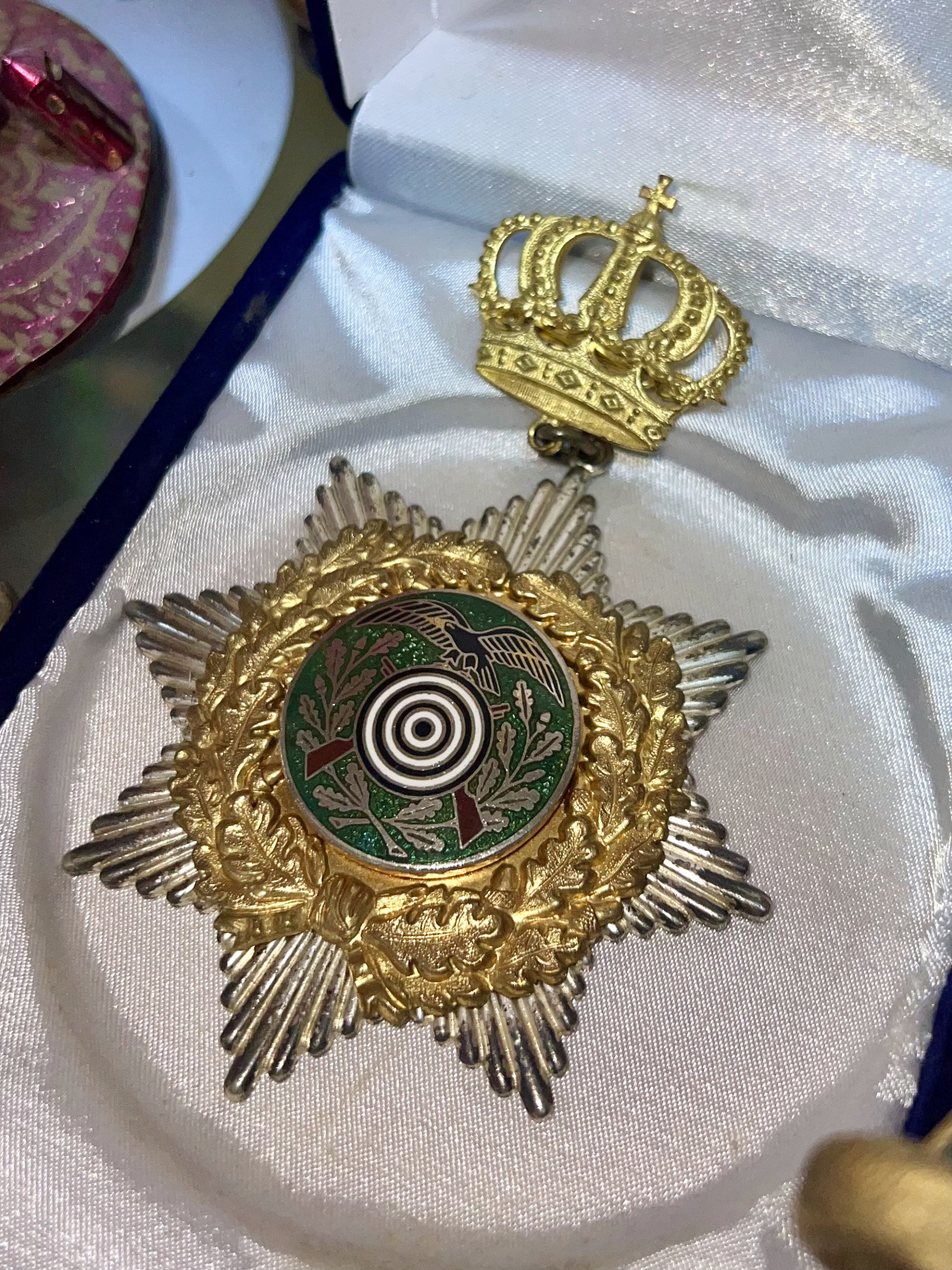
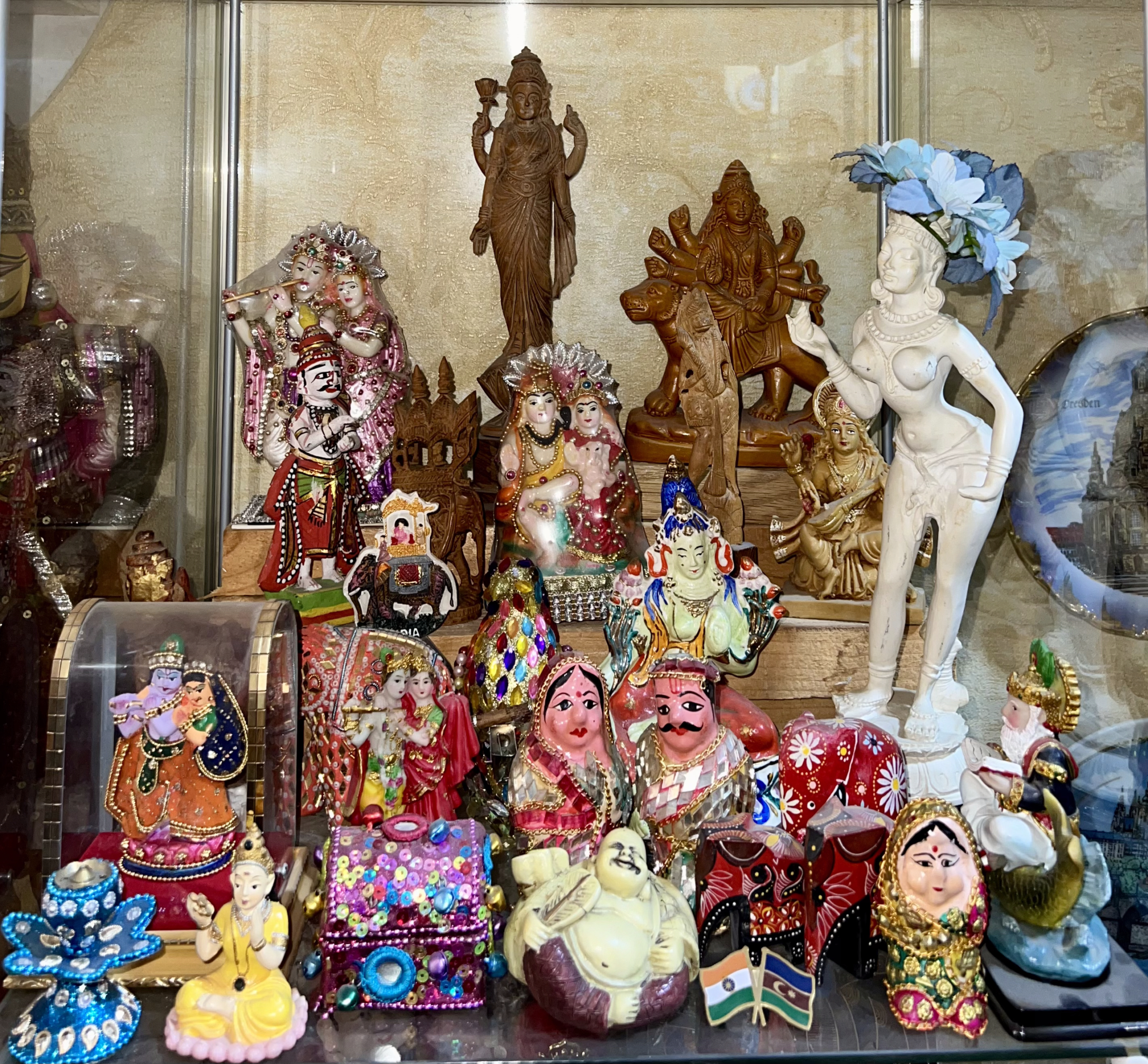
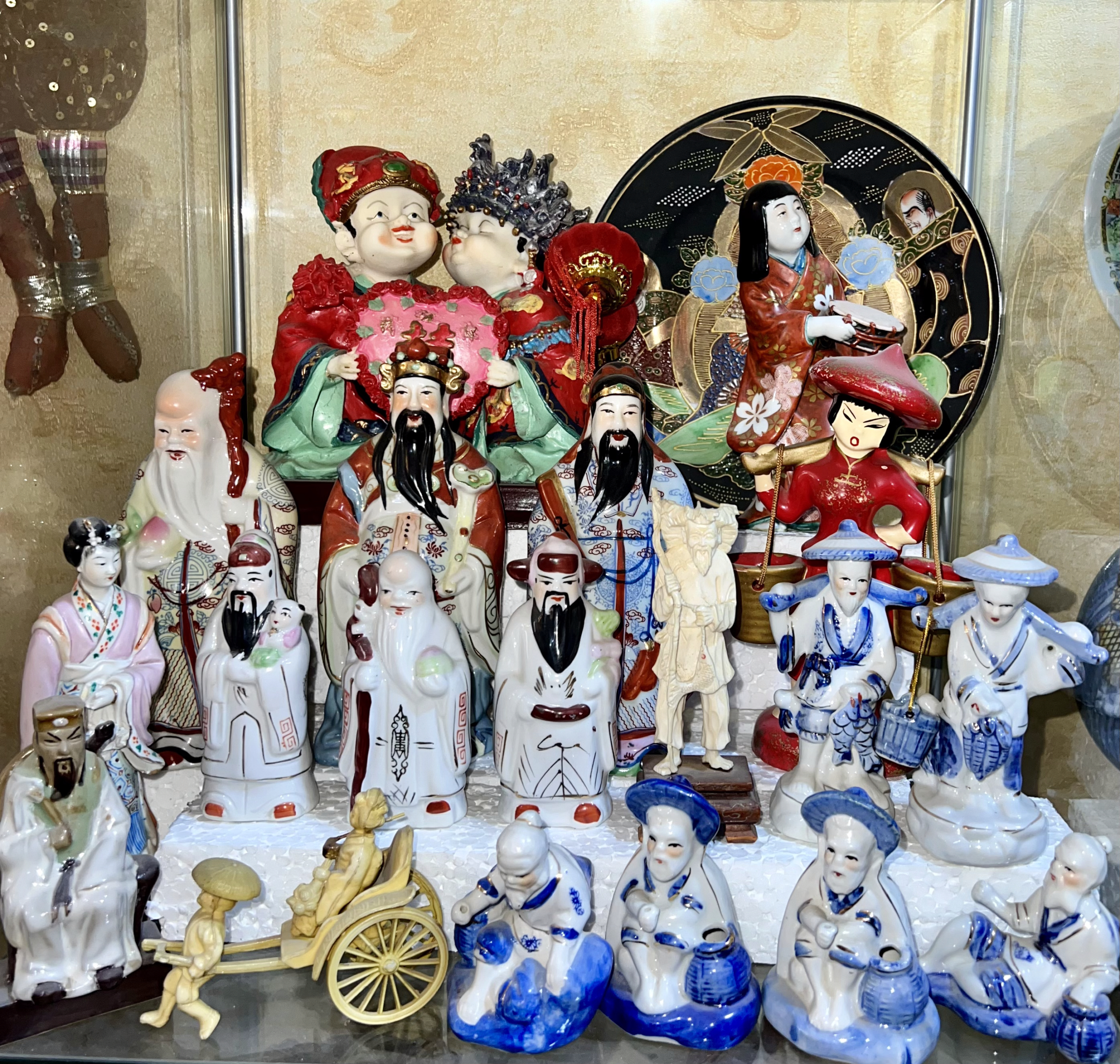
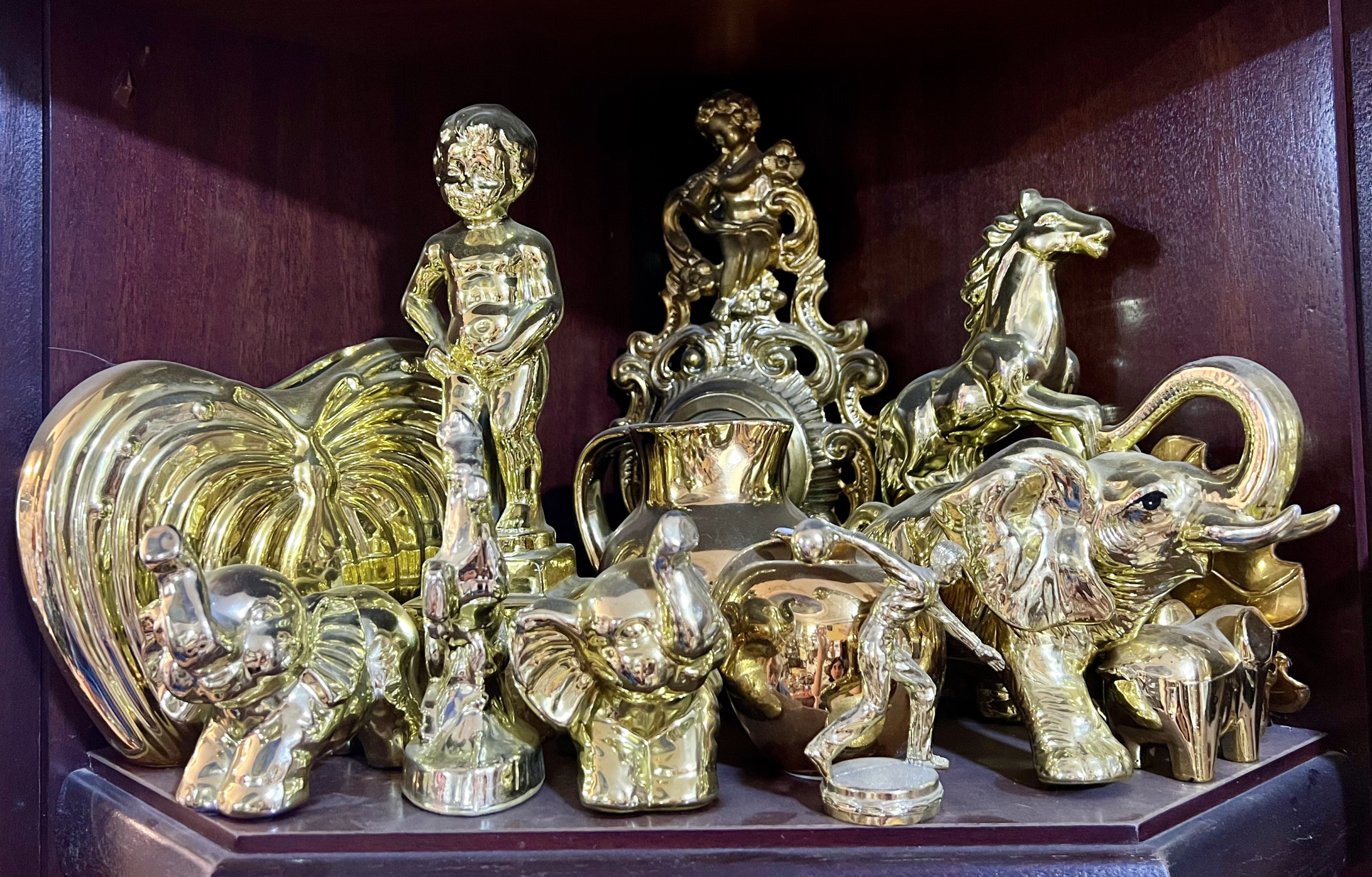
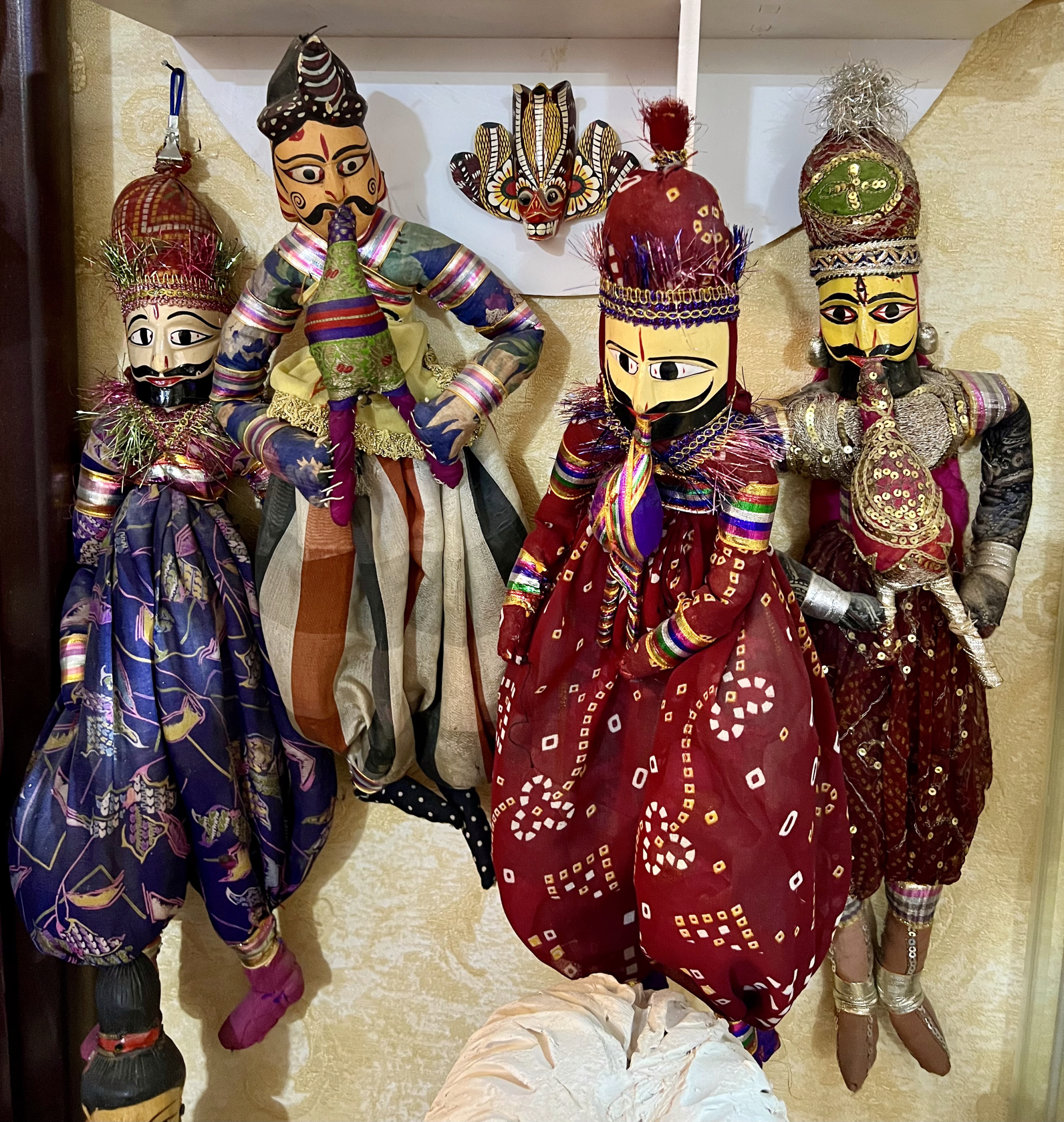
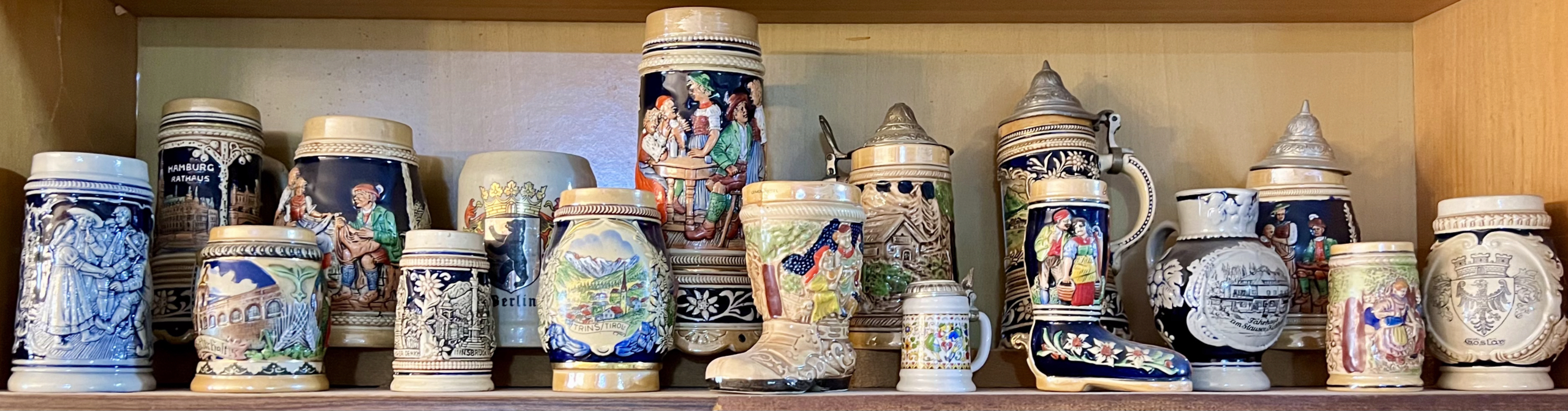
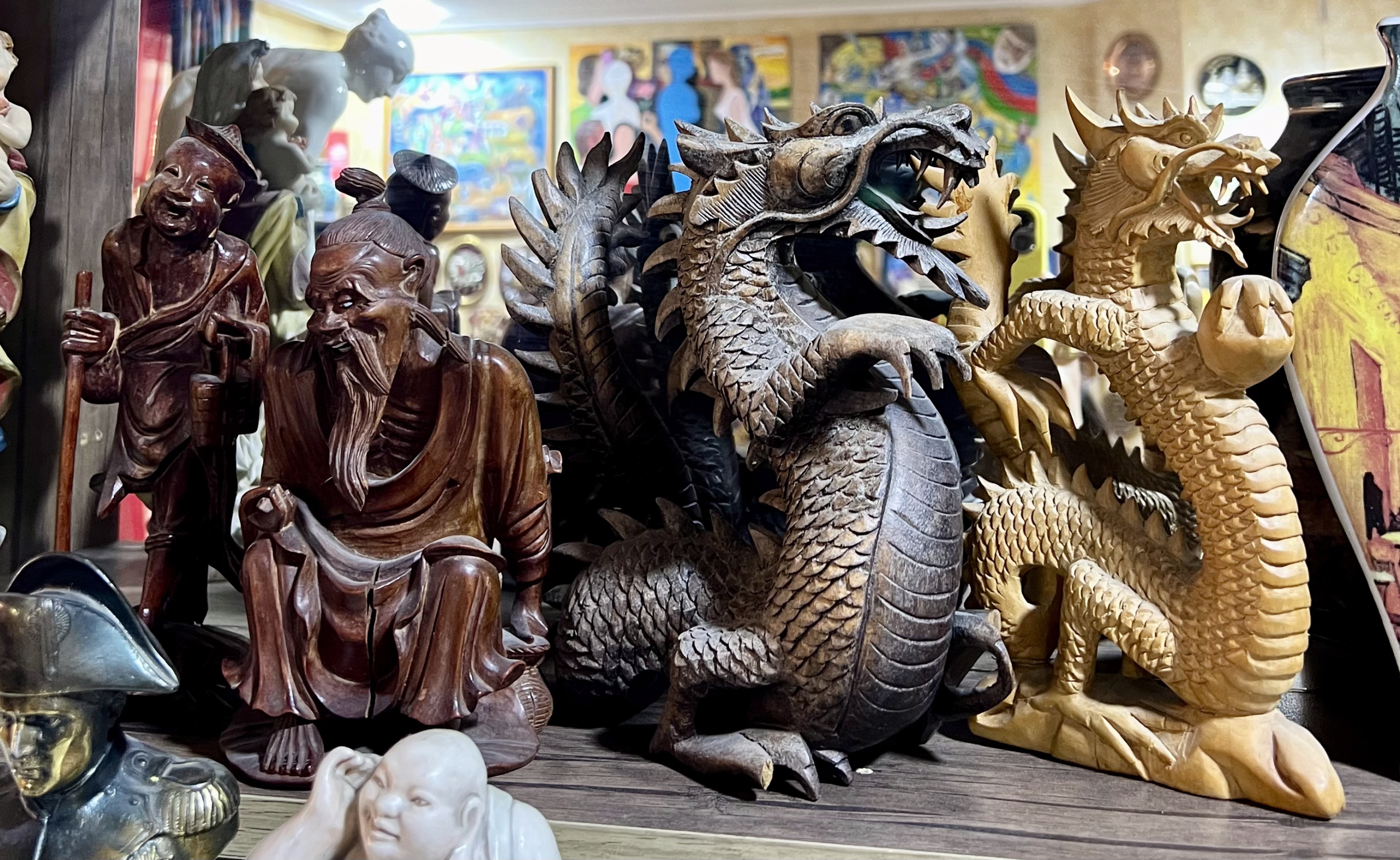
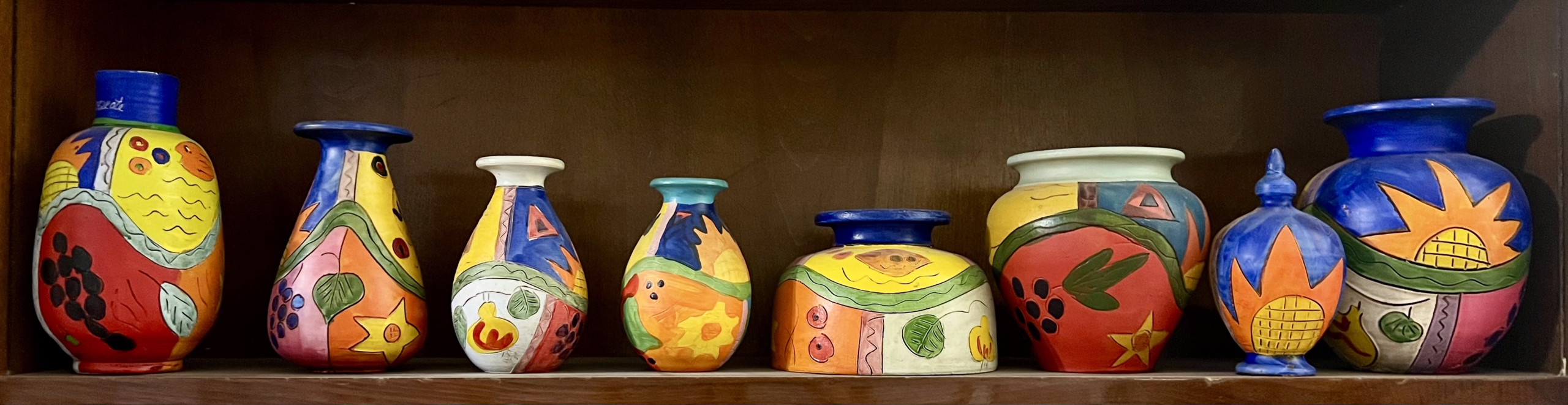
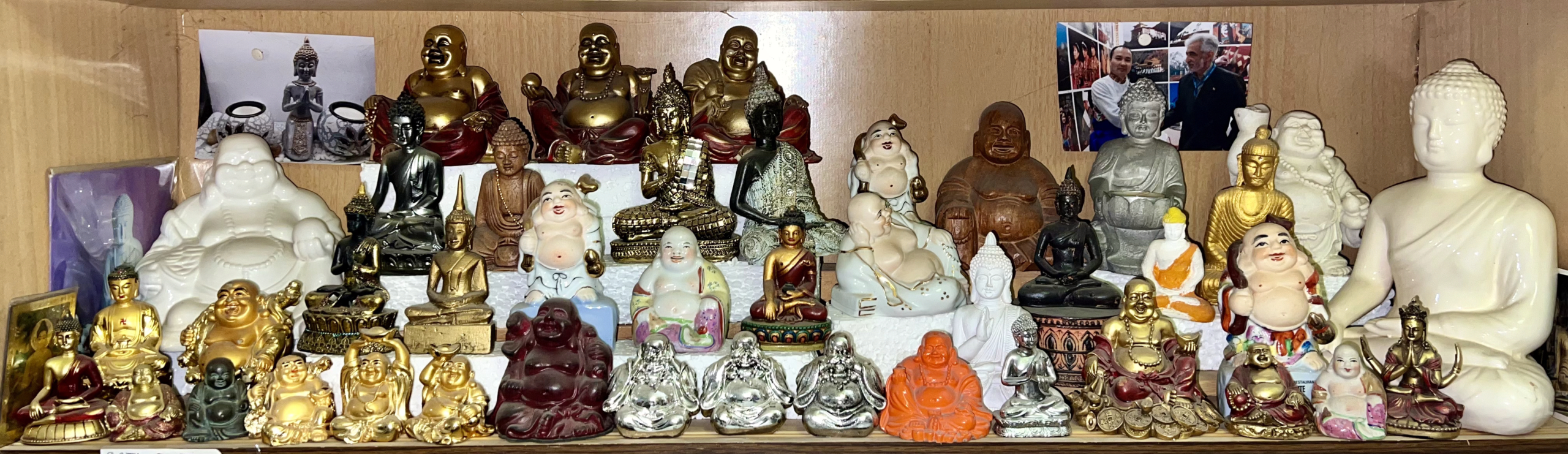
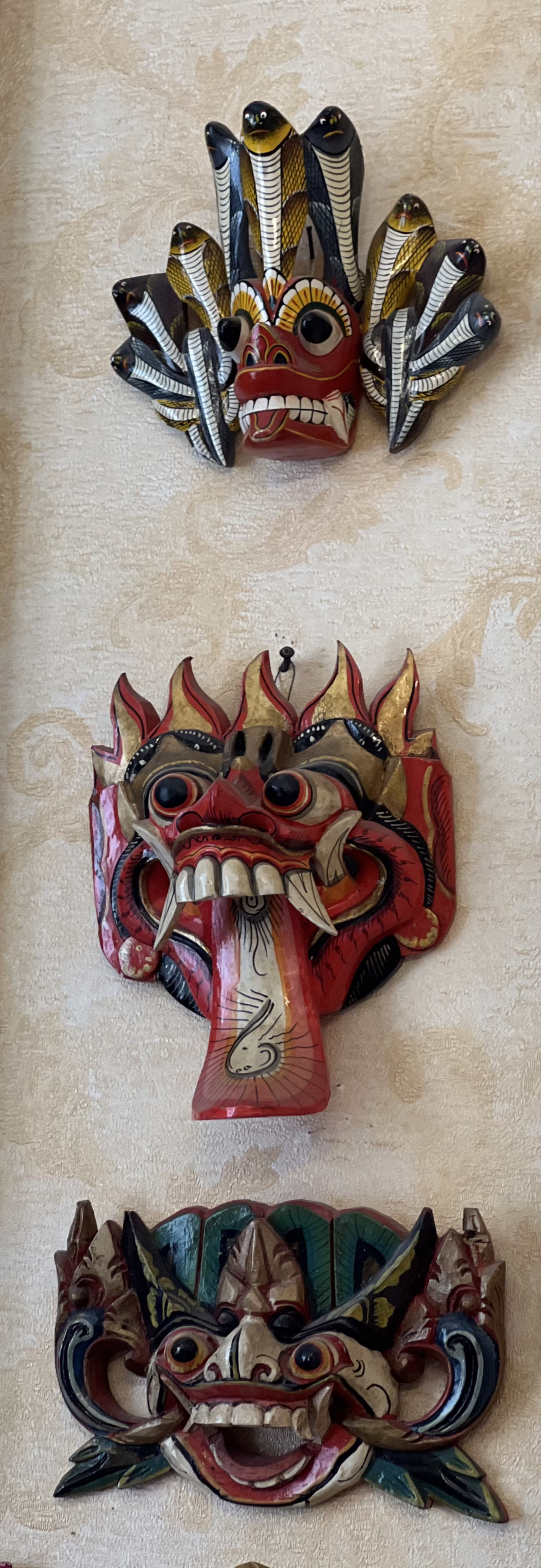
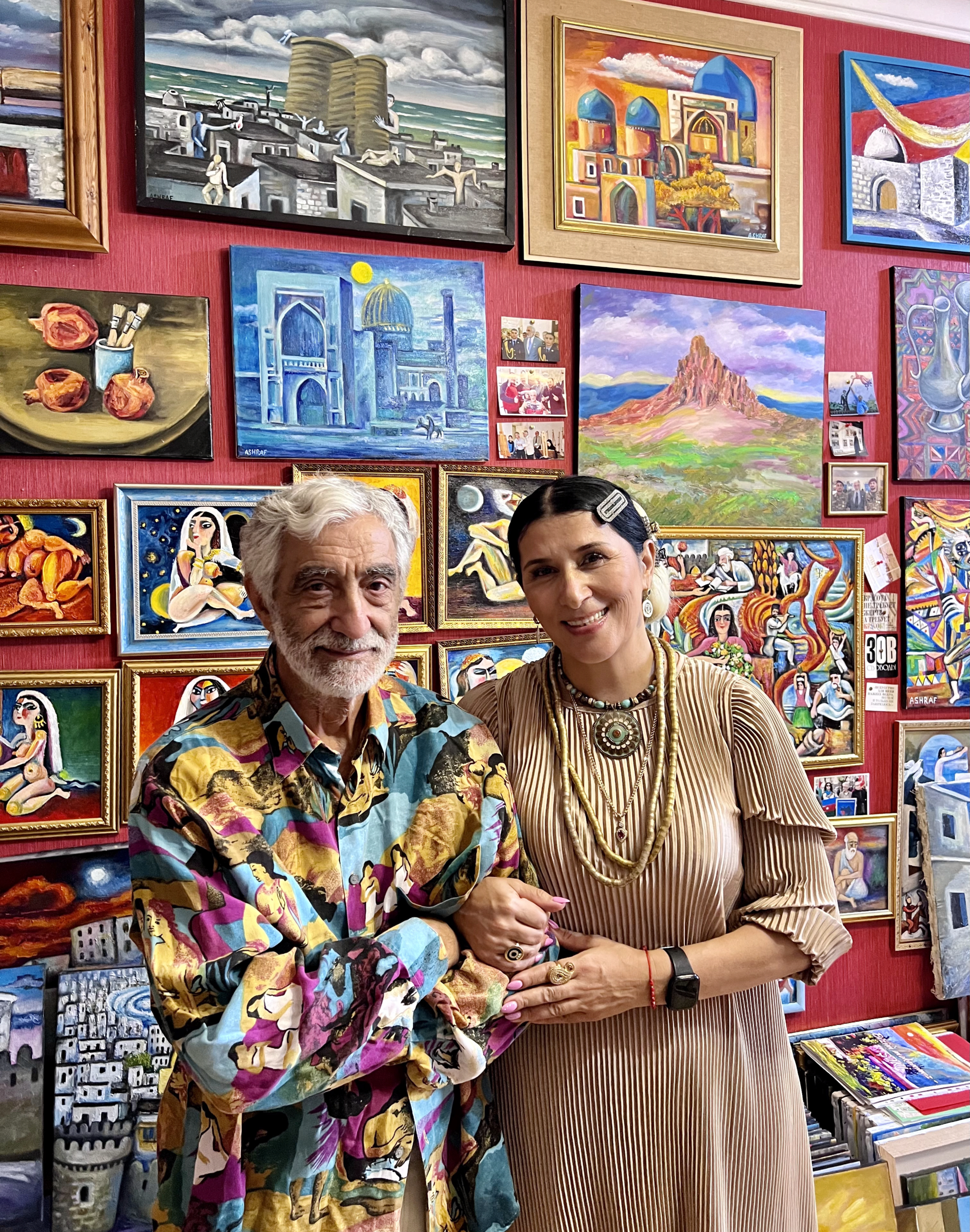
His own home in Baku has been transformed into a unique museum. Every visitor is greeted by a whole world: rare exhibits from all continents, collections of ceramics, porcelain, masks, dolls, oriental artifacts, and works of art, which, together with his paintings, create a unique encyclopedia of world culture. The artist himself dreams of donating this collection to the state, so that it could become the basis for the creation of the Museum of World Culture in Azerbaijan, a project without parallel in the country.
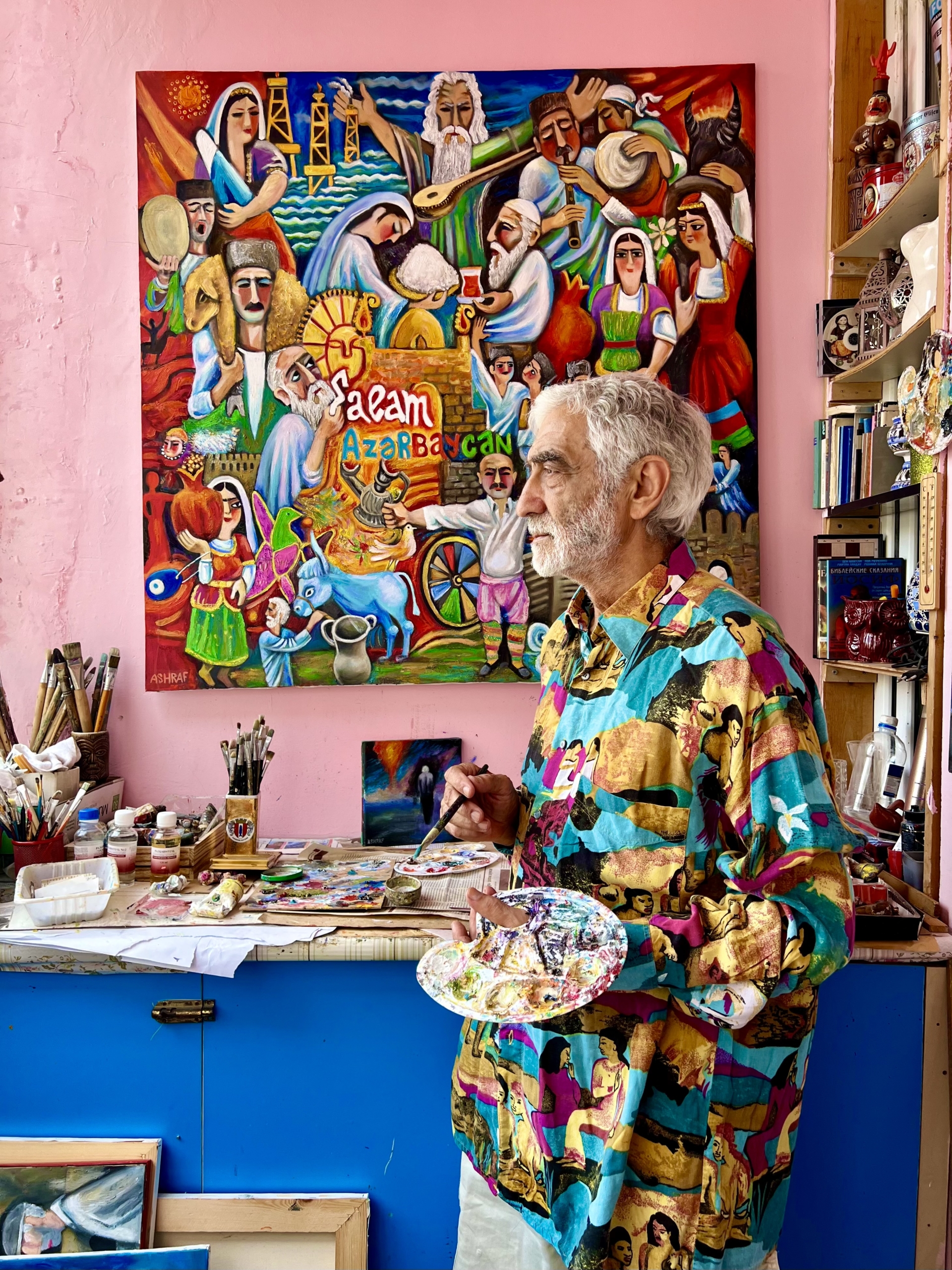
— Ashraf Muallim, welcome to Global Art Magazine! Thank you for your hospitality and the opportunity to experience this unique space, which combines a home, a studio, and a museum. Please tell us more about it.
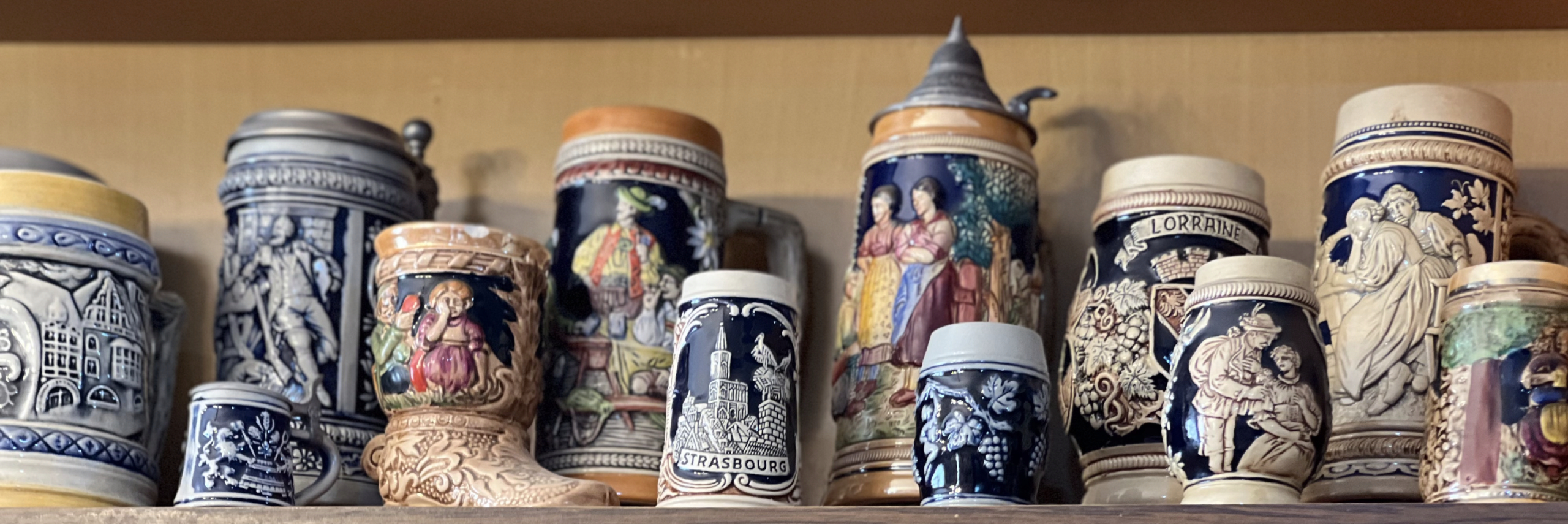
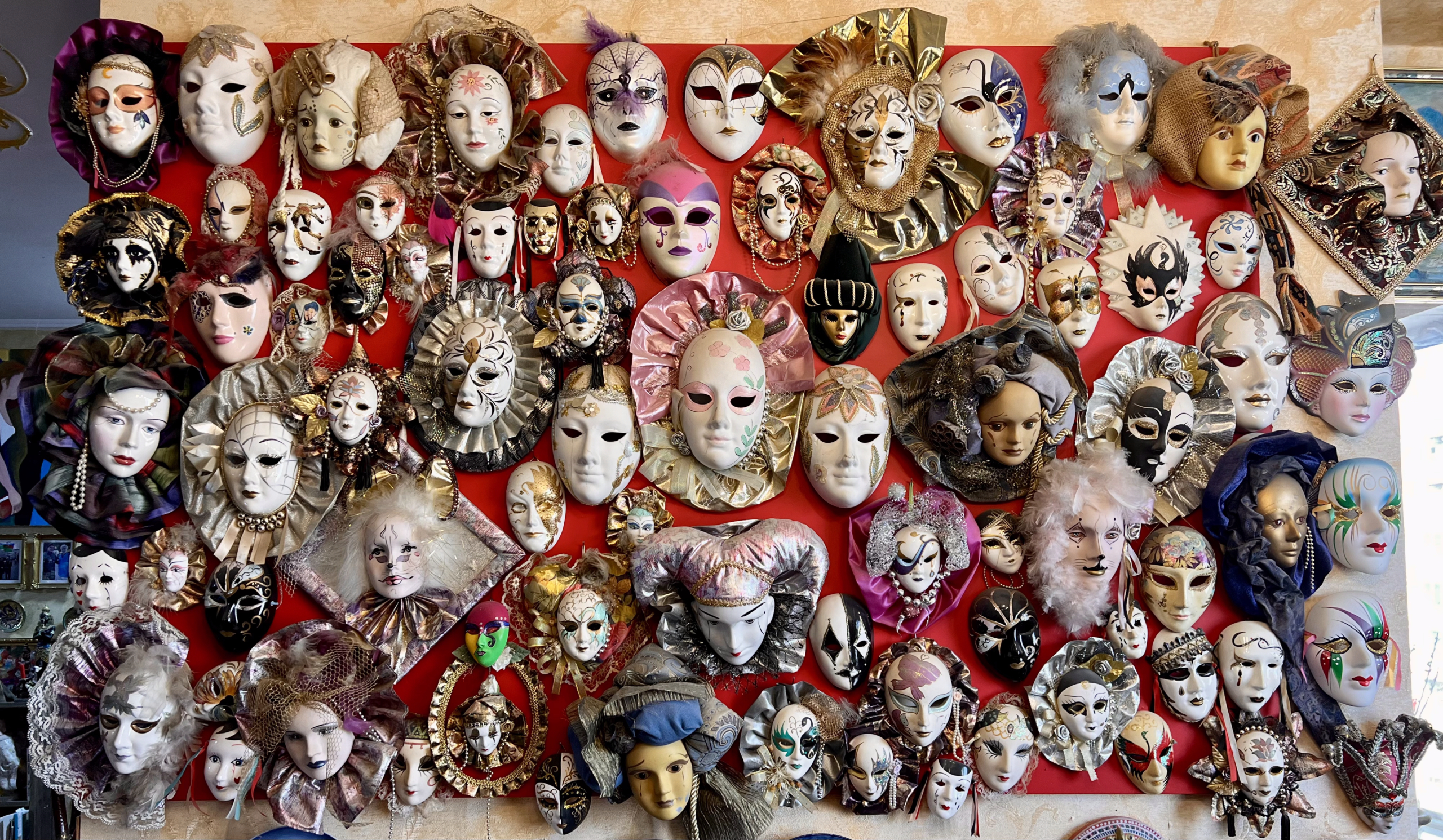
— I’m delighted to welcome you and all my readers. For me, this home is not only a place where I live and work, but also a cultural space where art and the memories of my travels come together. It features a large collection of my paintings in a wide variety of genres and styles, as well as a collection of unique exhibits from around the world. Today, I have 17 thematic collections: German ceramics and porcelain figurines, Catalan ceramics, Venetian masks, harlequin dolls from Italy, dolls from various countries, Buddha statues, objects from India and Egypt, Japanese and Chinese porcelain and figurines, oriental daggers, wall dishes from various countries, stained glass vases, African figurines, and antique oriental women’s shoes and dresses. And this is only a fraction of them—many more exhibits are stored in Berlin.
I strive to ensure that the collection continues to grow and delight not only me and my guests, but also Baku residents and tourists. There is no similar museum in Azerbaijan yet.
I recently met with representatives of the IcheriSheher Administration, and they expressed interest in the initiative to create a full-fledged Museum of World Culture based on my collections and paintings. I believe that over time, this project will be realized and will become a significant part of Azerbaijan’s cultural landscape.
— Ashraf muallim, please tell us about your vision of yourself in art and your creative self.
— I try to remain humble, and I sincerely strive for this. For me, the most important things are hard work and continuous creativity. Work, work, and more work: this is how I see my path.
The distinguished writer Chingiz Aitmatov once wrote about me that my art is at the crossroads of East and West, in a space of dialogue between two cultures. This is a special honor for me. I am happy that art historians I respect, such as Kaminsky, Yablonskaya, and Dilara Vahabova, have written about me. Their assessments are very precious to me, because they saw in my work what I have always strived for: harmony, openness to the world, and a dialogue between cultures.
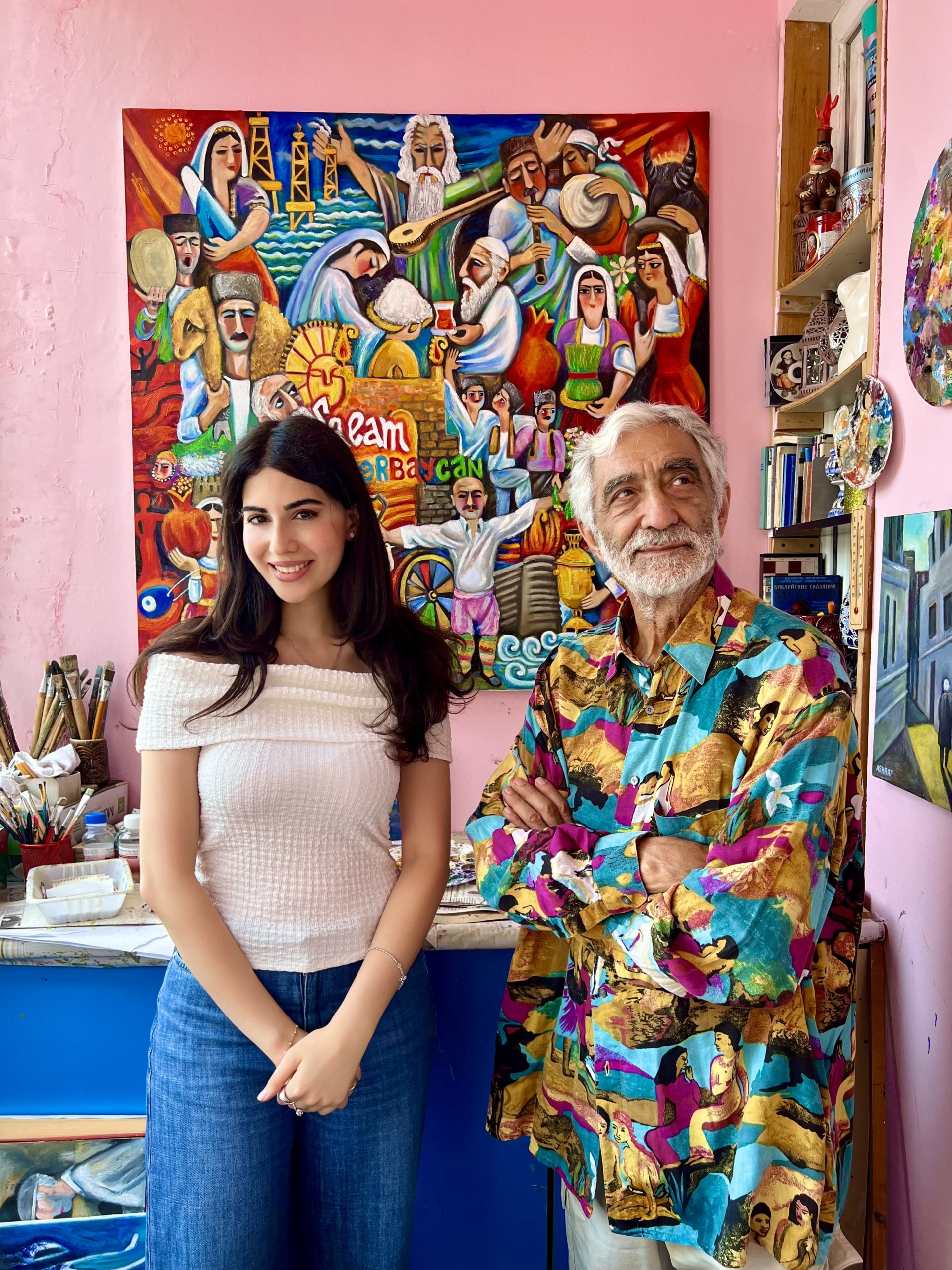
— What inspired you to choose the path of art in your youth, to become an artist, and dedicate your life to it?
— It’s interesting that I didn’t start drawing that early. As a child, I was more interested in books and sports. I even seriously considered a career in sports. But in our house, there were many art albums and books that influenced my worldview. My first encounter with art came through churches, monasteries, and church paintings. Images of prophets, apostles, and saints. I often looked at them and thought, “Could I draw as well?” So, at 13 or 14, I began copying saints from albums, and that was the starting point.
Over time, I realized that art was becoming a part of my life. When I entered art school, already in my first years, I realized what a serious and at the same time noble burden I had chosen. At first, I was plagued by thoughts that I’d never become Michelangelo or Leonardo, but my passion for art history was so strong that it gave me confidence in my own path. Our professor, the renowned art historian Pasha Hajiyev, called me a “walking encyclopedia” because I answered all his questions with ease. Initially, I even prepared to apply to Moscow State University for the Art History Department of the History Faculty.
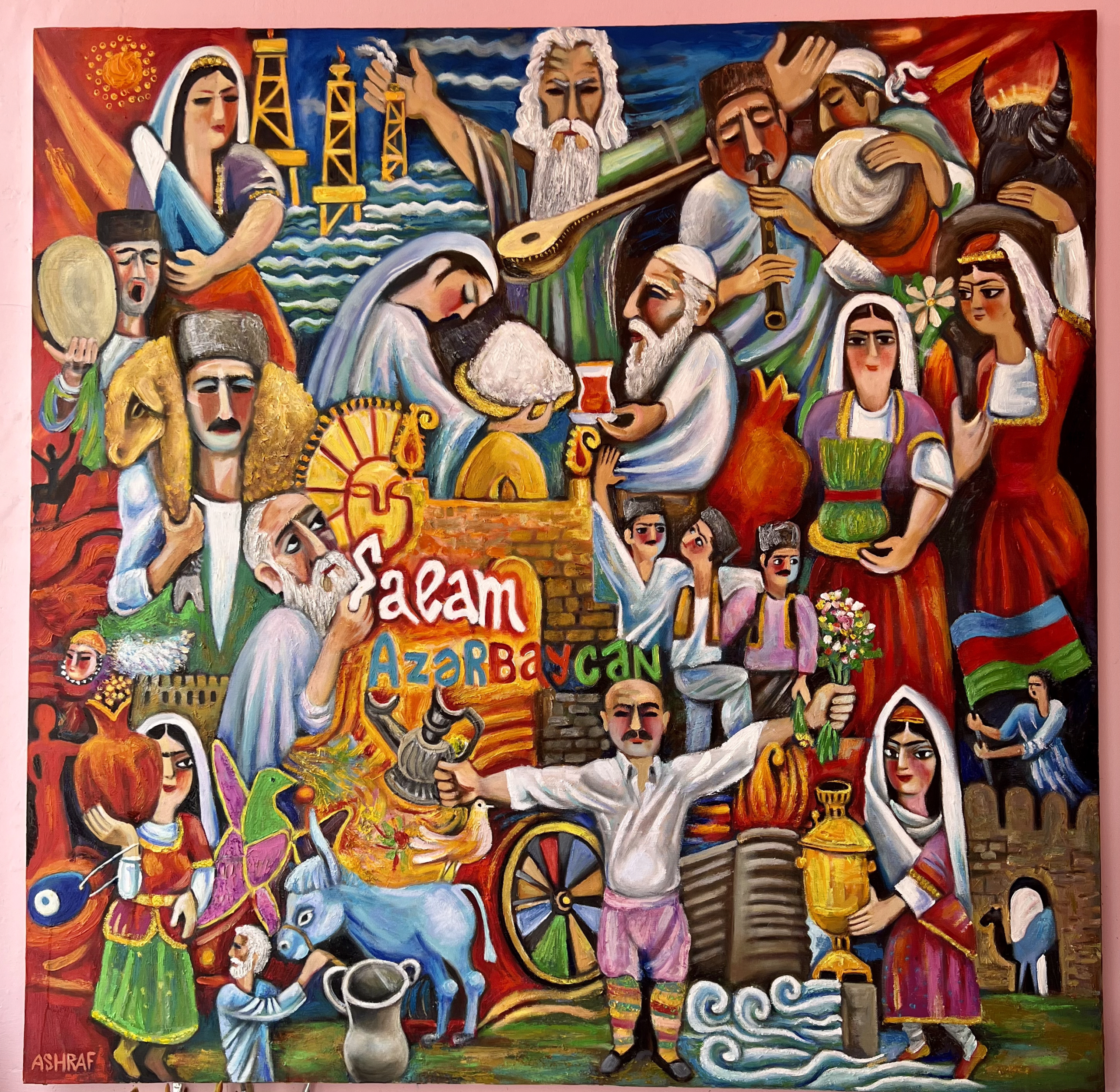
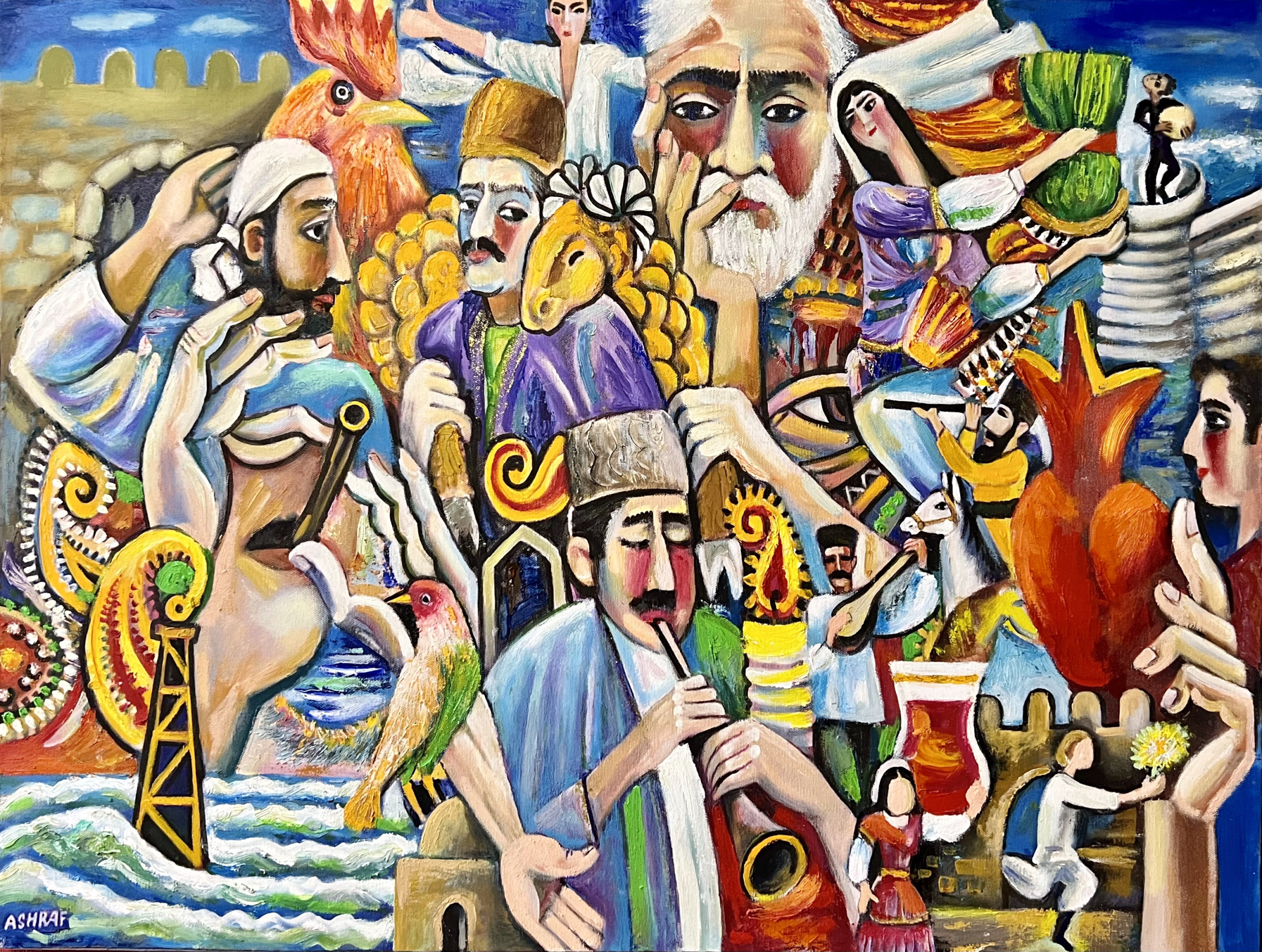
— How do you see art today?
— Frankly, I view this with a certain trepidation. Art, I think, has become more accessible, which is wonderful on the one hand, but on the other, it has led to a certain degradation of the profession. In Soviet times, the opening of an exhibition was perceived almost like a family celebration—we prepared, we were excited, we felt the solemnity of the moment. Artists were considered part of the elite.
Today, unfortunately, we are seeing a trend away from tradition. Many young Azerbaijani artists are turning to abstractionism and conceptualism, bypassing the study of realism and nature. And the ability to work with nature is the foundation of craft. If you master craft, then you master art. Without it, any creativity risks remaining merely an exercise in snobbery rather than true art.
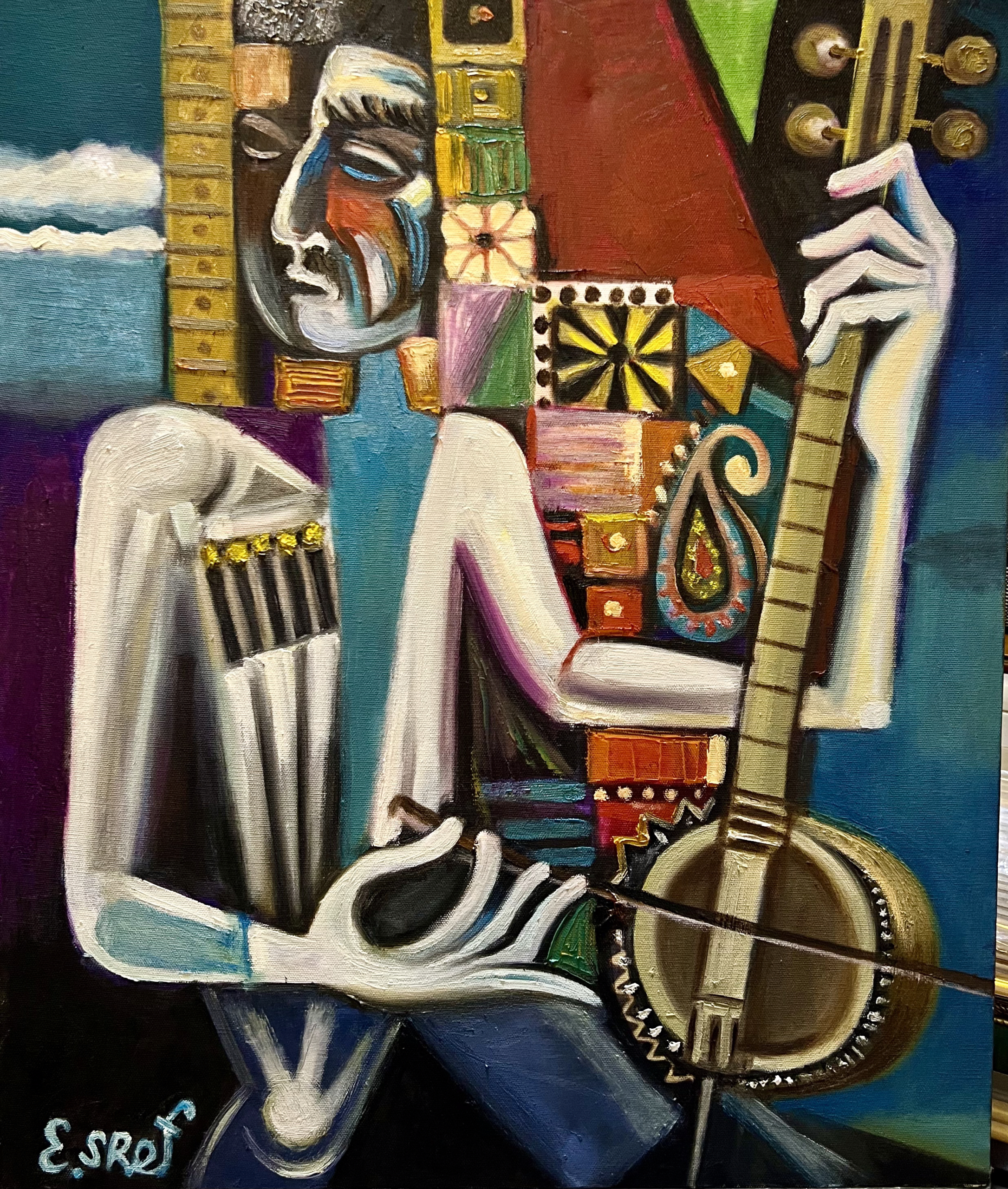
— Ashraf Mualim, what would you like to change in the art world?
— First of all, I’d like to see more professionalism and responsibility among those involved. This is work that requires discipline and respect for tradition.
— What challenges have you encountered along your creative path, and how did you overcome them?
— Actually, I still face these challenges. The main ones are indifference and lack of commitment. But I believe the most important thing is to remain faithful to your craft, work daily, improve, and resist influence. This is what allows you to remain a true artist, despite any difficulties.
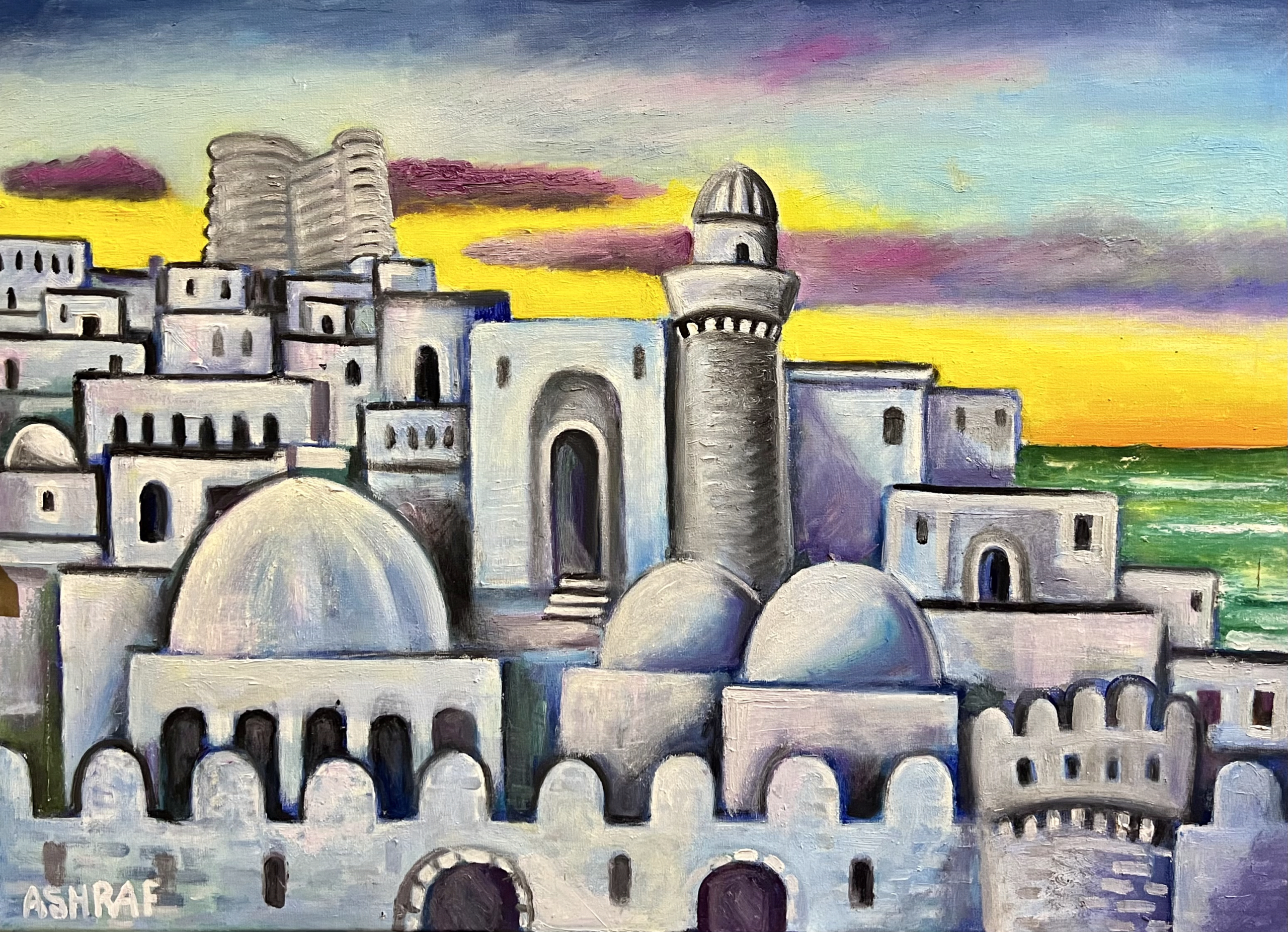
— What inspires you?
— I’m inspired by the nature, history, and culture of Azerbaijan. I spend a lot of time studying albums, listening to music, and reading about the history of our country. In recent years, I’ve been particularly drawn to the history of our people and our land before the 4th century, Christian Albania. This topic takes up a significant portion of my time: I read, reflect, and create new works based on this research.
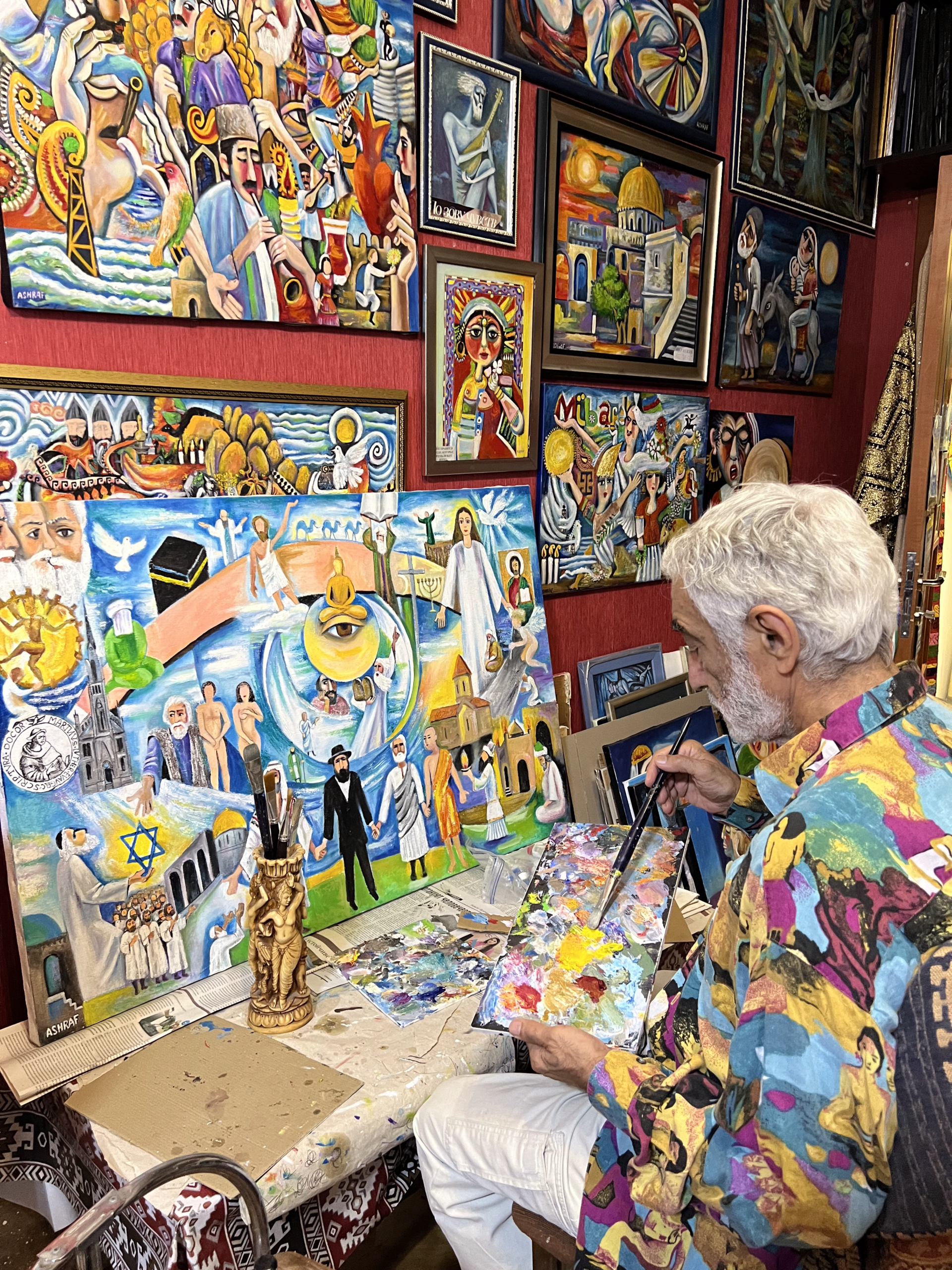
— What advice would you give to aspiring artists? What steps can help them establish themselves and promote their work?
— First of all, I recommend studying nature and completing a course in realistic drawing and painting. Once they reach this professional level and are guided by artistic fundamentals, the artist gains the ability to internalize what they draw, to see and convey the world through their own eyes.
I recommend young artists be inquisitive and educated: read both world and national literature, study the history of their country. Self-education is the key to professional and personal growth. And, of course, value your time: don’t waste it on meaningless entertainment; focus on developing your skills and creative thinking. Cherish your time. It’s the most valuable currency today.
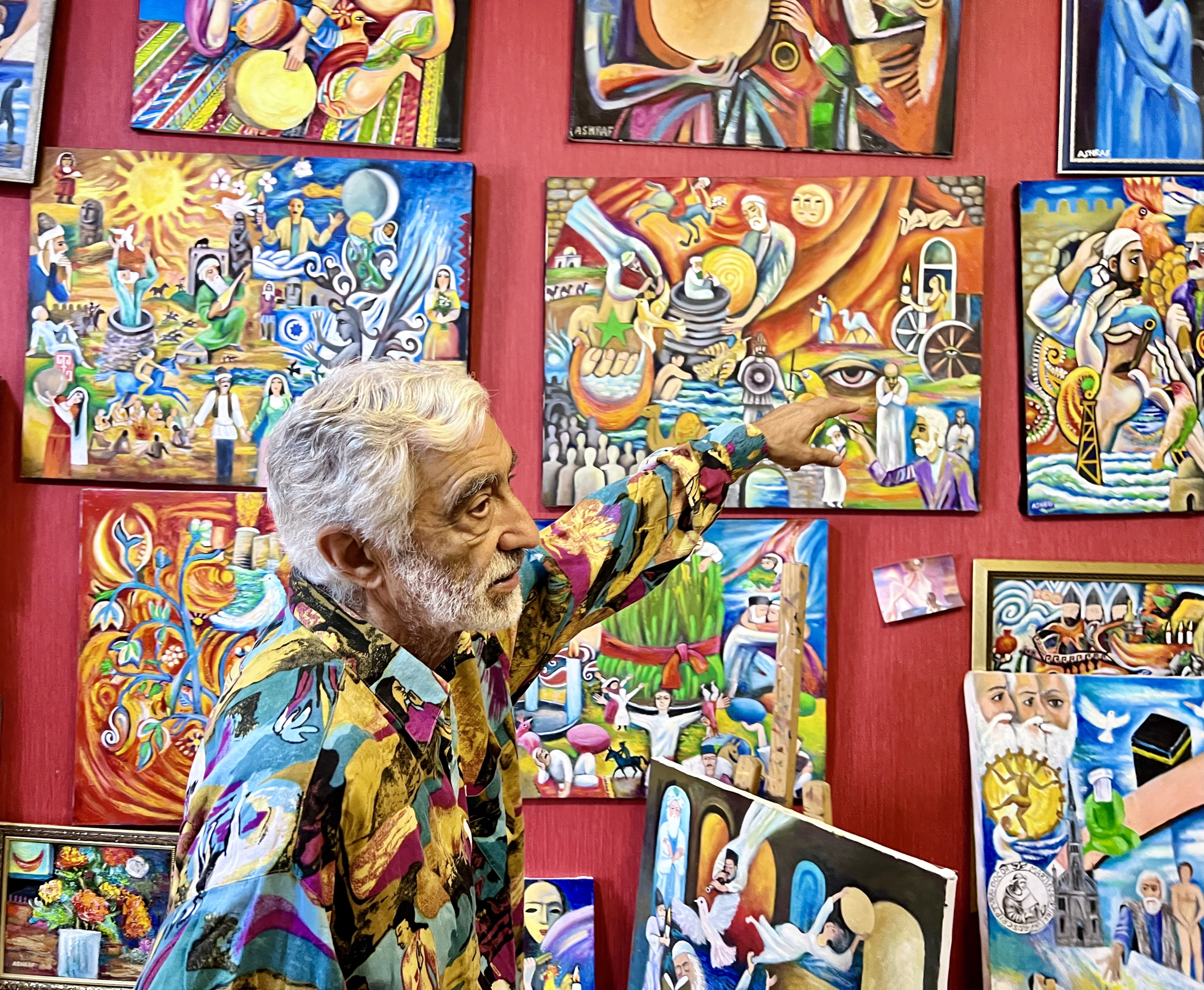
— How do you feel about selling your paintings? Do you sell them now?
— I have a positive attitude (smiles). But, honestly, I’ve always been more of a non-commercial artist. It’s hard for me to talk about sales, I’m just not used to selling paintings. I’ve given away many paintings in my life.
I remember my exhibition in Sumgait in 1987: the grand opening ceremony, the performance of ethnographic ensembles, television, newspapers—everything was top-notch. The next day, a friend asked me, “So, how did the exhibition go?” I told him about the guests, the event, the publications, and he asked, “What about sales?” And then I felt like I hadn’t sold anything… I was ashamed, but it didn’t dampen the joy of the process itself or the recognition of my work.
Today, my paintings can be purchased both in person at the house-museum and online, for example, through the Gallery by Art & Creativity Club platform. But for me, the most important thing is to share art, inspire people, see their emotions and interest in their native Azerbaijani culture.
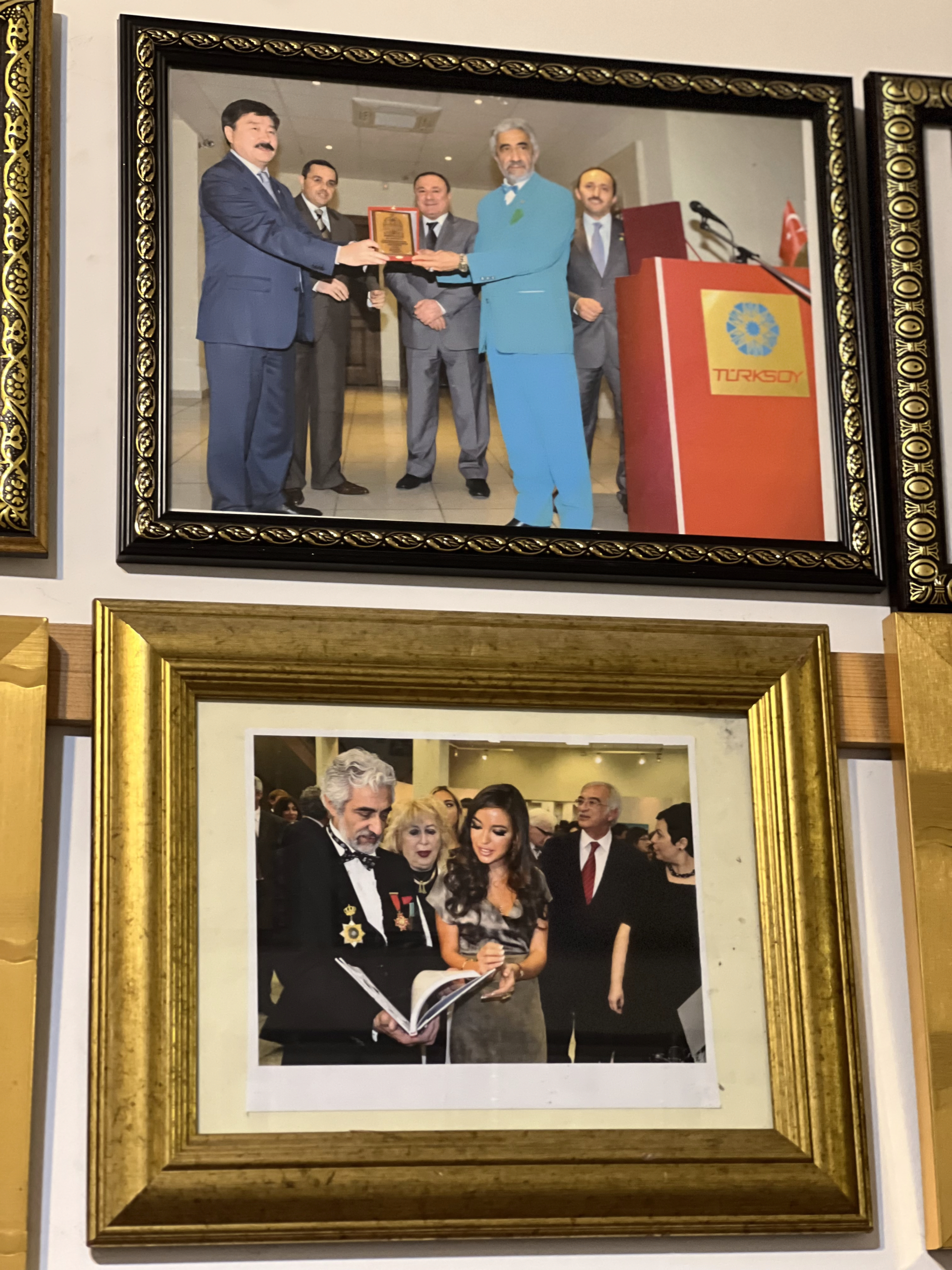
— Ashraf muallim, you are known for your work promoting Azerbaijani culture abroad. Please, tell us more about this.
— In 1998, during the first official visit of National Leader of Azerbaijan Heydar Aliyev to Germany, I had the honor of participating in a meeting of representatives of our diaspora with Heydar Aliyev at the German presidential residence.
Also present at this meeting was the renowned journalist Elmira Akhundova, who introduced me to Heydar Aliyev. After a short conversation, Heydar Aliyev said to me as we parted, “Don’t forget Azerbaijan.” I replied, “Yes!” (translated as “Yes!”). A year later, I founded the Society of Azerbaijanis in Germany, bringing together our compatriots from all over the country. Our ambassador, Huseyn-Agha Sadykov, attended the founding meeting, and we officially registered the organization. Within the framework of this society, I organized national events related to Azerbaijan. My mission is to promote Azerbaijani culture through my art and my works. It needs to be popularized abroad and attract the masses.
My exhibitions are always non-commercial in nature – they are most often held in international organizations and public spaces. At the exhibitions, I invite musicians and pianists and distribute brochures and books about our country.
For example, an exhibition was held at NATO headquarters in Brussels – a place where, one would think, art and such an organization would never have intersected. This was made possible thanks to the support of our then-NATO representative, Kamil Khasiev. Thus, through my art, I have always tried to contribute to strengthening cultural ties and introducing people to Azerbaijan on the international stage.
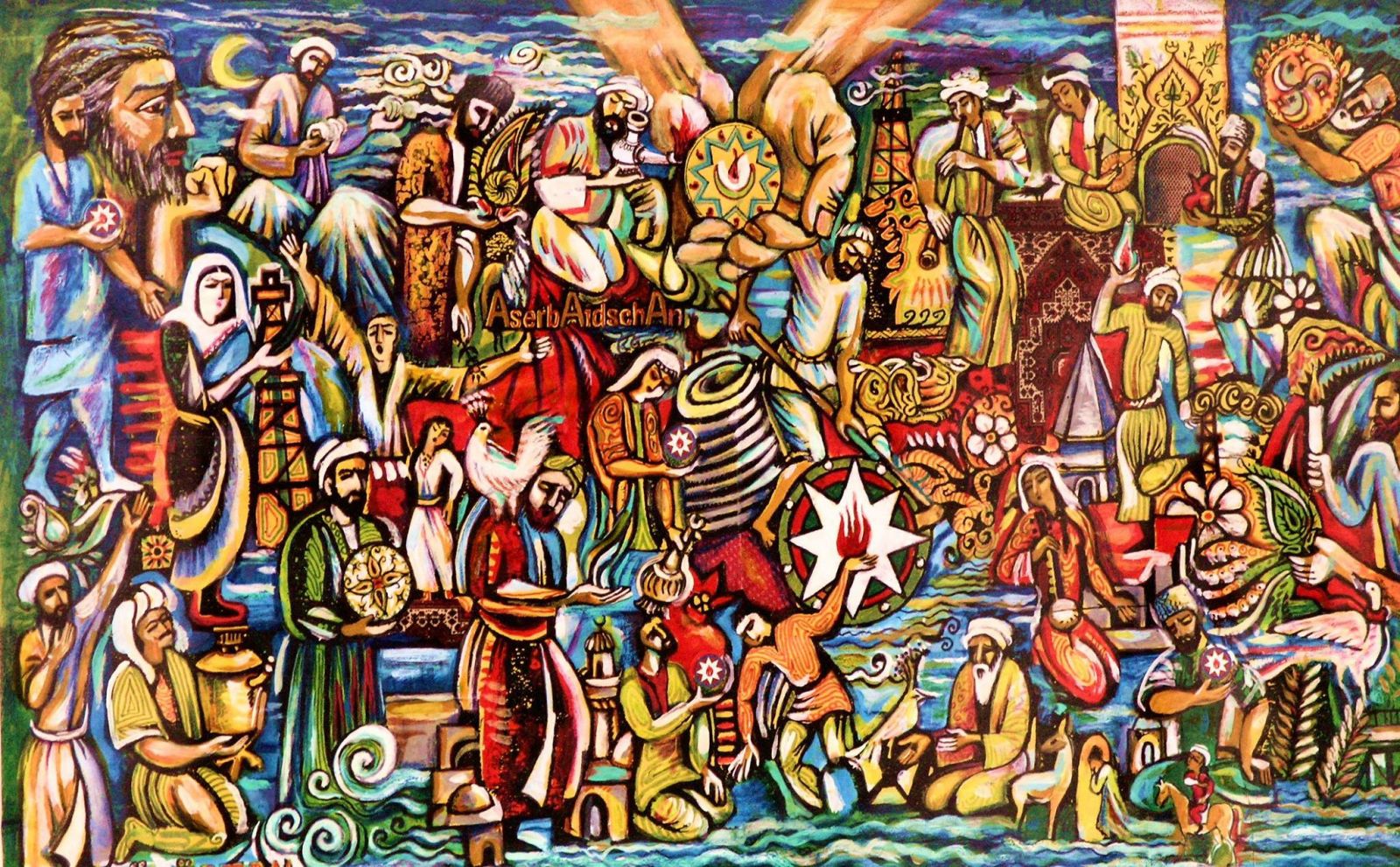
— Thank you so much for raising the Azerbaijani flag with such pride and love!
— Thank you! For me, this isn’t just an artist’s mission. It’s part of my life and my journey. Art should unite people and create bridges between cultures.
Interview conducted by Jamala Nakhchivani, Editor-in-Chief of Global Art Magazine.