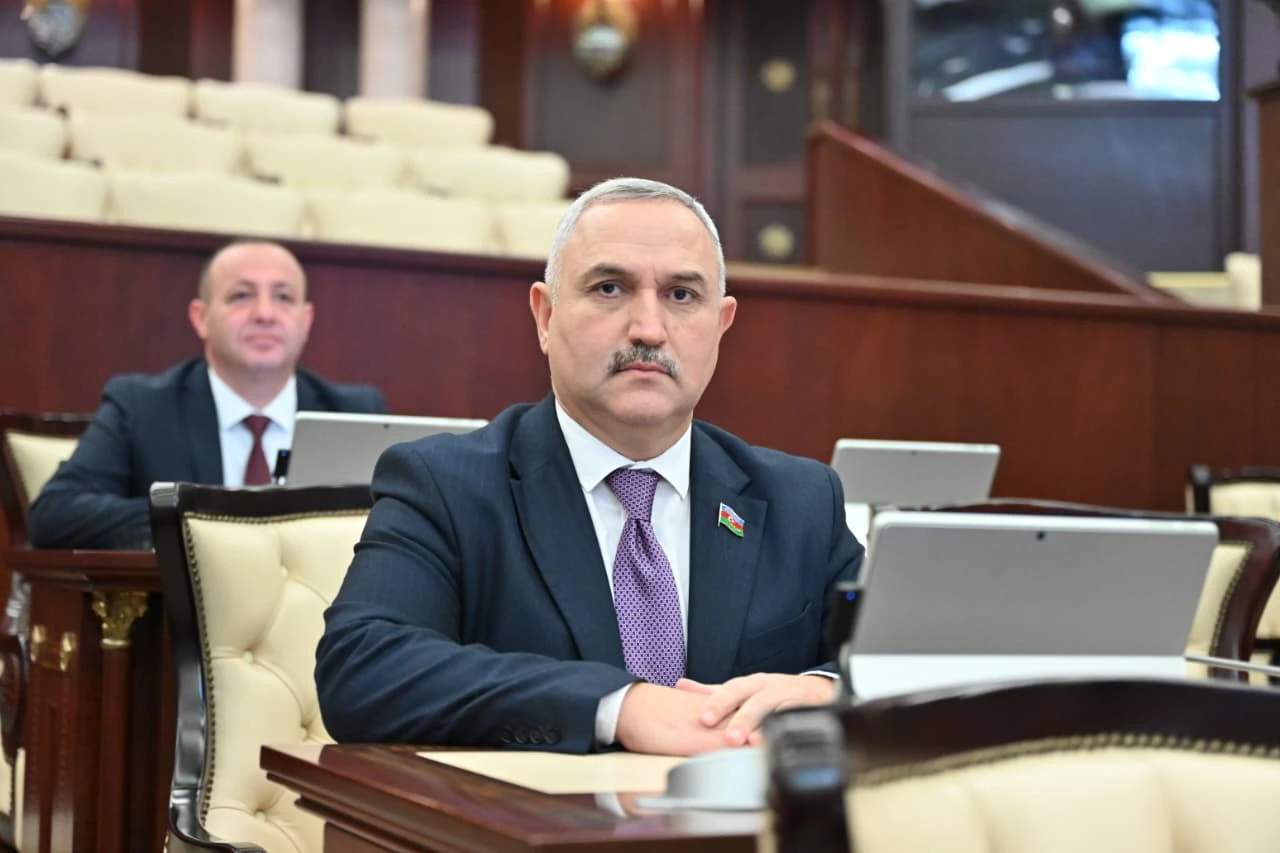
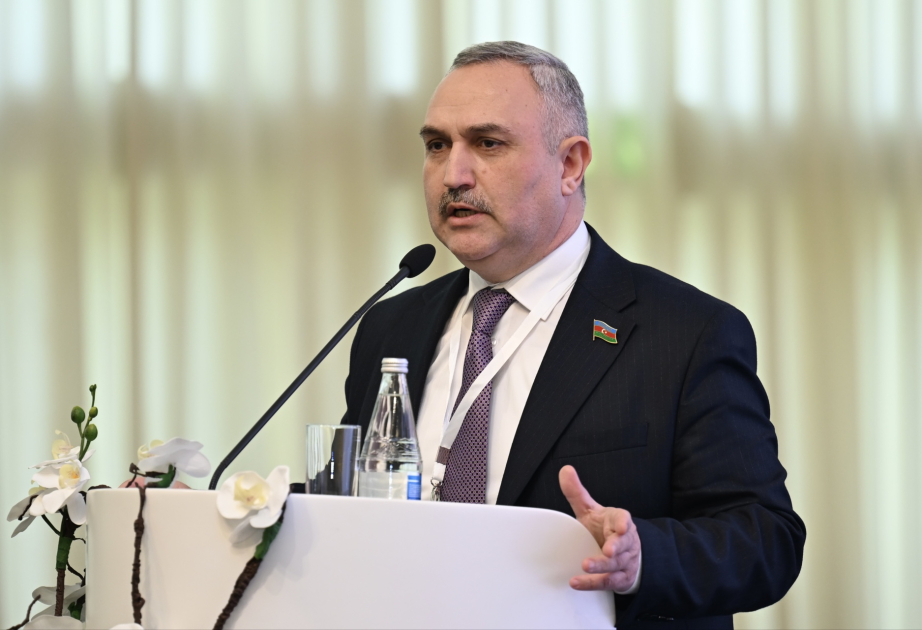
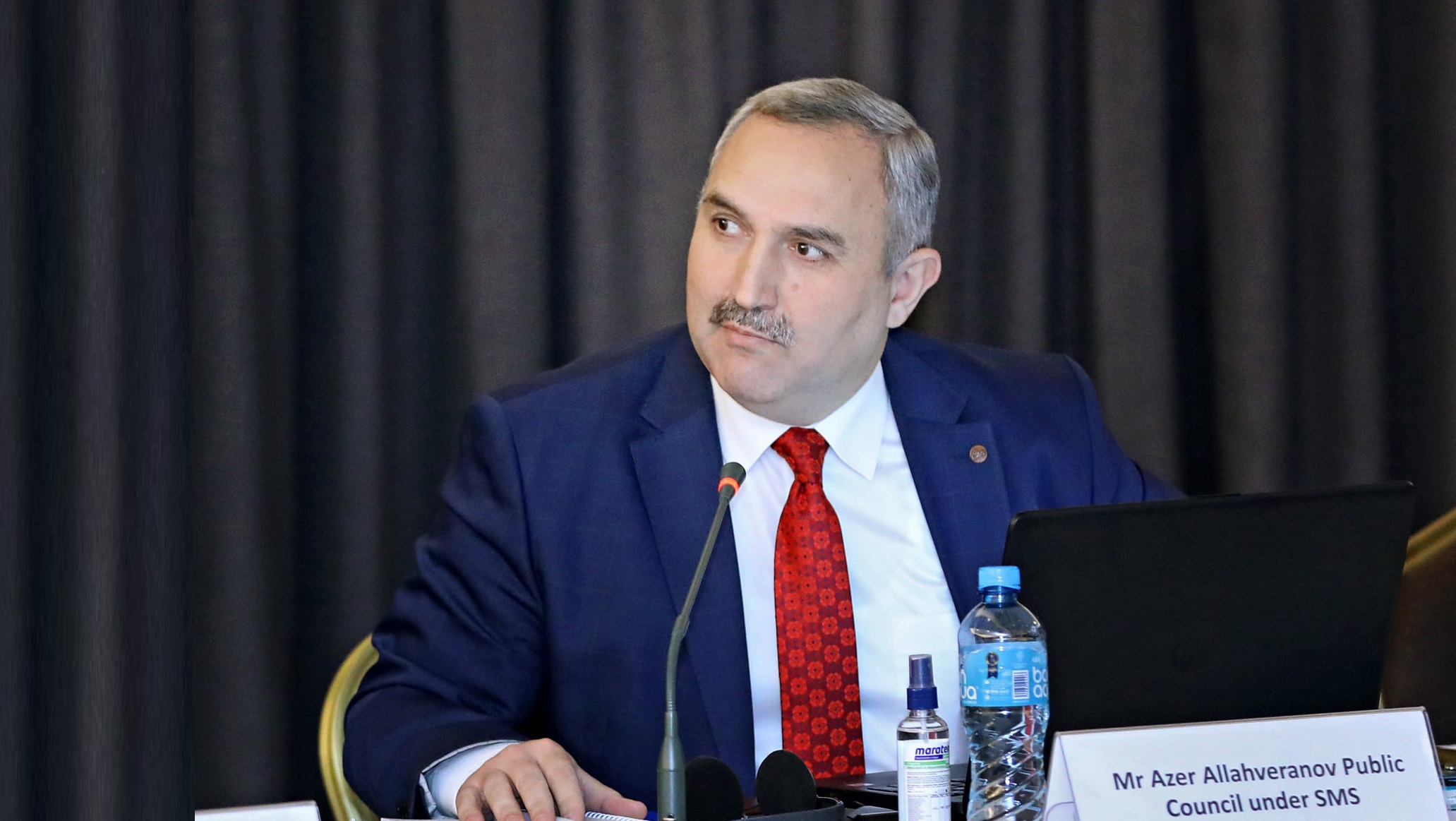
Milli Məclisin üzvü və Avrasiya Miqrasiya Təşəbbüsləri Platforması ictimai təşkilatının sədri Azər Allahverənov Global Art Jurnalının son qonağıdır.
Jurnalımıza verdiyi eksklüziv müsahibədə Azər Allahverənov beynəlxalq hüququn və təhsilin milli elmin və mənəvi dəyərlərin inkişafında rolu, süni intellekt dövrünün yeni çağırışları və yaradıcılığın insanların daxili harmoniyanı və ilhamı qorumasına necə kömək etdiyini və cəmiyyəti daha humanist etdiyini müzakirə etdi.
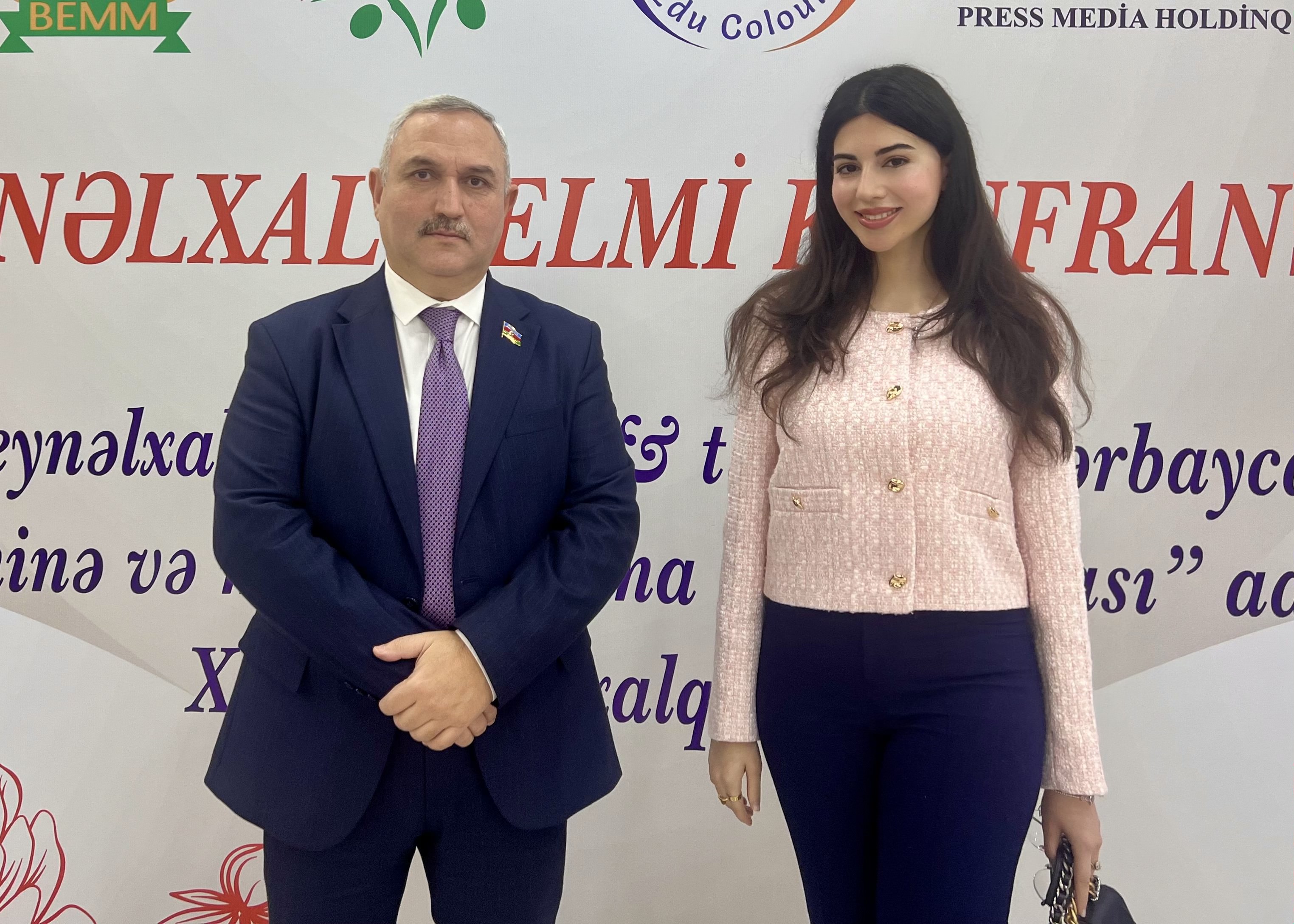
Azər Allahverənov və Cəmalə Naxçıvani, Global Art jurnalının baş redaktoru
– Salam, hörmətli Azər Allahverənov! Global Art Jurnalına xoş gəlmisiniz! Sizcə, beynəlxalq hüquq və təhsilin inteqrasiyası Azərbaycan elminin inkişafına və cəmiyyətimizin mənəvi dəyərlərinin möhkəmlənməsinə necə töhfə verir?
– Salam! Dəvət üçün təşəkkür edirik.
Bu gün dünya sürətlə dəyişir. Rəqəmsallaşmanın və süni intellektin gündəlik həyatın ayrılmaz hissəsinə çevrildiyi genişmiqyaslı texnoloji transformasiya dövründə yaşayırıq. Bu, şübhəsiz ki, bəşəriyyət üçün böyük imkanlar açır, eyni zamanda müəyyən çətinliklər də gətirir. Niyə? Çünki informasiya texnologiyalarına təsir üçün güclü bir vasitə olan süni intellekt təkcə yaratmaqla yanaşı, həm də məhv etməyə qadirdir.
Bu vasitə bir çox faydalı ideyaları reallaşdıra bilər, eyni zamanda mənfi hadisələri də yaya bilər. Biz informasiya müharibəsi və hibrid təhdidlərin yeni reallığa çevrildiyi bir dövrdə yaşayırıq və məhz bu mühitdə süni intellekt cəmiyyətin mənəvi və mənəvi dəyərlər sisteminə təsir edən təhdidlər yarada bilər.
Məsələn, tez-tez sosial mediada neyron şəbəkələrindən istifadə edərək yaradılan satirik videoların yayıldığını görürük. İlk baxışdan onlar zərərsiz görünür, lakin daha yaxından araşdırdıqda məlum olur ki, bu cür məzmun bəzən ənənəvi ailə dəyərlərini təhrif edir və ya zəiflədir, bununla da bütün dəyərlər sisteminə ciddi ziyan vurur. Yumor və istehza adı altında mədəniyyətimizə yad ailə davranışı və münasibətləri modelləri təqdim olunur və bu da tədricən mənəvi kompasın aşınmasına gətirib çıxarır. Və budur vacib sual: bu mənfi təsir axınının ən azı qismən qarşısını almaq üçün hansı hüquqi və etik mexanizmlər mövcuddur? Beynəlxalq hüquq, şübhəsiz ki, bir çox sahələri tənzimləyir, lakin mənəvi və etik aspektlər daha incə bir yanaşma tələb edir. Axı biz sadəcə hüquqi məhdudiyyətlərdən deyil, həm də cəmiyyətin zərərli təsirlərin axınının qarşısını ala biləcək mənəvi toxunulmazlığının qorunmasından danışırıq.
Digər tərəfdən, beynəlxalq hüquq elm və təhsilin inkişafına gəldikdə də müsbət rol oynayır. Bu, milli elmi nailiyyətlərin beynəlmiləlləşməsini asanlaşdıran hüquqi çərçivə yaradır. Axı elmi səviyyədə nəticələr əldə etmək bir şeydir, onları praktikada tətbiq etmək, qlobal elmi və praktik məkana inteqrasiya etmək isə tamamilə başqa bir şeydir. Və burada beynəlxalq əməkdaşlıq, təcrübə mübadiləsi və akademik mobillik uğur üçün əsas amillərə çevrilir.
İnkişaf etmiş ölkələrə - məsələn, Yaponiya, ABŞ və ya Çinə nəzər salsaq, görərik ki, dövlət büdcəsinin əhəmiyyətli bir hissəsi xüsusi olaraq elmə və təhsilə ayrılır. Bu, gələcəyə strateji bir investisiyadır. Öz imkanlarımıza güvənərək, yerli elmin inkişafına kömək edəcək xarici alətlərdən də fəal şəkildə istifadə etməliyik. Bu baxımdan beynəlxalq hüquq həqiqətən həm tənzimləyici, həm də müəyyənedici rol oynaya bilər.
– Azər müəllim, siz təkcə parlament üzvü və ictimai xadim kimi deyil, həm də zəngin daxili dünyaya malik yaradıcı insan, şair kimi tanınırsınız. Zəhmət olmasa, yaradıcılığınız haqqında bizə məlumat verin.
– Mən şeir yazmağa təxminən 2010-2011-ci illərdə, təxminən otuz səkkiz və ya otuz doqquz yaşımda başlamışam. Əvvəlcə bunlar həm Azərbaycan, həm də rus dillərində qısa sətirlər, sonra isə bütöv bir sıra şeirlər idi. Bəzən ayda on-on beş şeir yazırdım. Bəzi şeirlərim hətta bəstəkarlara ilham verirdi və onları musiqiyə çevirmək cəhdləri də olurdu. Bir dəfə süni intellekt iki şeirim əsasında bir melodiya yaratdı və sonradan onları mahnı kimi təkrarladı. Nəticə gözlənilmədən uğurlu oldu: həm musiqi, həm də ifa.
Mən heç vaxt peşəkar şair olmağa çalışmadım. Bu, daha çox mənəvi bir impuls, daxili bir ehtiyac idi. İlham təbii olaraq gəlirdi. Bəzən yazdığım şeirlərə qayıdır, sözləri redaktə edir, qafiyələri təkmilləşdirirdim. Mətnlərin bəziləri jurnallarda və veb saytlarda dərc olunurdu, digərləri isə sosial mediada tapıb mənim adıma yerləşdirirdi. Amma mənim üçün bu, heç vaxt özünü təsdiqləmə forması deyildi. Bu, özümlə söhbət, bir növ mənəvi terapiya idi.
Bəlkə də bu, ailəmin dərinliyindən qaynaqlanır: ana tərəfdən çoxlu şairlər var idi. Böyük nənəm Molla Vəli Vidadinin (redaktor qeydi: klassik Azərbaycan poeziyasının parlaq simalarından biri) nəvəsidir. Bəlkə də bu genetik yaddaş məndə də özünü göstərib. Bir il yarım ərzində yüz əllidən çox şeir yazdım. Yəqin ki, iki kitab üçün kifayət qədər materialım var idi. Hətta onları nəşr etdirməyi də düşündüm, amma həyat fərqli bir dönüş etdi: çətin anlar gəldi, iş dəyişikliyi, ailə qayğıları, uşaqlarımı universitetə hazırlamaq. Bütün bunlar yaradıcılığı arxa plana atdı.
Amma ilham incə bir şeydir. O, əbədi olaraq yox olmur. Bəzən düşünürəm: bəlkə də bir gün şeir yazmağa başladığım an yenidən gələcək və yeni, daha yetkin, fəlsəfi bir şeir axını yaranacaq. Axı otuz səkkizdə yazmaq və əlli yaşından sonra yazmaq həyatın qavranılmasının tamamilə fərqli səviyyələridir. Ona görə də heç vaxt "heç vaxt" demirəm. Zaman göstərəcək.
– Sizcə, yaradıcılığınız sosial işinizdə sizə kömək edibmi? Sizcə, yaradıcılığı və yaratmaq qabiliyyətini inkişaf etdirmək nə qədər vacibdir?
– İnanıram ki, əgər insanın yaradıcılığa meyli varsa, onu mütləq inkişaf etdirməlidir. Mənə elə gəlir ki, yaradıcı inkişaf etmiş insanlar daha böyük insanpərvərlik, humanizm və empatiya ilə seçilirlər. Onlar dünyanı daha həssas şəkildə hiss edirlər.
Bəzən insanın gözəl istedadları olur: səs, musiqiyə qulaq, yaradıcı zehn, lakin sistemli bir yanaşma olmadan bu keyfiyyətlər kəşf edilməmiş qala bilər. İstedadlı bir insan, istər musiqiçi, istərsə də rəssam olsun, istedadını yalnız zəhmət və qətiyyətlə tam inkişaf etdirə bilər. Axı təkcə ilham kifayət deyil. İnsan daim öyrənməli və sənətini təkmilləşdirməlidir.
Poeziyadan danışmışkən, bu, idarəetmə vasitəsi deyil, əksinə mənəvi təmizlənmə, gündəlik işlərdən qaçış yoludur. Yazanda başqa bir ölçüdə yaşayırsan. Yadımdadır, bir dəfə heç bir redaktə etmədən bir oturuşda iyirmidən çox bənd yazmışdım. Bu, təmiz düşüncə və hiss axını idi. Hər şeyi qorumağa çalışıram - şeirlərim itirilməyib, çoxları öz vaxtını gözləyir. Hətta kiçik bir seçim də dərc etməyə çalışdım: redaktorlar və mətbəə ilə danışıqlar apardım, amma nədənsə alınmadı. Sonda tələsməməyə qərar verdim. Deyəsən, hər şeyin öz vaxtı var. Əsas odur ki, ilham izsiz yox olmur.
Qeyd etməliyəm ki, sənətə olan ehtirasım yalnız poeziya ilə məhdudlaşmayıb. Musiqi məktəbini bitirmişəm və orada beş il əsas alətim kimi qarmonu, eləcə də fortepiano, solfecio, xor oxuma və həm xarici, həm də milli musiqi ədəbiyyatını öyrənmişəm. Bu, ritm, harmoniya və intizam hisslərimi formalaşdıran hərtərəfli bir təhsil idi. Bu günə qədər musiqi dinləyərkən tez-tez bəstəkarı səhvsiz tanıya bilirəm.
Amma musiqidən başqa idman da həyatımın bir hissəsi idi: əvvəlcə dəniz üzgüçülüyü, sonra futbol və 14-17 yaşımdan etibarən demək olar ki, üç il Dinamo klubunda boksla məşğul oldum. Mənəvi və fiziki inkişaf əl-ələ verirdi: biri səbr və intizam, digəri isə iradə və güc öyrədirdi. Bu fərqli cəhətlər həyatda ağıl, bədən və ruh arasında tarazlığı qorumağın vacibliyini daha yaxşı başa düşməyimə kömək etdi. Məncə, insanı istənilən çətinlik qarşısında ahəngdar və dözümlü edən məhz bu tarazlıqdır.
— Azər müəllim, gənclərə və karyeralarının başlanğıcında olanlara hansı məsləhəti verərdiniz?
— Əvvəla, hər hansı bir başlanğıcın yalnız ilk addım olduğunu və buna görə də formalaşma, araşdırma və öyrənmə dövrü olduğunu anlamaq vacibdir. Səyahətin başlanğıcı ən uğurlu olmaya bilər və bunun heç bir problemi yoxdur. Əsas odur ki, bu dövrü yeni bir şey öyrənmək, təcrübə qazanmaq, güclü tərəflərinizi və inkişaf etdirmək istədiyiniz istiqaməti müəyyən etmək üçün bir fürsət kimi qəbul edin.
Hər kəs karyera hədəfi qoyarkən öz qabiliyyətlərinə, təhsilinə, daxili meyllərinə və maraqlarına güvənir. Hər şey karyera yolunuza necə başlamağa meylli olduğunuzdan asılıdır. Bəzən kiçikdən başlamalısınız. Sizin üçün mükəmməl uyğun olmasa belə, istənilən iş dəyərli təcrübə qazandırır, intizam qurur və nə istədiyinizi aydın şəkildə anlamağa kömək edir. Kiçik uğurlar, hətta təvazökar uğurlar belə, zamanla peşəkar böyümənin möhtəşəm bir hekayəsinə çevrilir. Addım-addım, muncuqların karyera yolunuzun ipinə "sapladığı" kimi, gələcək yüksəkliklər üçün möhkəm bir təməl yaradırsınız.
Siz mükəmməlliyə can atan və yüksək məqsədlər qoya bilərsiniz - tez-tez deyilir ki, "general olmağı xəyal etməyən kasıb bir əsgərdir". Amma yadda saxlamaq vacibdir: general olmaq üçün daim, hər gün, günün 24 saatı öz üzərində işləməlisiniz. Dünya sürətlə dəyişir və hər buraxılmış an sizə itirilmiş fürsətə başa gələ bilər. Buna görə də, məqsədlər real və əldə edilə bilən, lakin həmişə böyümə potensialına malik olmalıdır.
Əldə etdiklərinizlə kifayətlənə bilməzsiniz. İstənilən nəticə keçmiş təcrübəyə əsaslanan bir uğurdur. Uğura gedən yol heç vaxt hamar olmur: bəzən uğursuzluqlarla, bəzən gözlənilməz kəşflərlə qarşılaşırsınız. Amma məhz bu addımlar həyat təcrübəsini, intizamı və həyatda məqsədini görmək qabiliyyətini formalaşdırır.
Şəbəkələşmə bu günlərdə məşhur bir mövzudur. Bu, müasir dünyada həqiqətən vacib bir vasitədir. Ətrafınızda eyni düşüncəli insanlar dairəsi yaratmaqla və genişləndirməklə, etimadın, qarşılıqlı dəstəyin və hörmətin dəyərləndirildiyi öz məkanınızı, öz dünyanızı yaradırsınız. Güclü əlaqələr şəbəkəsi yalnız bir sosial resurs deyil, həm peşəkar, həm də mənəvi cəhətdən inkişaf etməyinizə kömək edən şəxsi kapitalınızın bir hissəsidir. Bundan əlavə, bütün bunlarda ən vacib şeyi unutmamalıyıq: dəyərlər. Peşə və dəyərlər bir-birini tamamlayır. Mənəvi əsas olmadan istənilən peşəkar nailiyyət dərinliyini itirir. Bu iki komponentin harmoniyası əsl peşəkar və fərdi yaradır.
"Sabah üçün" planlar qurmayın; onları bu gün həyata keçirməyə başlayın. Dünya doğru anı gözləmək və onu təxirə salmaq üçün çox dinamikdir. Bir ideyanız varsa, onu necə reallaşdıracağınız, hansı resurslara ehtiyacınız olduğu, hansı keyfiyyətlərə sahib olduğunuz və indi necə hərəkət edə biləcəyiniz üzərində işləməlisiniz. Hərəkət bir xəyalı nəticəyə çevirməyin ən yaxşı yoludur. İnanıram ki, müasir bir gəncin karyera yolu məhz bu keyfiyyətlər və göstəricilər üzərində qurulub. Əgər gənc insan gənc yaşlarından şüurlu şəkildə öz yolunu müəyyənləşdirirsə, potensialına harada çatmaq istədiyini, hansı təhsilə ehtiyacı olduğunu və hansı bacarıqları inkişaf etdirməli olduğunu başa düşürsə, bu, onun uğurunun başlanğıcıdır. Uğur alqoritmi həmişə bir neçə elementdən ibarətdir: zəhmət, qətiyyət, intizam, özünəinam və işinə hörmət. Bütün bu elementlər bir araya gəldikdə, uğur təsadüf deyil, şəxsi inkişafın təbii nəticəsinə çevrilir.
Müsahibəni Global Art jurnalının baş redaktoru Cəmalə Naxçıvani aparıb.