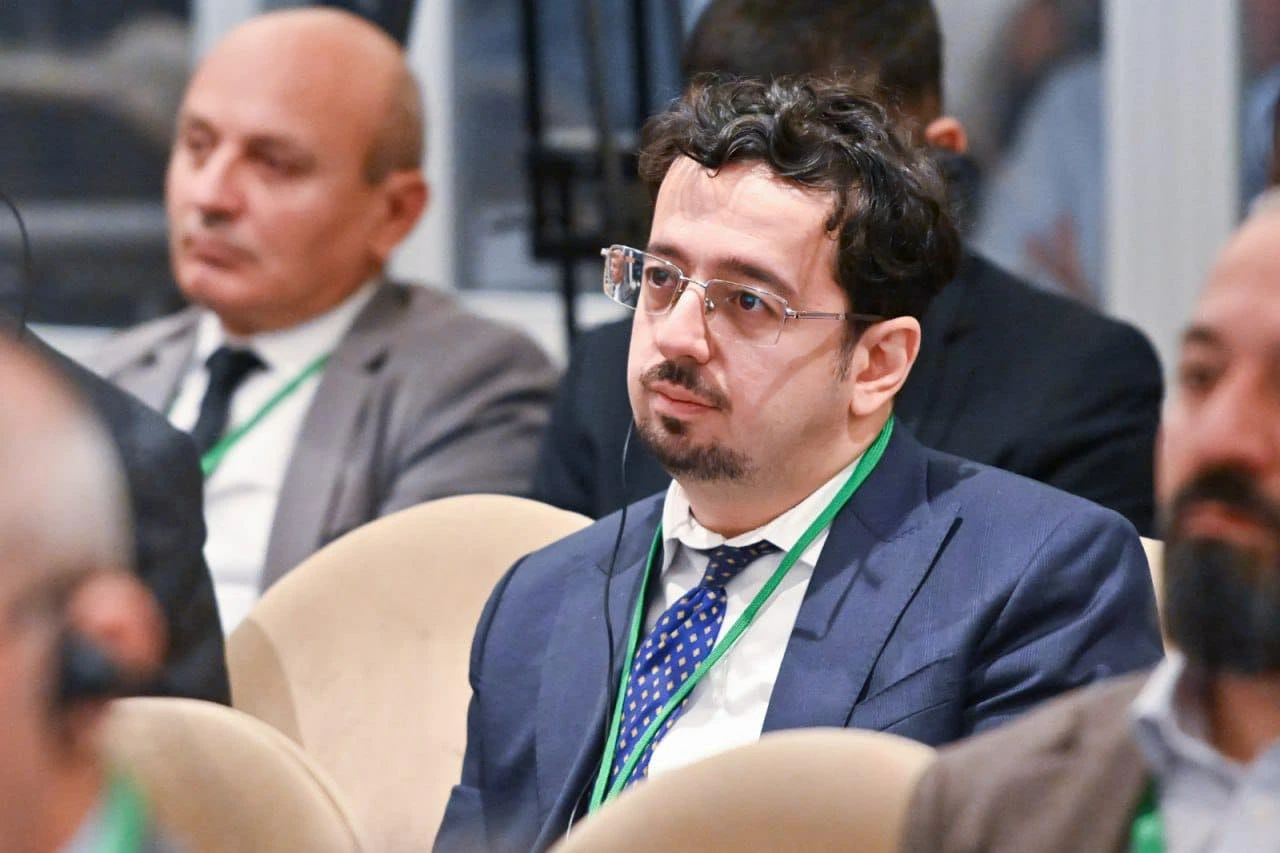
Topçubaşov Mərkəzinin direktor müavini və beynəlxalq münasibətlər üzrə ekspert Murad Muradov Ermənistanın İrəvan şəhərində keçirilən 108-ci NATO Parlament Assambleyası seminarında iştirak edərək, müharibədən sonra Ermənistana vacib bir missiya ilə səyahət edən ilk şəxslərdən biri oldu. O, tədbirin Azərbaycan və Ermənistan arasında sülh prosesi və regional dinamika mövzusunda panellərindən birində uğurla çıxış etdi. Baş redaktor Cəmalə Naxçıvaninin apardığı "Global Art Magazine" jurnalına verdiyi eksklüziv müsahibədə cənab Muradov səfər təəssüratlarını, seminarın atmosferini və xalqlar arasında körpü kimi mədəni mübadilənin əhəmiyyətini səmimi şəkildə bölüşdü.
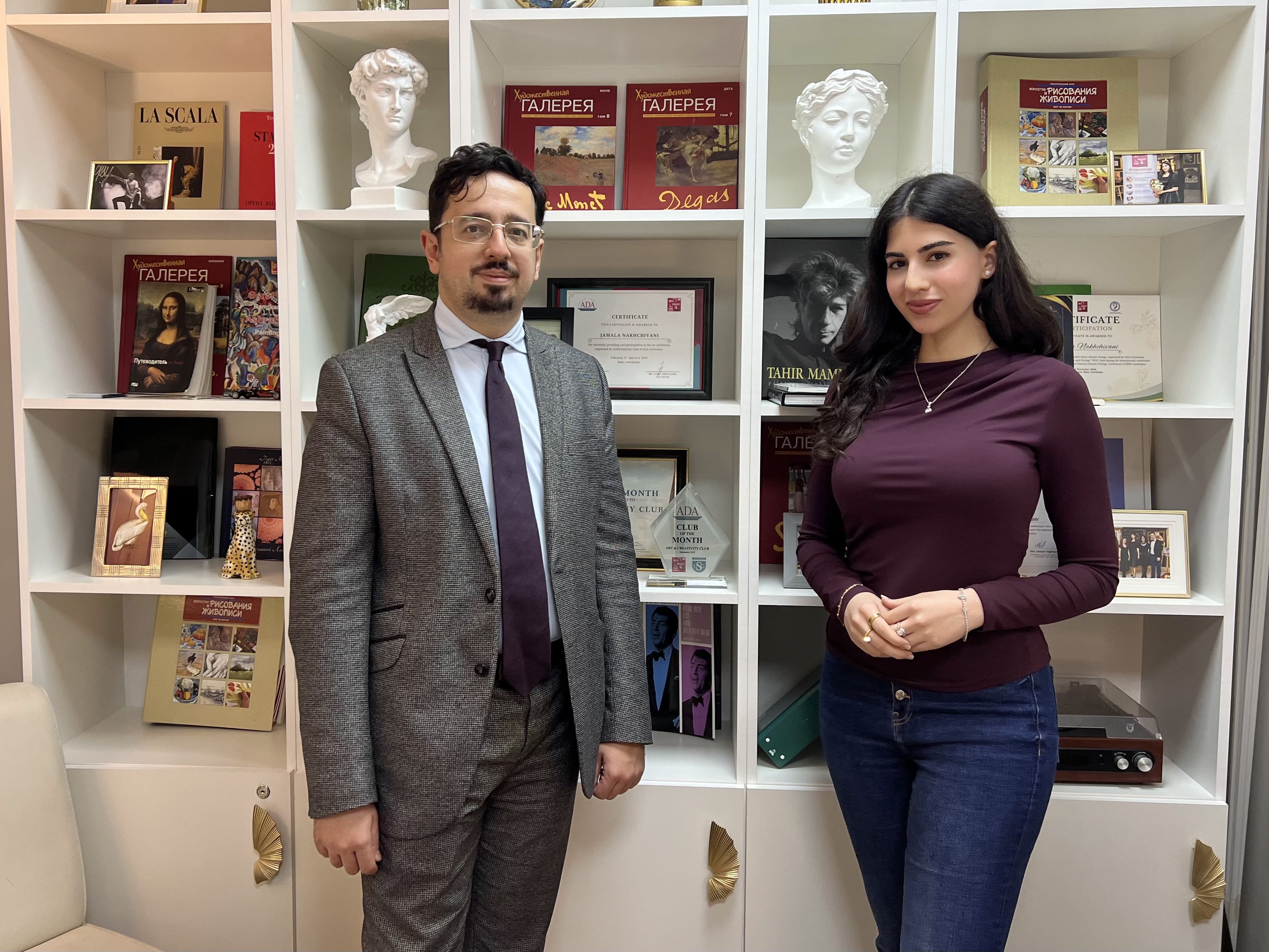
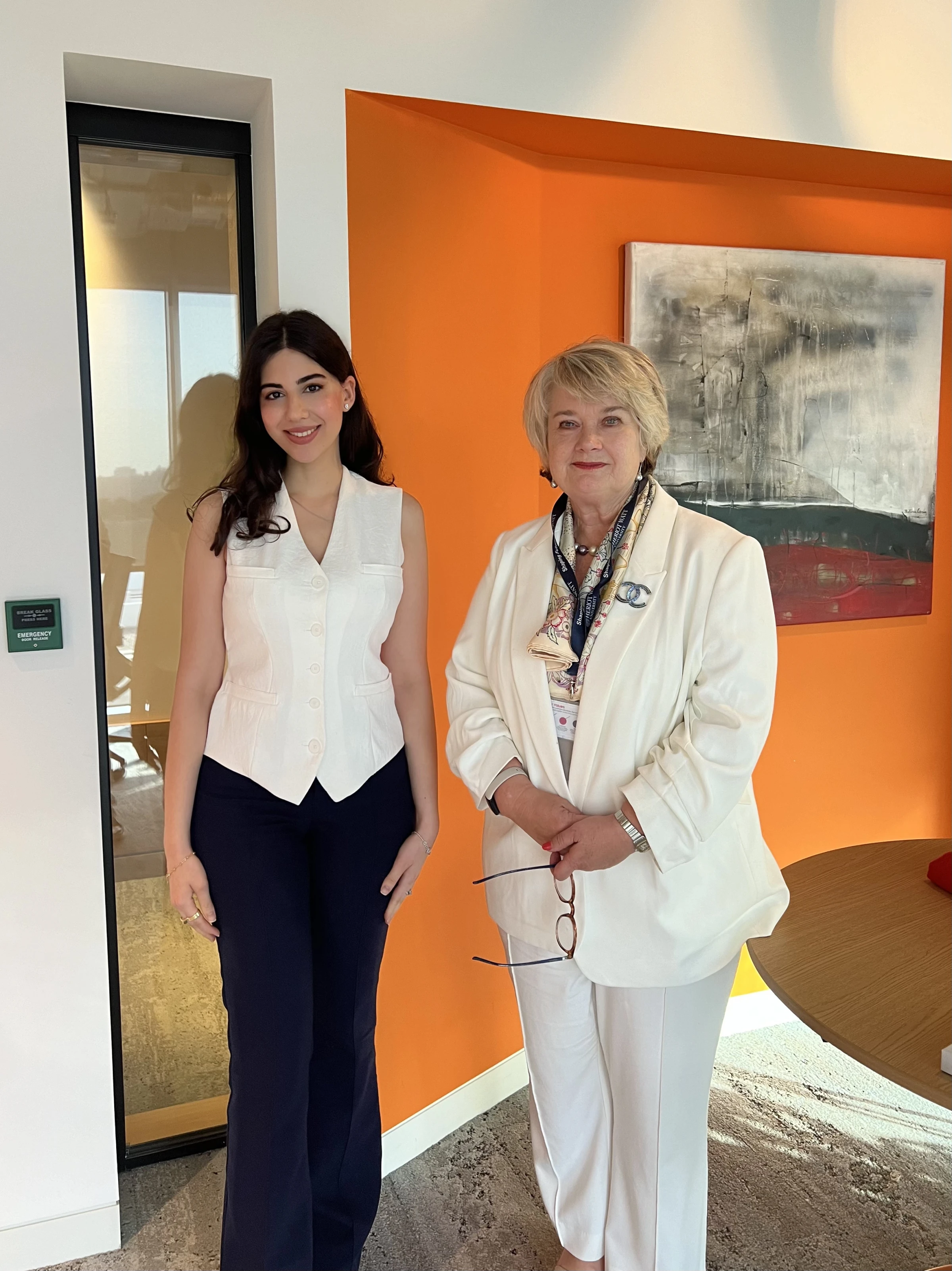
Murad Muradov və Cəmalə Naxçıvani, Global Art jurnalının baş redaktoru
— Salam, Murad bəy! "Global Art Magazine" jurnalına xoş gəlmisiniz. Zəhmət olmasa, iştirak etdiyiniz tədbir haqqında bizə məlumat verin.
— Salam! Dəvət üçün təşəkkür edirik!
Mən Ermənistanda keçirilən NATO Parlament Assambleyasının 108-ci Rouz-Rot seminarında iştirak etdim. Tədbir ikitərəfli deyil, beynəlxalq idi. Bu, 1990-cı illərdən bəri əsasən Şərqi Avropa və postsosialist bölgə ölkələri üçün keçirilən müntəzəm AB-NATO seminarıdır.
Sonuncu seminar İrəvanda baş tutdu. Bu ilin iyul ayında tərəfdaşlarımdan biri məni layihəni birbaşa həyata keçirən NATO Parlament Assambleyasına tövsiyə etdi. Dəvətnamədə Azərbaycan və Ermənistan arasında sülh prosesi və regional dinamika mövzusunda panel müzakirəsində çıxışım da yer alırdı.
Düzünü desəm, bu, mənim üçün sürpriz oldu. Cəmi bir il əvvəl belə bir fürsətin olması ehtimalı az idi - ölkələrimiz arasında münasibətlər son dərəcə gərgin olaraq qalırdı və ekspertlər hətta daha da gərginləşmə riskini müzakirə edirdilər. Buna baxmayaraq, 2025-ci ilin ortalarında Ermənistana səfər etmək üçün dəvət aldım və mən bunu, şübhəsiz ki, ciddi və məsuliyyətli bir addım kimi qəbul etdim.
Qeyd etmək vacibdir ki, bu cür görüşlər 2019-cu ildən, müharibə başlamazdan əvvəl keçirilməmişdi. İdman tədbirlərinin ayrı-ayrı iştirakçıları iştirak edə bilsələr də, siyasi ekspertlərdən belə bir səfər olmayıb. Bu arada, Azərbaycan nümayəndəsinin Yerevana səfəri 2019-cu ilin payızında Azərbaycan jurnalistlərinin Ermənistana səfərindən bəri ilk səfər idi.
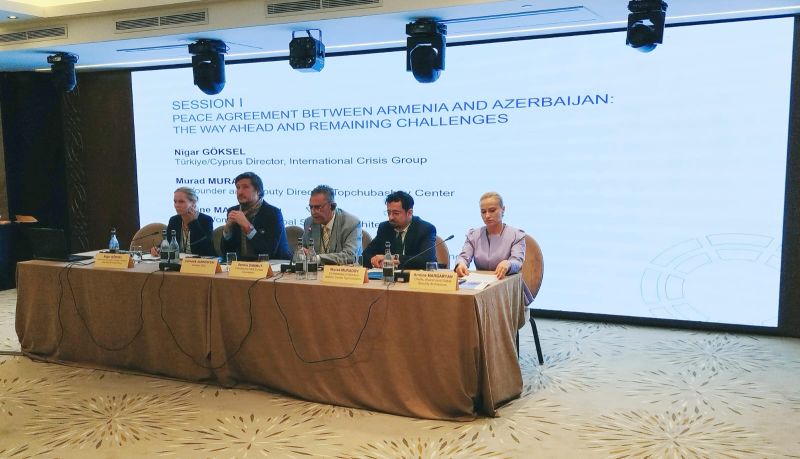
Mən səfərə, çıxışıma və sülh danışıqlarına və Cənubi Qafqazın münaqişədən sonrakı gələcəyinə həsr olunmuş panelin mövzusuna diqqətlə hazırlaşdım. Müzakirələrdə Ermənistan və Türkiyədən nümayəndələr, eləcə də Haaqada yerləşən bir təşkilatı təmsil edən moderator iştirak etdi. O, vurğuladı ki, bu panel tarixdə belə bir iştirakçı tərkibi ilə ilk dəfədir. Düşünürəm ki, bu, çox şey deyir.
— Bu səyahətə çıxanda nə düşünürdünüz və proses zamanı özünüzü necə hazırladınız? Axı, əslində, müharibədən sonra Ermənistana səfər edən ilk Azərbaycan nümayəndəsi siz idiniz. Aydındır ki, bu, xüsusi məsuliyyətlə dolu idi.
— Bu, tamamilə başqa bir hekayədir, deyə bilərsiniz. Mən həqiqətən də iştirakçılar arasında yeganə Azərbaycan nümayəndəsi idim və təbii ki, səfər hər addımın diqqətlə əlaqələndirilməsini və dəqiq planlaşdırılmasını tələb edirdi. Qaldığım hər bir detal müvafiq orqanlarla razılaşdırılıb. İrəvana çatdıqdan sonra məni diplomatik protokola tam uyğun olaraq Ermənistan Xarici İşlər Nazirliyinin təhlükəsizlik xidmətinin və protokol şöbəsinin nümayəndələri qarşıladılar.
Mən İrəvana müstəqil şəkildə getdim: təşkilatçılar mənim üçün İstanbul vasitəsilə biletlər aldılar ki, bu da mümkün olan yeganə marşrut idi. Təşkilatçılardan, eləcə də Ermənistan tərəfindən təhlükəsizliyimi təmin edən və zəmanət verən rəsmi məktublarım var idi. Əlbəttə ki, müəyyən bir risk var idi. Hətta aviaşirkətin mümkün fəsadlardan qorxaraq ehtiyatlı ola biləcəyini düşündüm. Amma xoşbəxtlikdən hər şey problemsiz keçdi: sənədlərim qəbul edildi, lazımsız suallar olmadan təyyarəyə buraxıldım və yola düşdüm. Düşünürəm ki, yəqin ki, Azərbaycandan bu istiqamətdə uçan ilk şəxsəm.
İrəvanda hər şey mükəmməl şəkildə təşkil olunmuşdu. Məni hava limanının VIP salonunda qarşıladılar; ümumi xidmətlər və ya gömrük işləri ilə məşğul olmaq məcburiyyətində qalmadım. Şəhər daxilində bütün nəqliyyat xidmət avtomobilində həyata keçirilirdi. Otelin təhlükəsizliyi də daim nəzarətdə saxlanılırdı. Hətta gecələr belə, hər ehtimala qarşı iki nəfər mərtəbədə növbətçi idi ki, bu da ev sahibinin məsuliyyətini vurğulayırdı.
— Tədbirin özünü necə qiymətləndirərdiniz? Sizcə, seminarın məqsədlərinə nə dərəcədə nail olunub?
— Seminarın əsas auditoriyası müxtəlif ölkələrdən olan parlament üzvləri idi. Düzünü desəm, bəziləri beynəlxalq siyasət məsələlərini kifayət qədər ümumi şəkildə başa düşürdülər; digər tərəfdən, Avropa parlamentləri əsasən iqtisadiyyat, vergilər və sosial siyasət kimi daxili məsələlərə diqqət yetirir və nadir hallarda xarici siyasətə dərindən baxırlar.
Buna baxmayaraq, regiona maraq, xüsusən də avropalı iştirakçılar arasında hiss olunurdu. Məsələn, onların çoxu Azərbaycan Prezidenti İlham Əliyev, Ermənistanın Baş naziri Nikol Paşinyan və ABŞ Prezidenti Donald Tramp arasında üçtərəfli danışıqların xəbərindən təəccübləndilər. Onlar bundan sonra nə gözləməli olduqları və tərəflərin əslində nə etdikləri ilə həqiqətən maraqlanırdılar.
Əlbəttə ki, suallar çox müxtəlif idi. Bəzi nümayəndələr, xüsusən də Fransadan olan nümayəndələr olduqca kəskin, hətta təxribatçı suallar verdilər. Məsələn, Azərbaycan, onların fikrincə, erməni mədəni irsini laqeyd edirsə, necə sülh qurmaq niyyətindədir. Bəzən onlar Azərbaycan və Fransa arasındakı münasibətlərdə seminarın mövzusu ilə birbaşa əlaqəsi olmayan konkret epizodları xatırlayırdılar. Mən sakit, ağlabatan və təmkinli cavab verməyə və lazımsız müzakirələrdən çəkinməyə çalışdım.
Ümumilikdə, tədbir uğurlu keçdi. Azərbaycana maraq göz qabağında idi və şərhlər əsasən müsbət idi. Təşkilatçılar yekun sessiyada iştirakımı xüsusi olaraq qeyd etdilər və vurğuladılar ki, belə bir səfərin mümkünlüyü dinc ünsiyyət prosesində əhəmiyyətli bir addımdır. Bu, simvolik bir an idi, çünki Azərbaycan və ya Ermənistanı əhatə etməyən böyük beynəlxalq təşkilat olan NATO Cənubi Qafqazda dialoqun inkişafında obyektiv və konstruktiv rol oynaya bilər.
— Orada olarkən, müharibədən bəri Ermənistana səfər edən ilk Azərbaycan nümayəndəsi olduğunuzu anladığınız anın əhəmiyyətini hiss etdinizmi?
— Əlbəttə. Etiraf edim ki, hətta ora gedərkən belə tədbirin məkan baxımından necə olacağını təsəvvür etməmişdim. Mən bunu böyük bir səhnə, çoxsaylı iştirakçılar, mətbuat və televiziya kameraları olan genişmiqyaslı beynəlxalq forum kimi təsəvvür edirdim. Əlbəttə ki, bir məqamda bir az narahat oldum. Axı vəziyyət unikal və çətin idi. Amma xoşbəxtlikdən format daha səmimi oldu: tədbir otelin konfrans zalında, kifayət qədər sakit və peşəkar atmosferdə baş tutdu. Əlbəttə ki, auditoriya kifayət qədər böyük idi.
Mənim üçün ən yaddaqalan an yerli jurnalistlərin mənə yaxınlaşmağa başlaması oldu. Etiraf edim ki, mətbuatla görüşməzdən əvvəl bir az əsəbi idim, çünki jurnalistlər çox vaxt işləri hamarlamağa öyrəşmiş analitiklər və ekspertlər kimi davranmırlar; Onlar ictimaiyyətin diqqətini cəlb etmək üçün bilərəkdən çox çətin və hətta təxribatçı suallar verə bilirlər. Lakin söhbət rahat keçdi. Mənim fikrimcə, bu, səfərin əsas məqamı idi.

— Səfəri ümumilikdə necə qarşıladınız?
— Proqram aydın şəkildə strukturlaşdırılmışdı — təşkilatçılar, NATO tərəfindən ev sahibləri ilə əməkdaşlıqda hazırlanmışdır. Hər şey rəsmi protokolun ciddi çərçivəsində, cədvəldən kənara çıxmadan baş tutdu. Seminarın özündən əlavə, proqrama şam yeməyi də daxil idi. Bizi keçmiş xalça fabrikinə, indi isə tanınmış erməni xalçaçı ailəsinin adını daşıyan emalatxanaya və muzey-restorana apardılar. Musiqi və qısa bir turla şam yeməyi yedik.
Həmçinin Qədim Əlyazmalar Muzeyi olan Matenadarana ekskursiyamız oldu. Bölgənin tarixi ilə maraqlanan biri kimi, bu, xüsusilə maraqlı idi. Bilirik ki, qədim mənbələrin və artefaktların şərhləri tez-tez müzakirə mövzusu olub — axı bəzi erməni tarixçiləri Qarabağın və bir çox Azərbaycan ərazilərinin tarixən Ermənistan torpaqları olduğunu və guya onlara qarşı üstün hüquqlara malik olduqlarını iddia etmək üçün onlardan istifadə ediblər və s. Buna görə də, bu tura bir az qorxu ilə yanaşdım. Lakin deməliyəm ki, tur nəzakətli şəkildə keçirildi. Bələdçi, ehtimal ki, qrupun tərkibi barədə məlumatlandırılıb və sərt şərhlərdən çəkinərək neytral tonu qorumağa çalışıb. Məsələn, otaqların birində bizə erkən orta əsrlərə aid unikal bir sənədin - üç dildə və üç fərqli əlifbada - erməni, alban və gürcü əlifbalarında yazılmış eyni mətnin fraqmentləri göstərildi. Bələdçi bu faktı subyektiv şərhlərlə müşayiət etmədən sakitcə qeyd etdi. Sərgidə təqdim olunan xəritələrdə Qafqaz Albaniyası da diqqət çəkən yer tutur ki, bu da şübhəsiz ki, vacibdir, çünki bu eksponatların özləri ölkəmizin çoxqatlı tarixindən xəbər verir.
Nəhayət, mənə mərkəzi Yerevanda - Marşal Baqramyan prospekti və fəvvarələri olan Sovet dövrü memarlıq kompleksi olan Respublika Meydanı boyunca qısa bir gəzinti verildi. Təəssüf ki, başqa bir şey görməyə vaxtımız olmadı.
— Sizcə, ölkələr arasında, xüsusən də bölgəmizdə mədəni dialoq və mübadilənin rolu nə qədər vacibdir?
— Əminəm ki, mədəniyyət həmişə yaradıcı bir qüvvədir. Bu, hətta ən mürəkkəb millətlərin belə bir-birini başa düşə biləcəyi bir dilə çevrilə bilər. Təəssüf ki, tarix mədəniyyətin dağıdıcı bir alətə çevrildiyi, demaqoqların irsi mənimsəməyə və ondan "qarşı tərəfə" qarşı silah kimi istifadə etməyə çalışdığı bir çox halları bilir. Lakin nəticədə mədəniyyət həmişə birləşir.
Münaqişəmizin tarixinə nəzər salsaq, görərik ki, insanların ruhlarına çata və onlara insanlığı xatırlada biləcək sözləri digərlərindən daha çox məhz mədəniyyət xadimləri - yazıçılar, rəssamlar, musiqiçilər, mütəfəkkirlər tapıblar. Axı incəsənət dili beynəlxalqdır və onun gücü də elə buradadır. Bu, mədəniyyətdən insanlar arasında körpü kimi istifadə etmək üçün əsas yaradır.
Həm dövlətin, həm də cəmiyyətin bu istiqamətdə birlikdə və birgə hərəkət etməsi vacibdir, çünki gözardı edilə bilməyən çoxlu ağrılı məsələlər var, əks halda onlar gərginliyi artırmağa davam edəcək. Bu gün nəyə hazır olduğumuzu və nəyin vaxt və yetkinlik tələb etdiyini ayıqcasına düşünməliyik. İnanıram ki, gələcək inkişaf üçün yaxşı bir körpü və bu gün etibar simvolu kimi xidmət edə biləcək amillər var.
Ən bariz nümunə Bakının mərkəzindəki erməni kilsəsidir. O, hələ də şəhər mərkəzində dayanır, Azərbaycan dövlətinin himayəsindədir və hətta Bakıdakı erməni icmasının arxivlərini də saxlayır. İnanıram ki, gələcəkdə memarlıq və kilsə tarixi mütəxəssislərinin bu artefaktların vəziyyətini yoxlaya bilmələri üçün səfərlərini təşkil etmək tamamilə mümkündür. Bu, güclü bir mesaj göndərərdi.
Başqa yollar da var. Valideynləri və ya nənə-babaları bir vaxtlar münaqişə səbəbindən evlərini tərk etmək məcburiyyətində qalan bir çox Azərbaycanlı və Erməni əcdadlarının yaşadığı evləri və küçələri, dəfn olunduğu qəbiristanlıqları görməyi xəyal edir. Bu da onların irsinin bir hissəsidir, elə deyilmi? Bəlkə də zamanla sərhəddə hər iki tərəfdən musiqiçilərin, sənətçilərin və mədəniyyət xadimlərinin iştirakı ilə kiçik birgə festivallar təşkil etmək mümkün olacaq.
Axı, rəsm çəkmək sərhəd tanımır. Musiqidə melodiyanın mənşəyi, ritmin kökləri və onu ifa edən alət haqqında mübahisə edə bilsək də, rəsm çəkmək daha asandır; bu, universal dilə malik nisbətən "neytral" bir sənət növüdür.
Yeri gəlmişkən, 2010-cu illərdə mədəni dialoq qurmağa çalışan və barışıq üçün bir çox addım atan Ermənistan ictimai xadimi Georgi Vanyanı xatırlayıram. O, İrəvanda Azərbaycan filmlərinin nümayişlərini keçirmiş və azərbaycanlıların öz torpaqlarına qayıtmaq hüququnun tanınmasına çağırmışdı. Bunun üçün o, xain hesab olunur, təhdid edilir və təqib olunurdu. Lakin bu gün vəziyyət dəyişib və yeni şəraitdə artıq daha müsbət dinamika müşahidə olunur. Əgər kiçikdən başlasaq, bir və ya iki birgə layihə, seminar və ya mədəniyyət günü ilə irəliləsək, tədricən etimad atmosferi yarada bilərik. Bu cür əlaqələr nə qədər çox olarsa, dağıdıcı qüvvələr, məsələn, sonradan kimisə xain damğası vurmaq cəhdləri və s. üçün bir o qədər az fürsət yaranacaq.
Reallıq özü bu istiqamətdə irəlilədiyimizi diktə edir və səmimi qəlbdən ümid edirəm ki, bu proses kəsilməyəcək.
— Təşəkkür edirəm və sizə davamlı uğurlar arzulayıram!
Müsahibəni Global Art jurnalının baş redaktoru Cəmalə Naxçıvani aparıb