Statusun məsafəni diktə etdiyi bir dünyada, Ürəklər Şahzadəsi Ledi Di monarxiyanın ruhu və siması olmağa cəsarət etdi. Uels Şahzadəsi olan Diana Spenser, kral əzəmətinin qızılının artıq canlıların ağrısını ört-basdır edə bilmədiyi bir dövrün lütfünü, şəfqətini və kədərini təcəssüm etdirdi.
Onun hekayəsi nağıl kimi başladı: aristokrat ailənin gənc bir övladı, yaşı bir az az olanda, gələcək Kral Çarlzla 19 yaşında evləndi. Müqəddəs Pavel Katedralının pilləkənləri ilə onu milyonlarla göz izləyirdi. Lakin nağıl toy paltarının arxasında artıq qeyri-müəyyənlik, çatlar və tənhalıq gizlənirdi - sarayın parıltısının buz kimi laqeydlikdən qorunmadığı bir gələcək.

Diana saray etiketi ilə gizlədilməyən hissləri olan bir qadın idi. Onun açıq, həssas baxışları onlarla rəsmi çıxışdan daha ucadan danışırdı. Məhz onun böyüklüyü də elə bu idi: o, özünün sağ qalmasına icazə verdi və beləliklə, milyonlarla insana daha yaxın oldu.
Şahzadə Diana tarixə yeni bir sosial aktivizm formasının qabaqcılı kimi düşdü. O, QİÇS xəstələrini qucaqladı, evsizlərlə danışdı, uşaqlarını itirən anaların gözlərinə baxdı və Anqolada minalanmış ərazidən keçdi. O, özü ilə başqalarının faciəsi arasındakı xətti protokoldan deyil, ürəkdən sildi. O, yüksək cəmiyyətin sükutunda həmişə səmimi səslənən nadir səs idi.

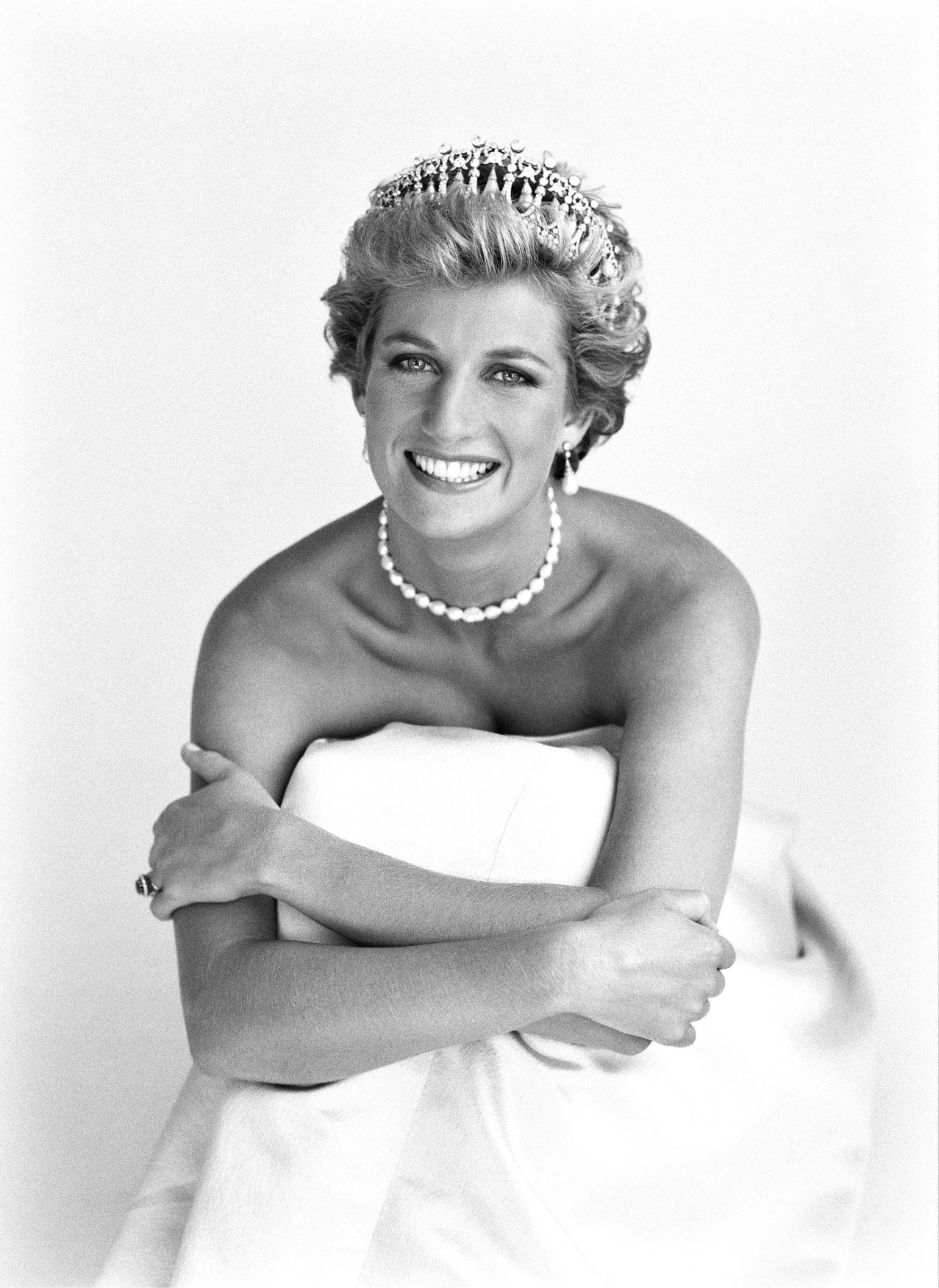
Onun aristokratik və humanist obrazı minlərlə fotoqrafa, rəssama, rejissora və şairə ilham vermişdir. Mədəni bir fenomen olaraq, o, saysız-hesabsız portretlərin mövzusuna çevrilmişdir. Mario Testino, Patrik Demarşelyer və Terri O'Nil tərəfindən çəkilmiş fotoşəkilləri 20-ci əsrin sonlarının vizual kanonuna daxil olmuşdur.


Rəssamlar onun incəlik və ləyaqətlə dolu baxışlarını ələ keçirməyə çalışırdılar. Diana qeyri-mümkün olanı əldə etdi: o, dövrün arxetipinə çevrildi - zərif, həssas, azadlığa can atan. Onun həyatı ağrı, sevgi və nəciblikdən ibarət bir əfsanəyə çevrildi və bildiyimiz kimi, əfsanə ən yüksək sənət formasıdır.
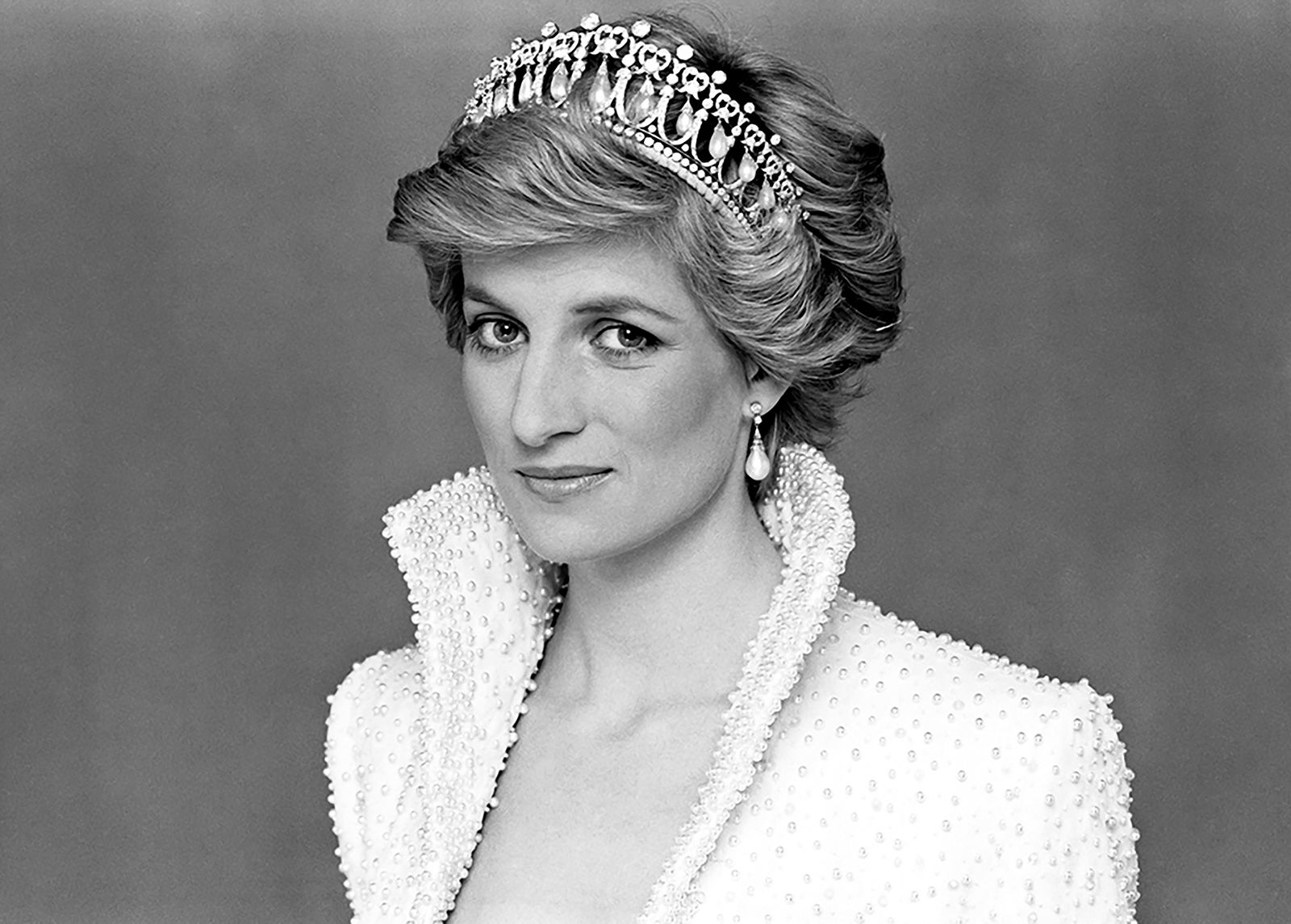
Şahzadə Diananın geyimləri özünü ifadə etməyin əsl səsi idi. Hər sözünün diqqətlə araşdırıldığı bir dünyada o, xətlərin, çalarların və parçaların dilində danışmağı öyrəndi. O, rəsmi kostyumlardan imtina edərək sadə siluetlərə, ağ köynəklərə və çiyinləri açıq siluetlərə üstünlük verdi. Onun hər bir görünüşü diqqətlə planlaşdırılmışdı və eyni zamanda həmişə səysiz görünürdü.

Qisas don (Revenge dress) tarixə dəbli itaətsizlik aktı kimi düşdü. Şahzadə Çarlzın xəyanət etirafı televiziyada yayımlanarkən, Şahzadə Diana Londonun Serpentine Qalereyasında xalçada ikonik qara ipək donla gəzirdi. Don sanki güc, azadlıq və qadınlıq sərhədlərini yenidən müəyyənləşdirirdi. Asimmetriya, çiyinsiz stil və qısa ətək - əvvəllər şahzadə üçün ağlasığmaz hesab edilən hər şey birdən azadlığın simvoluna çevrildi.

31 avqust 1997-ci ildə baş verən faciəli ölümündə bütün dünya yalnız bir ölkənin deyil, həm də bir dövrün qırıq qəlbinin səsini eşitdi. Bukingem Sarayının divarlarındakı çiçəklər, məktublar və şamlar bağışlanmaz bir dünyada insan olmaq riskini öz üzərinə götürən biri üçün kollektiv bir dua idi.
Bu gün, onilliklər sonra, Diana müasir qadınlığın arxetipi kimi ürəklərdə və xatirələrdə yaşamağa davam edir: güclü, lakin həssas; müstəqil, lakin sevən; ictimaiyyətə açıq, lakin dərin gizli.
Müəllif: Cəmalə Naxçıvani, Global Art jurnalının baş redaktoru