
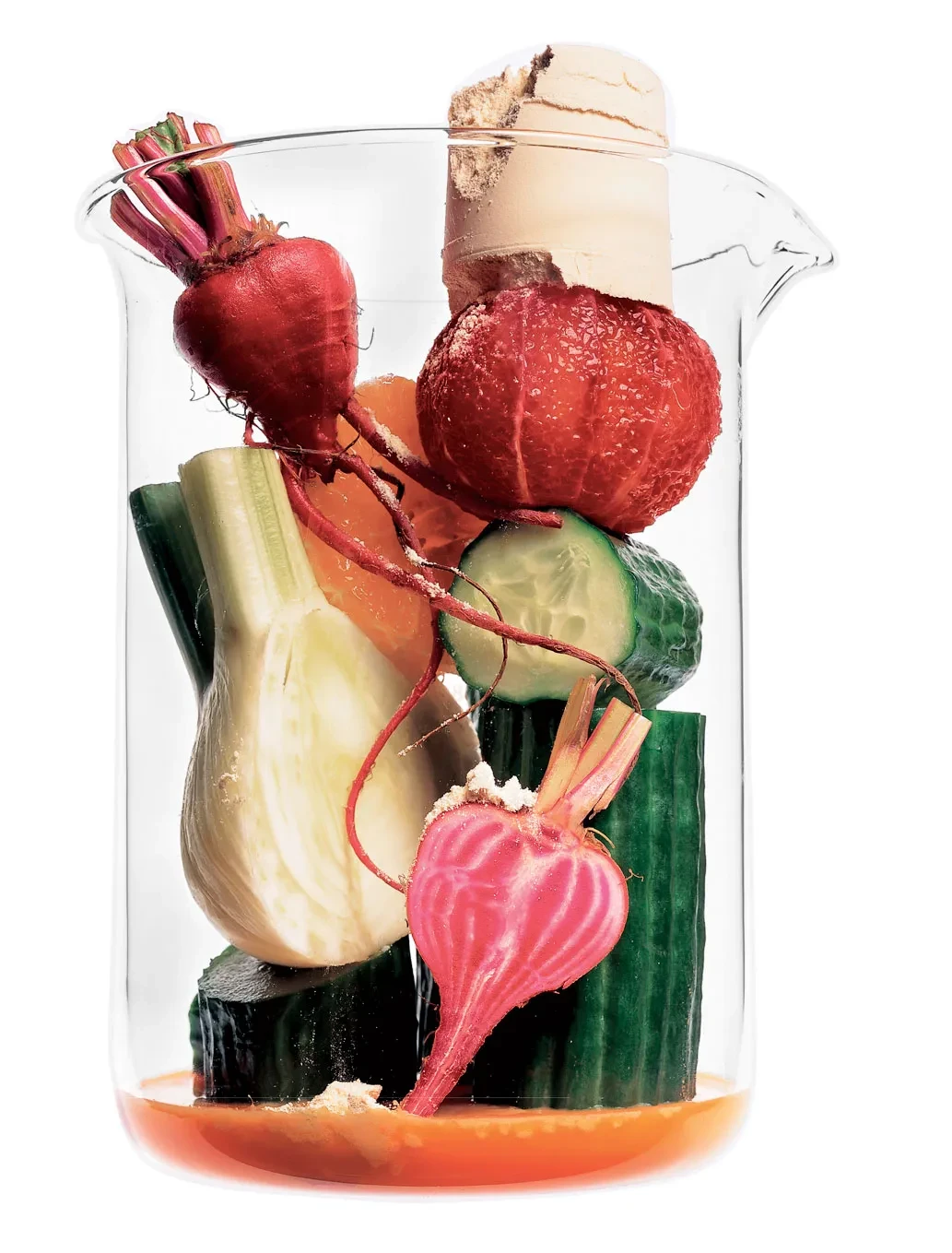
Torpaqlı və şirin dadlı (əslində onlara torpaq konfeti ləqəbi verilir) çuğundur həyatın hər mərhələsində qadın sağlamlığı üçün xüsusilə faydalı olan qida maddələri ilə zəngindir. Burada mütəxəssislər bilməli olduğunuz hər şeyi izah edirlər.
Çuğundurun qidalanma faydaları nələrdir?
Çuğundur lif, kalium, dəmir, folat və antioksidantların yaxşı mənbəyidir. ABŞ Kənd Təsərrüfatı Nazirliyinə görə, bir stəkan çiy çuğundurda əksəriyyətimizin hər gün kifayət qədər istehlak etmədiyi 3,81 qram lif var. Lif müntəzəm bağırsaq hərəkətlərini, həzmi və qan şəkəri balansını dəstəkləyir.
Bu vaxt kalium, nəmləndirmə və maye balansını qorumağa kömək edən və sinir siqnallarını və əzələ daralmasını tənzimləyən bir elektrolitdir. Dəmir bədəndə oksigenlə zənginləşdirilmiş qanın daşınmasında mühüm rol oynayır.
B9 vitamini kimi də tanınan folat, hamiləlik dövründə sağlam dölün inkişafını dəstəkləmək üçün lazımdır və ürək sağlamlığını və idrak funksiyasını dəstəkləyir.
Çuğundurda həmçinin bədənin azot oksidinə çevirdiyi və bədəndə qan axınını artırmağa və skelet əzələlərinin daralmasının səmərəliliyini artırmağa kömək etmək üçün istifadə etdiyi nitrat var.
Çuğundur yeməklə çuğundur suyu içmək arasında fərq varmı?
Bəzən tərəvəzlərimizi yemək əvəzinə daha tez və daha çox miqdarda içmək istəyirik. Çuğundur və çuğundur suyu məsələsinə gəldikdə, əsas fərq çuğundur suyunun az və ya heç bir lif ehtiva etməməsidir. Bu, içdikdən sonra qan şəkərinin çuğundur yedikdən sonra görə biləcəyinizdən daha yüksək artmasına səbəb ola bilər.
Yenə də, çuğundur suyu içmək bir oturuşda bir neçə çuğundura bərabər miqdarda qəbul etməyə imkan verir, yəni daha yüksək konsentrasiyalı qida maddələri daha tez alacaqsınız.
Nə qədər çuğundur suyu içməliyəm?
Çuğundur suyu üçün ümumi tövsiyə olunan doza və ya gündəlik yuxarı limit yoxdur, lakin gündə təxminən yarımdan bir stəkan çuğundur suyu ilə məhdudlaşdırmaq tövsiyə olunur.
Kimlər çuğundur suyu içməməlidir?
Xroniki böyrək xəstəliyi olan və ya dializdə olanlar yüksək kalium tərkibinə görə çuğundur suyundan çəkinməlidirlər. Diabet və prediabet xəstələri də yüksək şəkər tərkibi və aşağı lif tərkibinə görə şirədən çəkinməlidirlər. Nəhayət, aşağı təzyiqi olan və ya qan təzyiqi dərmanı qəbul edən hər kəs də çuğundur suyundan çəkinməlidir.
Əgər onu pəhrizinizə əlavə etməklə bağlı hər hansı bir sualınız varsa, həkiminizlə məsləhətləşməyiniz yaxşı olar.