Architecture is often perceived through form: lines, volume, proportions, materials. But sometimes color is the element that transforms our sense of space. It can make a building part of the urban landscape, transform ordinary infrastructure into a work of art, or create a completely unexpected mood.
The history of color architecture began long before modern cities. Pigments were used in prehistoric caves, and ancient Egypt, Greece, and Rome created polychrome temples and buildings. Later, color became an important part of the stained glass windows of medieval cathedrals, Renaissance frescoes, and 20th-century architectural experiments. Today, it is once again gaining attention, this time as a fully-fledged tool in architectural design.
This topic is explored in a new book by designer Adam Nathaniel Furman and author Kate Mazaid, Chromatic Architecture – The Craft of Color in Design, published September 1, 2026. The authors view color not as a decorative addition, but as part of architecture itself. Their selection included eight buildings—from an ancient Indian temple complex to a modern library and an unusual pedestrian space in London.
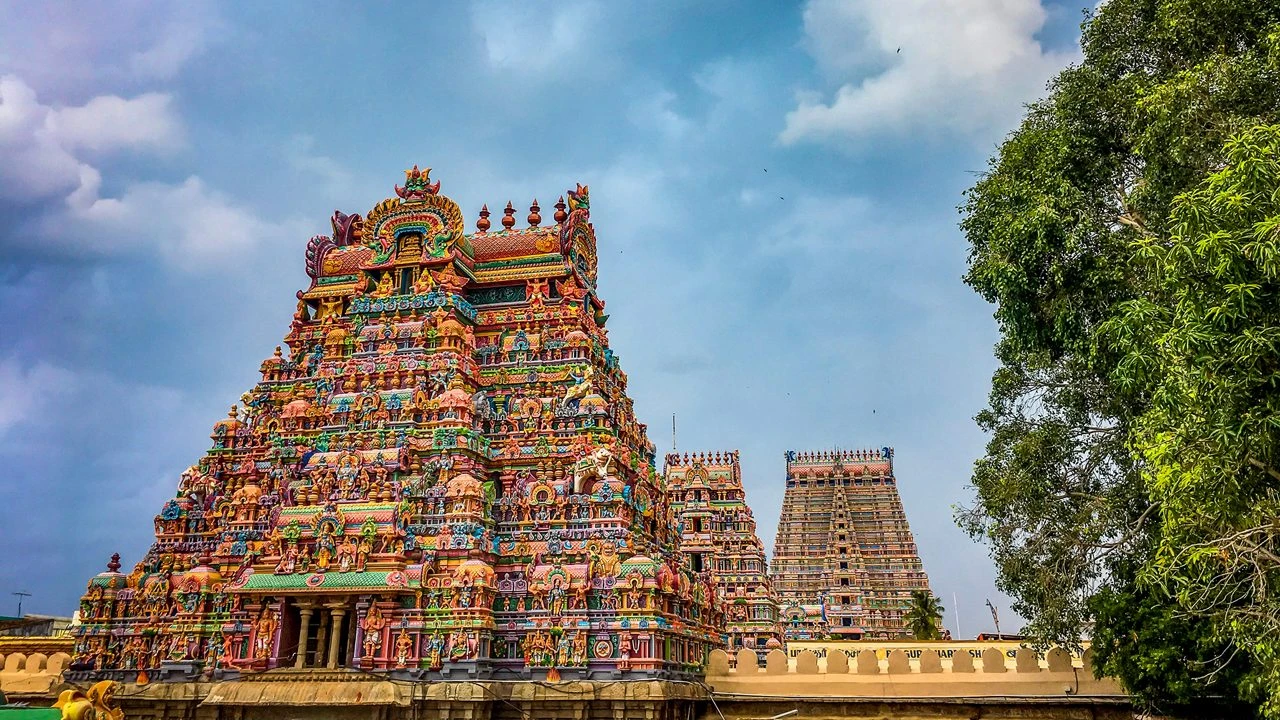
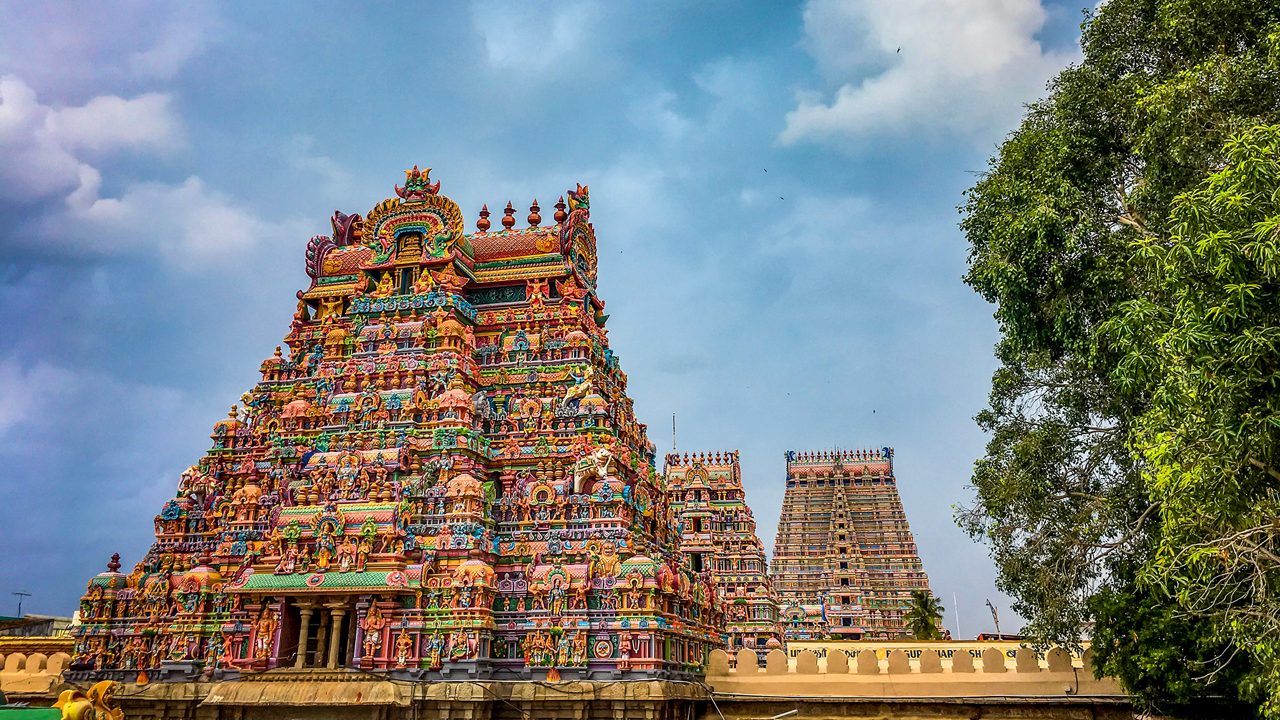
Sri Ranganatha Swamy Temple, India
This temple complex in Tamil Nadu is one of the most impressive examples of how deeply color can be linked to culture and spiritual tradition. Its construction began in the first century CE and continued for many centuries. Today, the complex occupies over 150 acres and includes 21 brightly decorated entrance portals, or gopurams.
Here, color doesn't simply add expressiveness to the architecture. It creates a unique visual environment in which religious experience becomes part of the surrounding space. Vibrant pigments, numerous sculptural details, and the scale of the structures transform the temple into an almost fantastical cityscape.
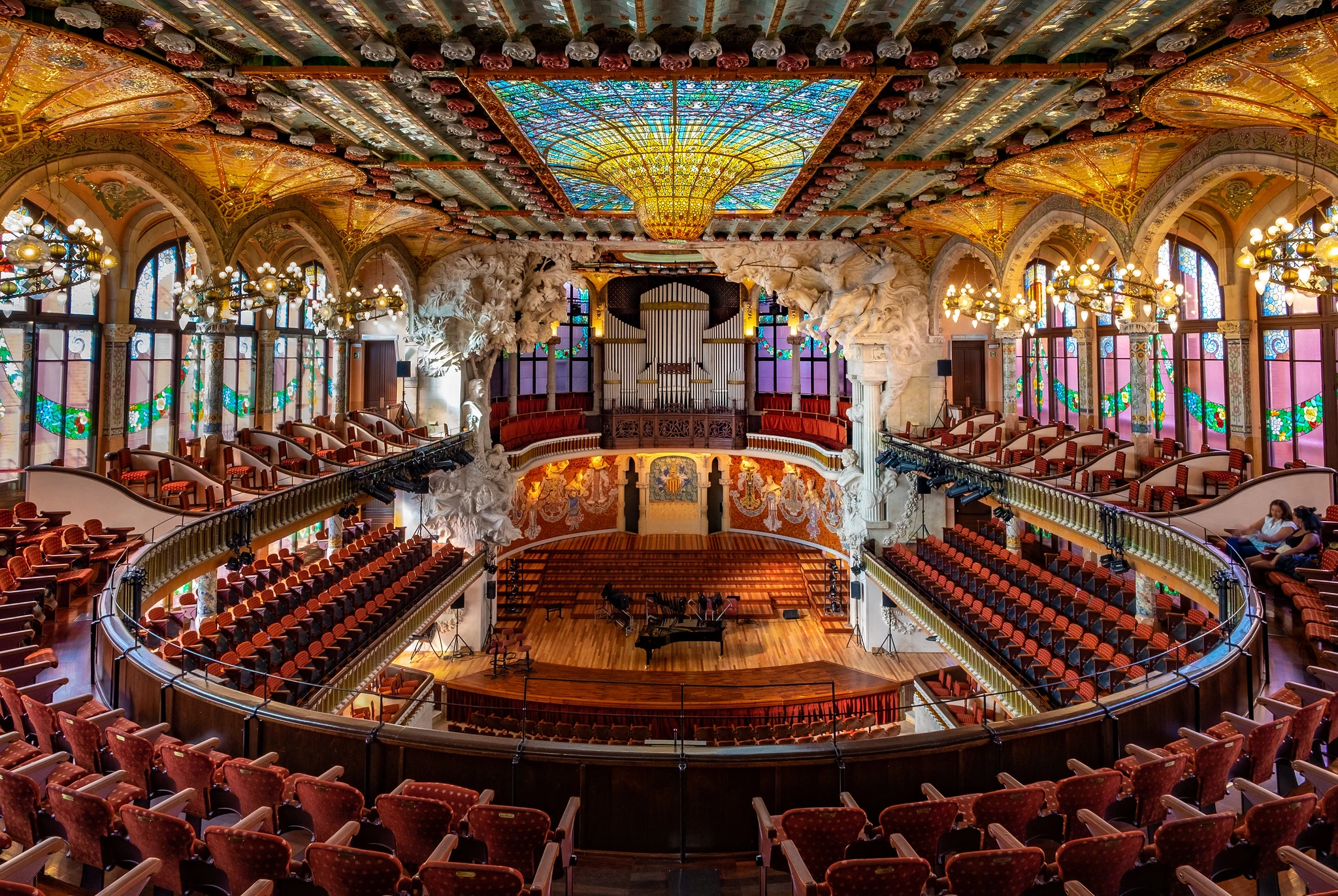
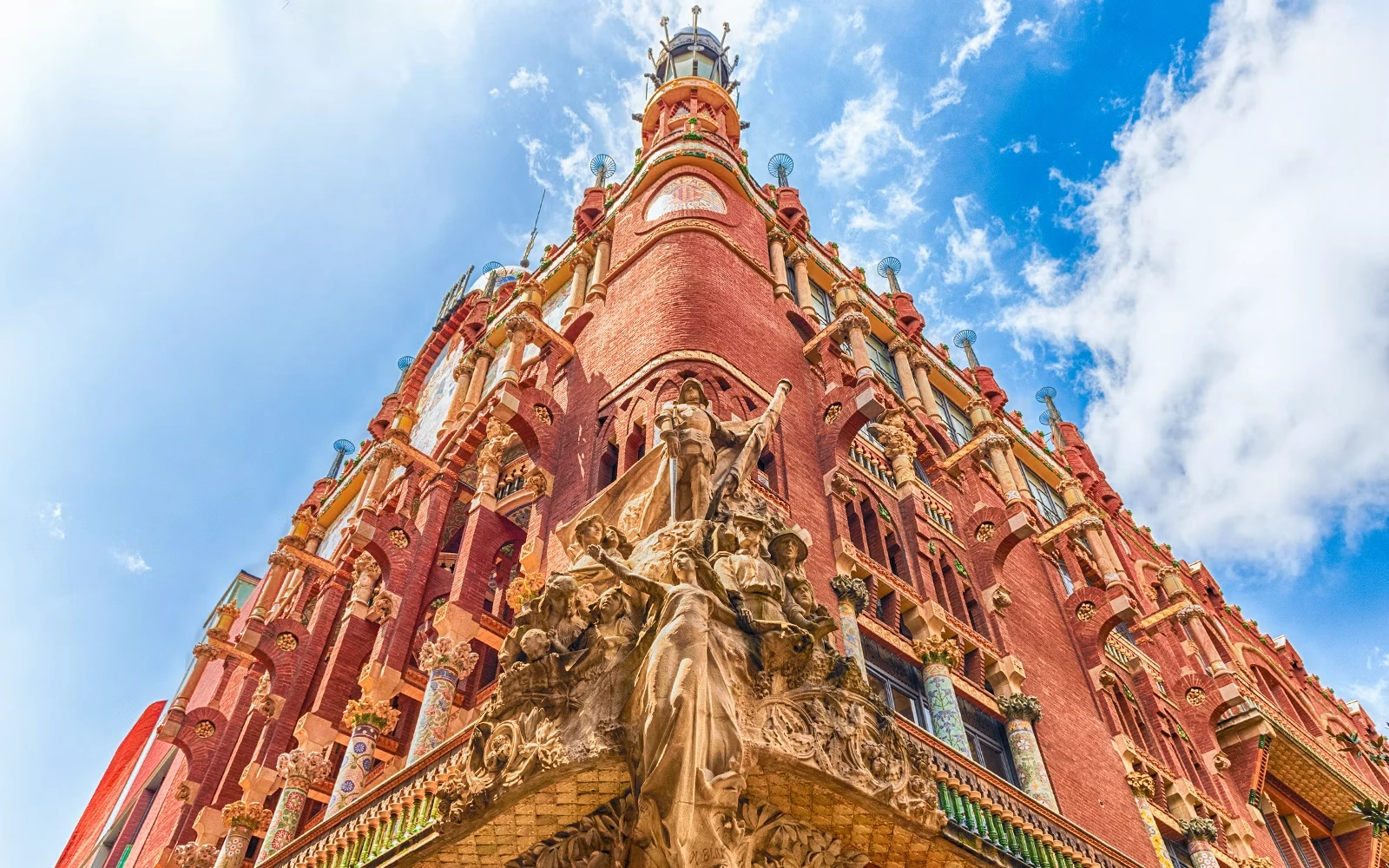
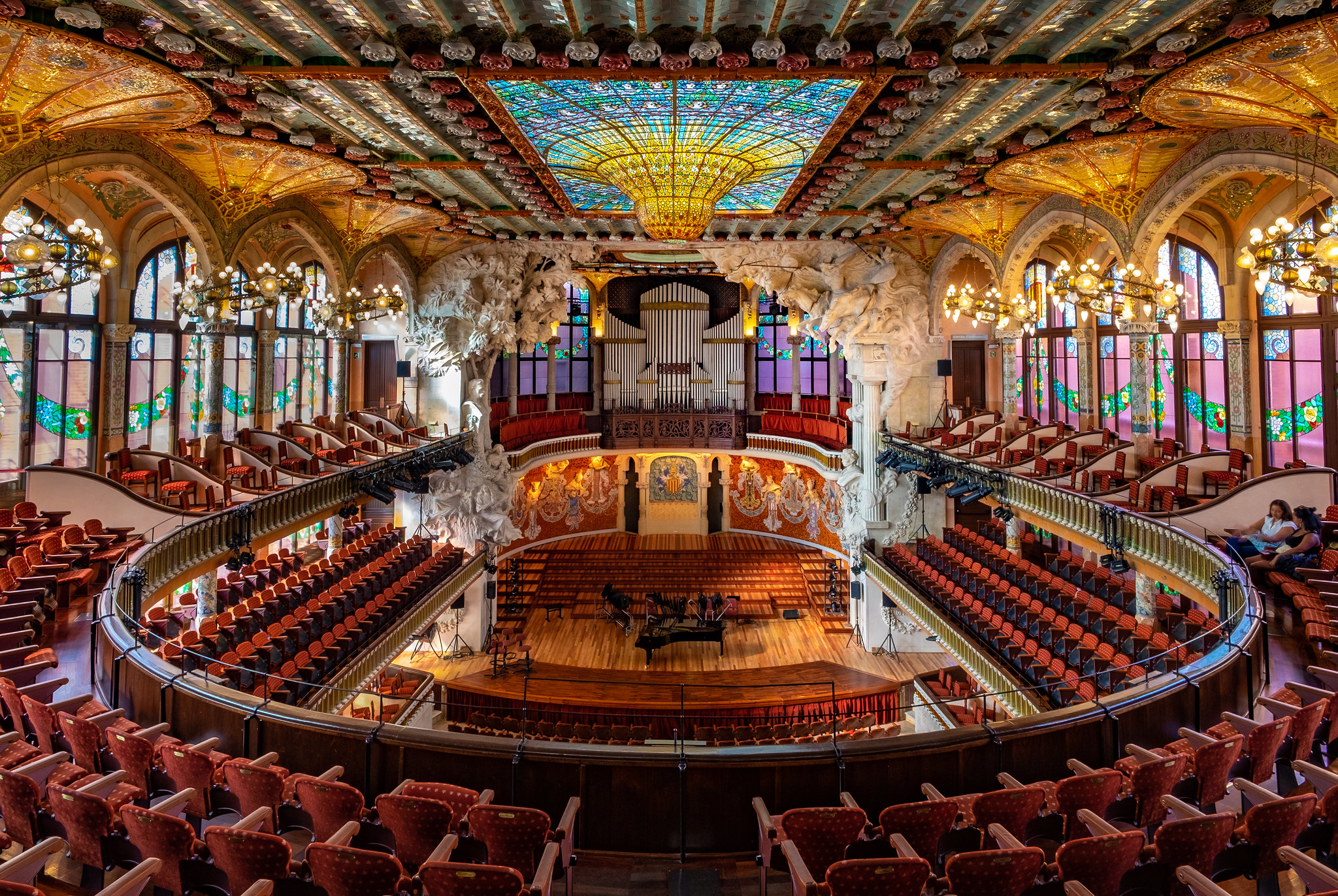
Palau de la Música Catalana, Barcelona
Built in 1908, this concert hall designed by Lluís Domènech i Montaner has become one of the symbols of Catalan Modernism. Its design combines elements of Art Nouveau, Romanesque and Gothic architecture, Moorish motifs, and local decorative traditions.
Color is present literally everywhere here—in the stone, columns, capitals, stained glass, and decorative details. The building seems to be constructed not from separate architectural elements, but from a single, continuous decorative composition.
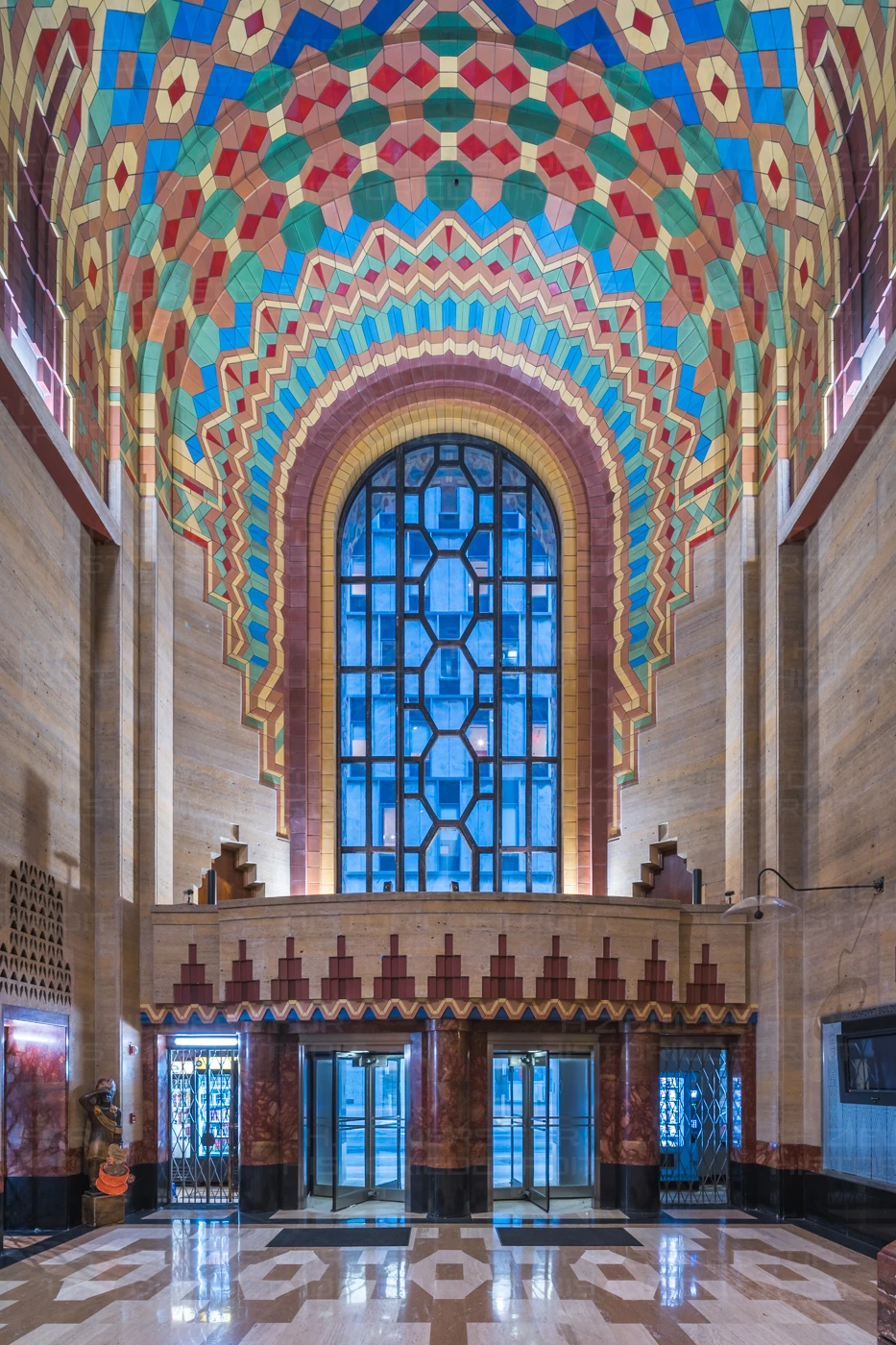
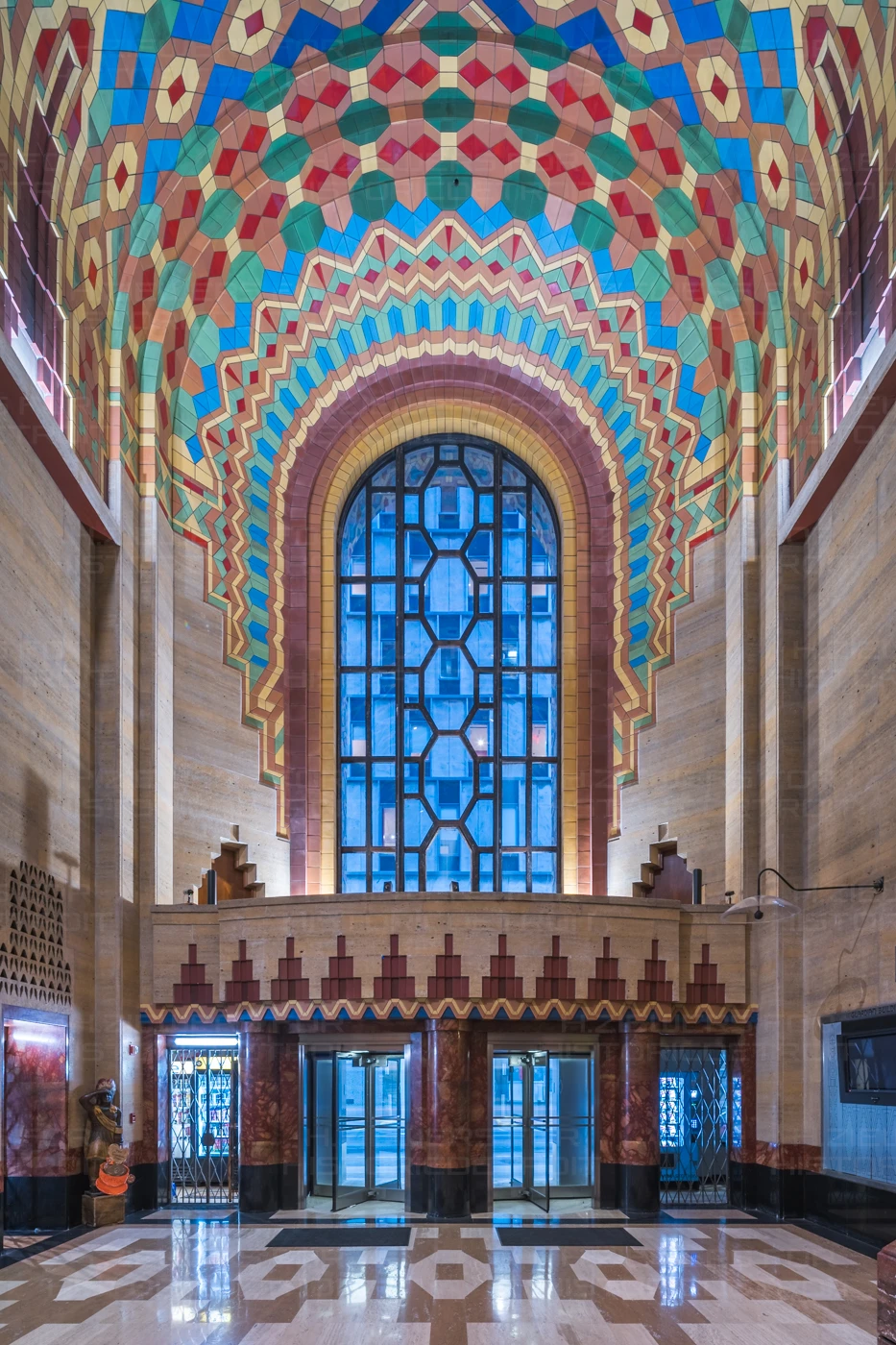
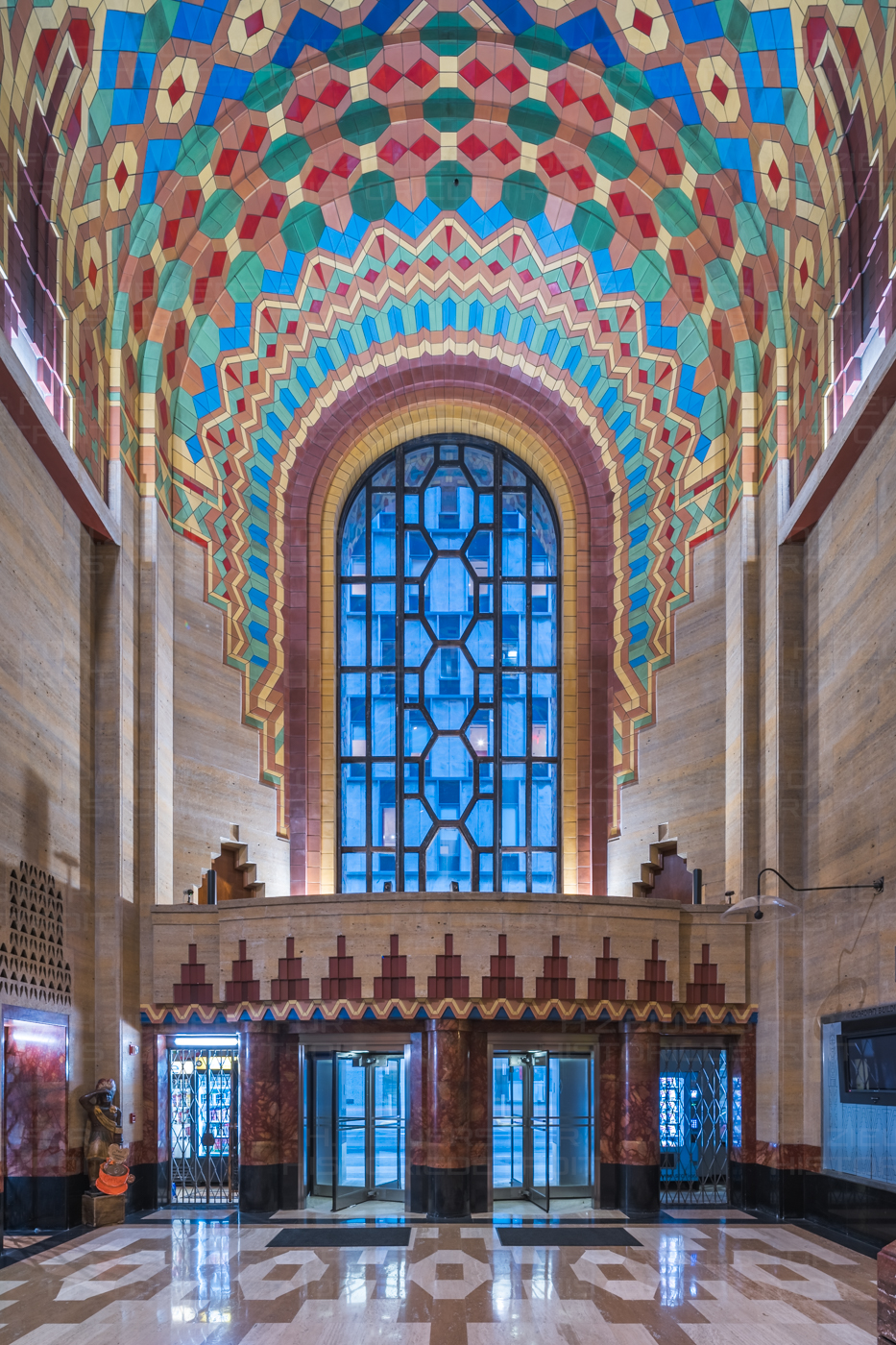
Guardian Building, Detroit
Originally built in 1929, the Guardian Building is often called the "cathedral of finance." It is one of the most striking monuments of American Art Deco.
The exterior of the building is clad in nearly two million bricks and orange-hued terracotta tiles. But the interior is especially striking: the main lobby is adorned with a three-story vault and vibrant mosaic tiles in primary colors.
For architect Wirt Rowland, color was a way to highlight the skill of the Great Lakes region's artisans while simultaneously expressing Detroit's economic confidence of the era.
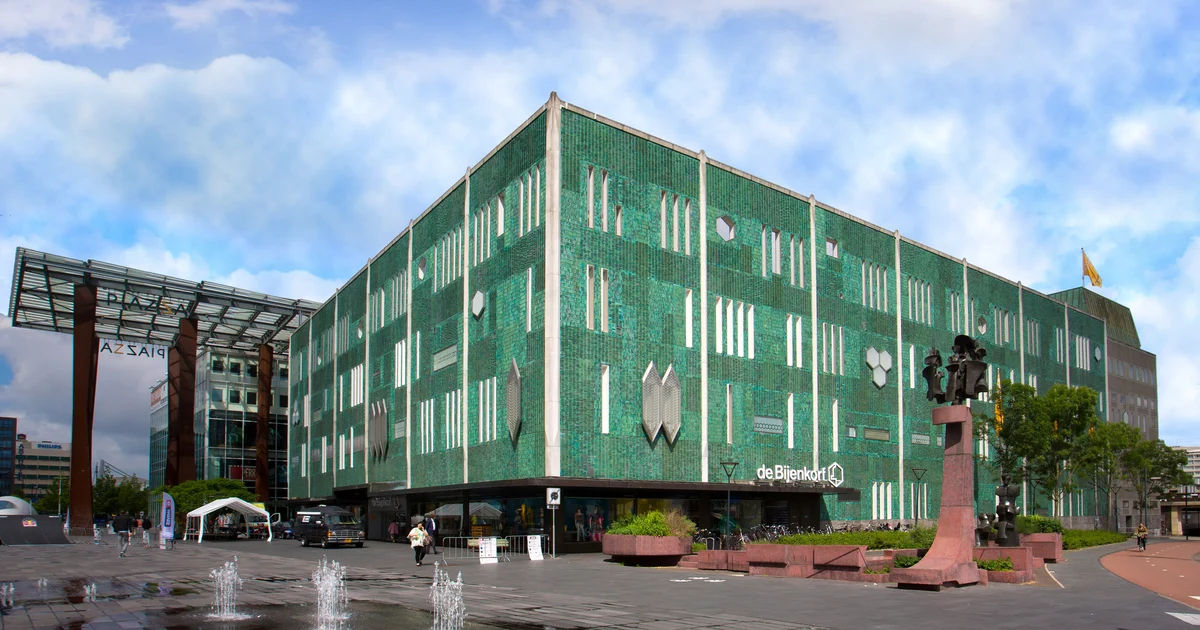
De Bijenkorf, Eindhoven
In 1969, Italian architect and designer Gio Ponti faced a challenging task: transform a large, virtually windowless department store into a prominent urban feature.
The result was a façade resembling a vast, shimmering emerald surface. According to one theory, Ponti was inspired by the view of Dutch agricultural fields seen from above.
Thus, an ordinary commercial building became an architectural icon in its own right—an example of how color can transform the perception of even the most utilitarian structure.
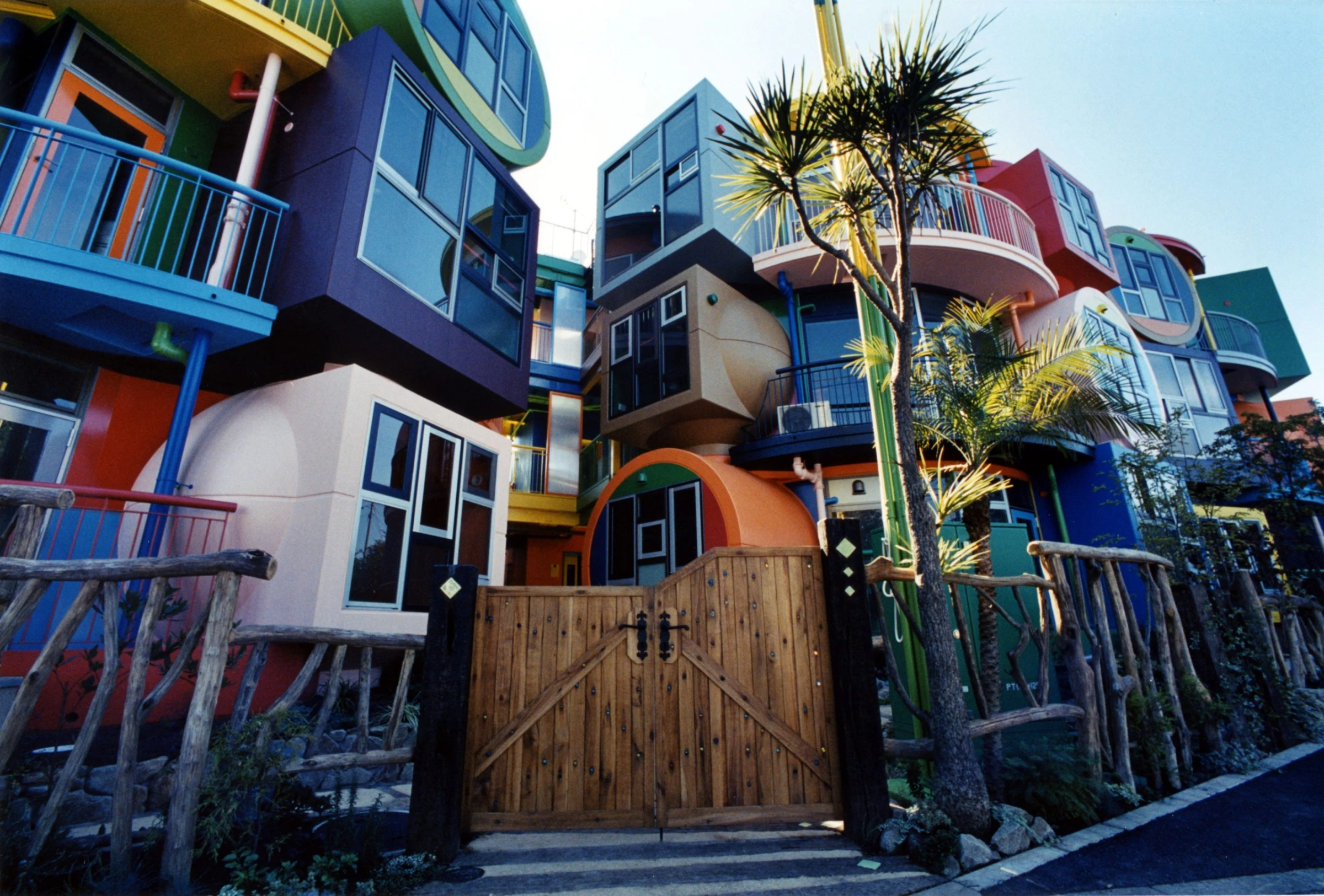
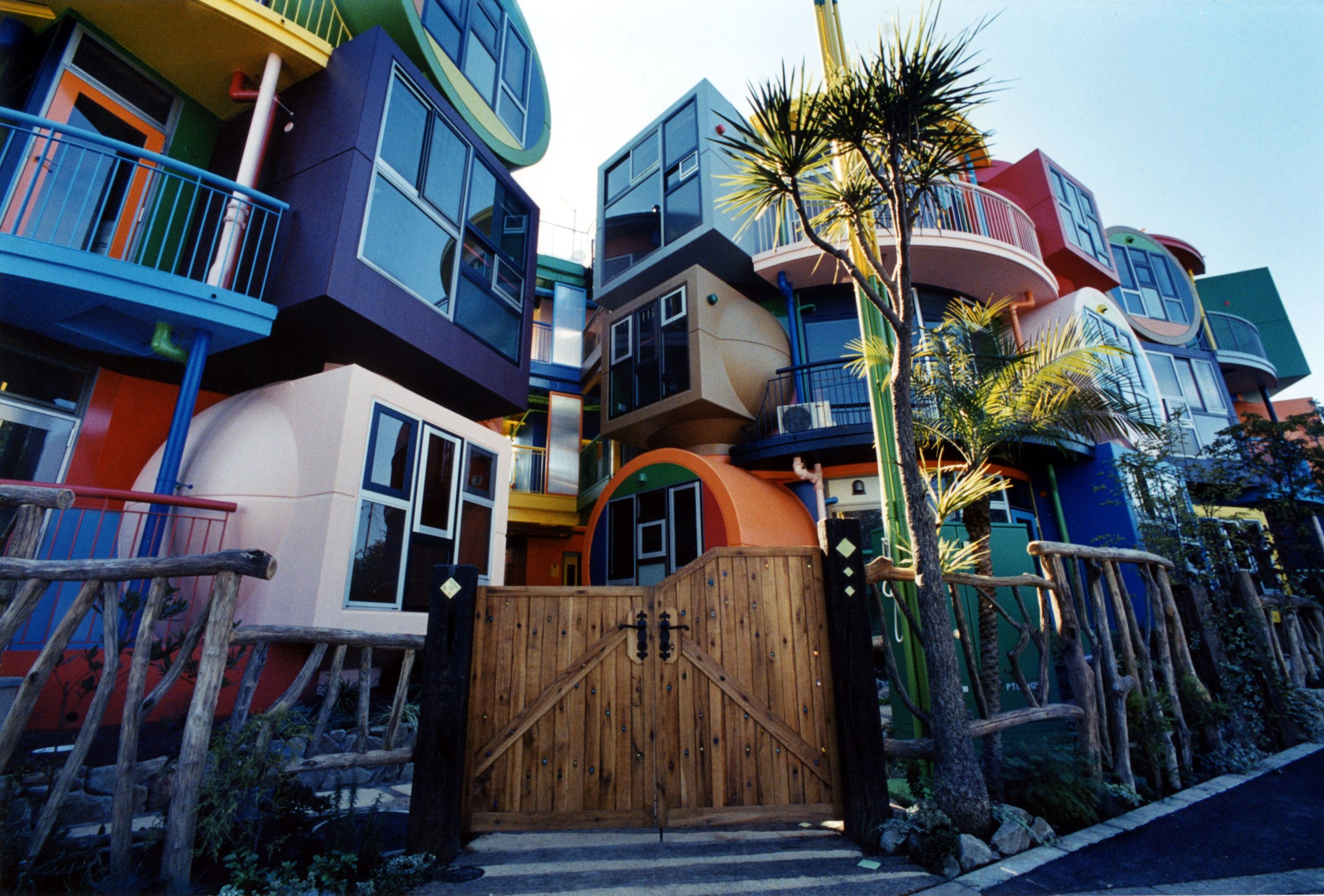
Reversible Destiny Lofts, Tokyo
This residential complex, designed by Shusaku Arakawa and Madeleine Gins in 2005, looks more like an experimental art installation than a traditional residential building.
Cylinders, cubes, and spheres are combined with uneven floors and unusual spaces, while saturated colors enhance the sense of constant movement. The architects deliberately wanted to disrupt the residents' usual sense of balance.
The idea behind this unusual approach was quite serious: to create a home environment so stimulating that people do not lapse into passive everyday life.
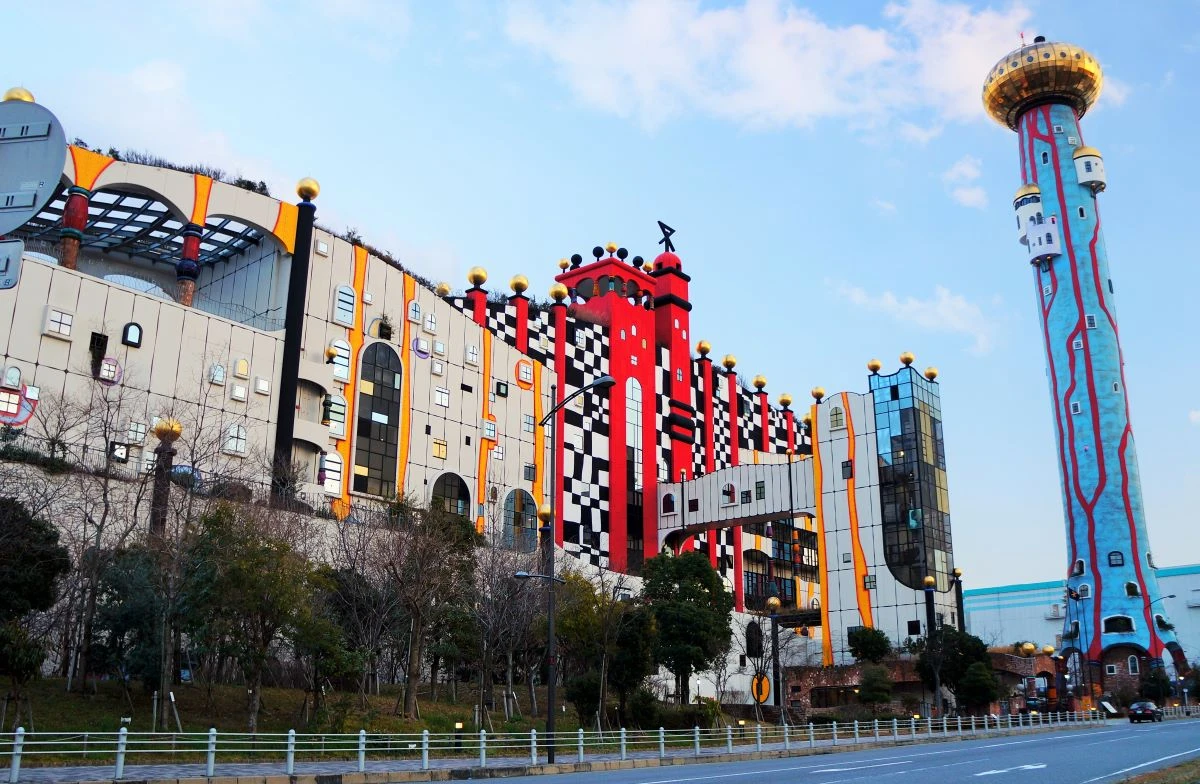
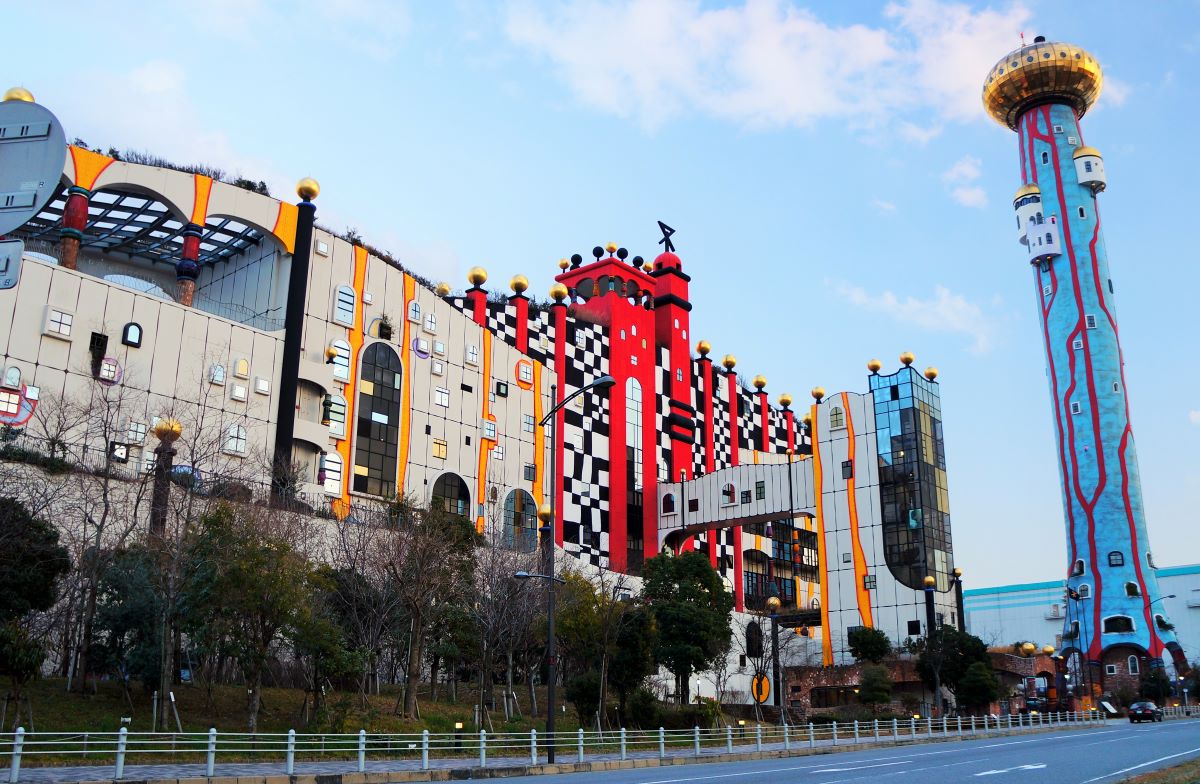
Maishima Waste Incinerator Plant, Osaka
Perhaps the most unexpected object in this collection is the Osaka Waste Incinerator Plant, designed by artist and architect Friedensreich Hundertwasser.
Rather than conceal the building's industrial function, Hundertwasser transformed it into part of a visual spectacle. Yellow stripes flow down the façade, red lines highlight the tall tower, and multicolored elements surround the structures standing on rounded supports.
The building resembles a fantasy castle and is so different from the usual image of industrial architecture that it is often mistaken for an amusement park. This is one of Hundertwasser's main principles—a rejection of strict geometry and the idea of a building as a faceless machine.
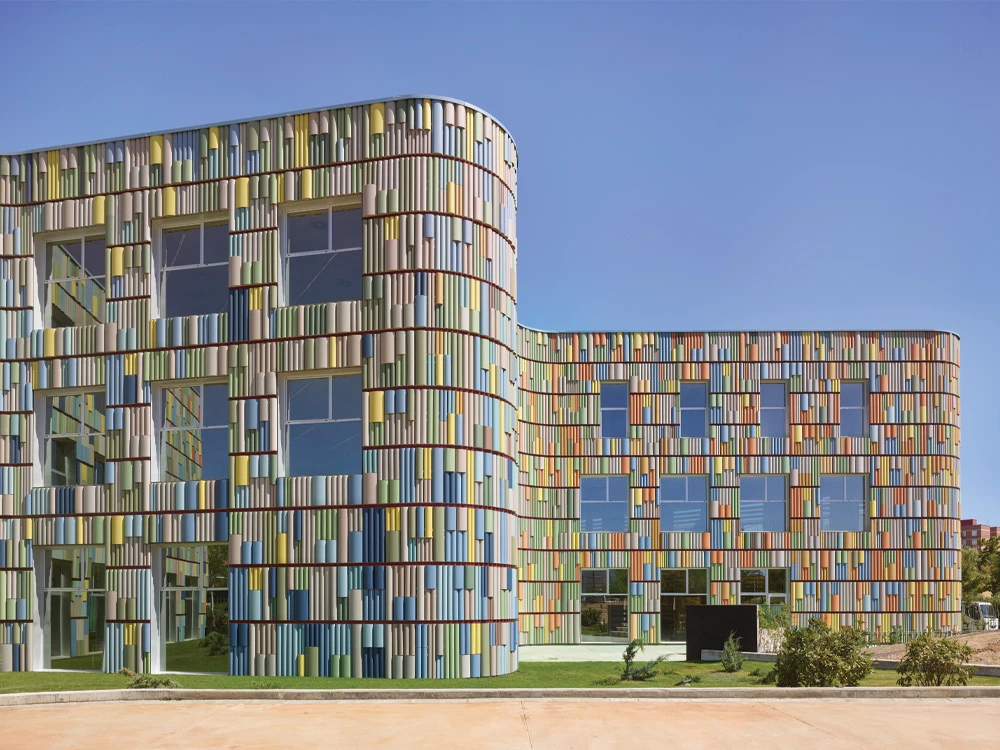
Leganés Central Library, Spain
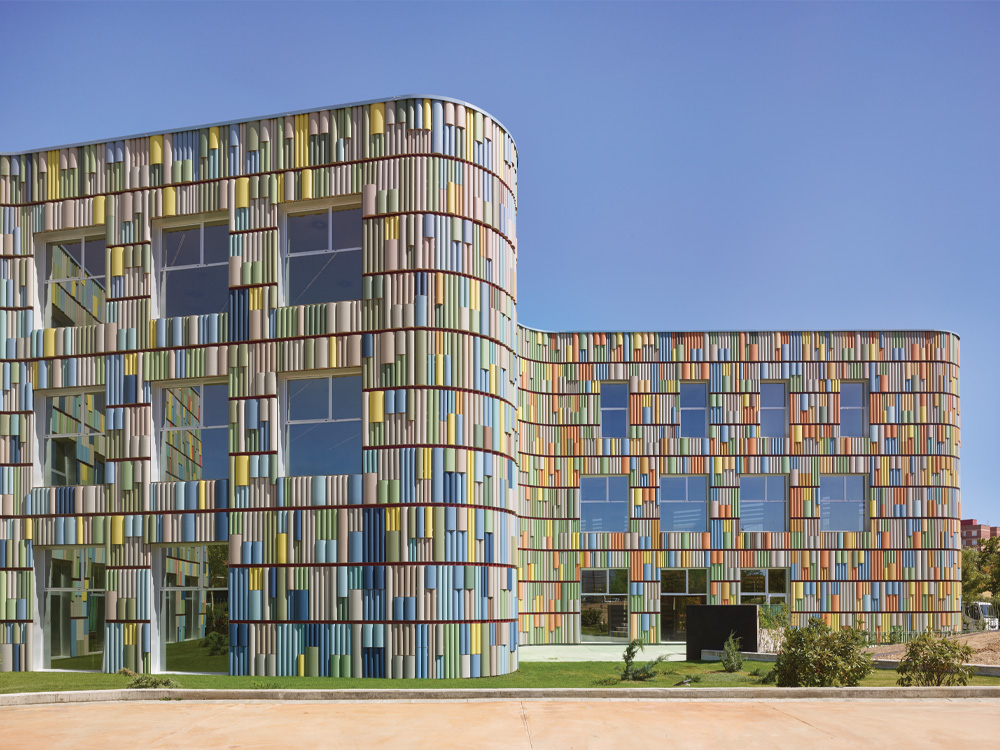
The Leganés Central Library, completed in 2019, literally transforms the building's contents into its exterior.
The rounded walls are covered with large ceramic elements in pastel shades. They create a façade reminiscent of stacks of books or pages assembled into a single architectural form.
For a new neighborhood lacking visible cultural landmarks, the library became not just a public institution but a recognizable landmark. In sunlight, the matte ceramics shift with the light, creating the impression of a paper surface.
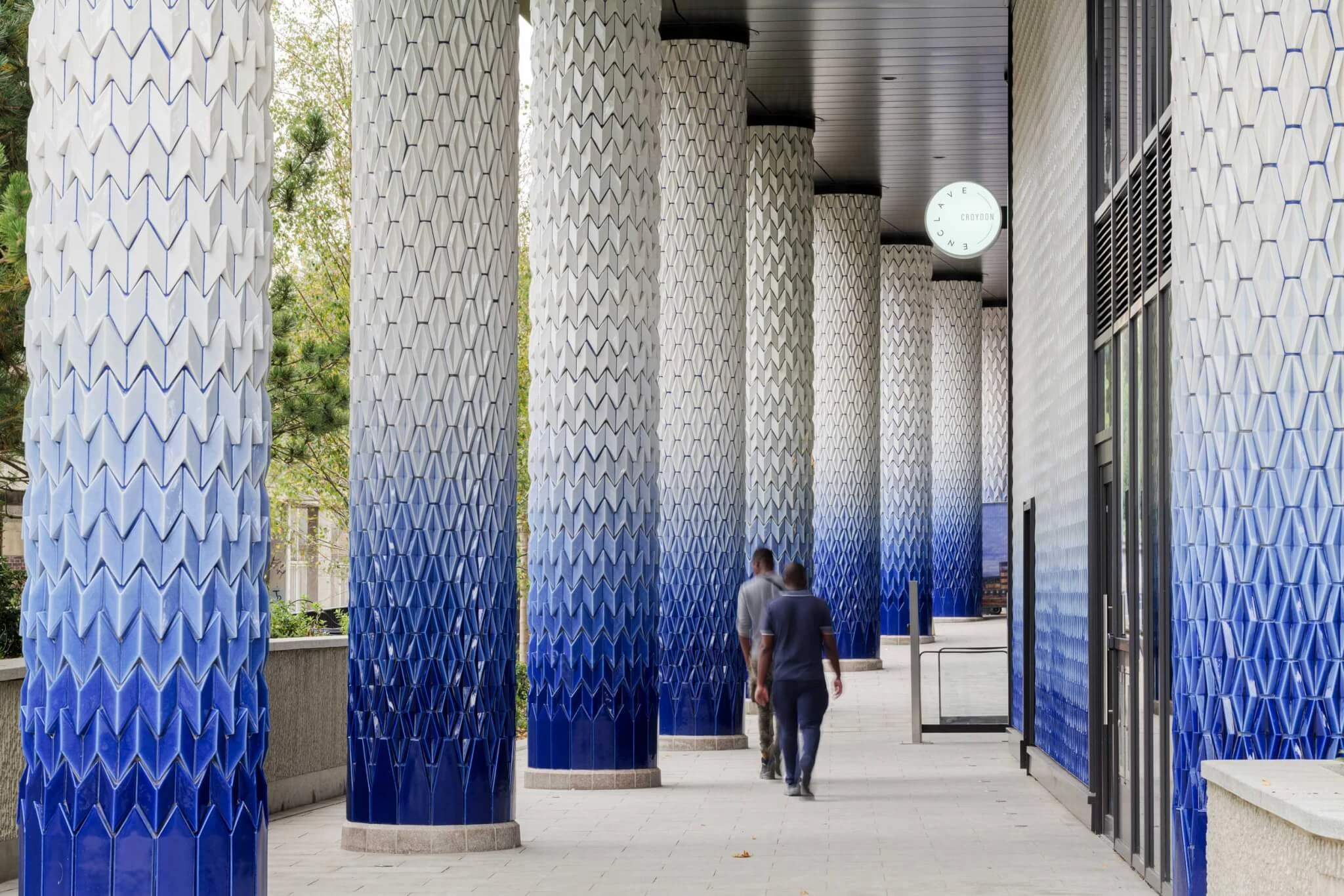
Croydon Colonnade, London
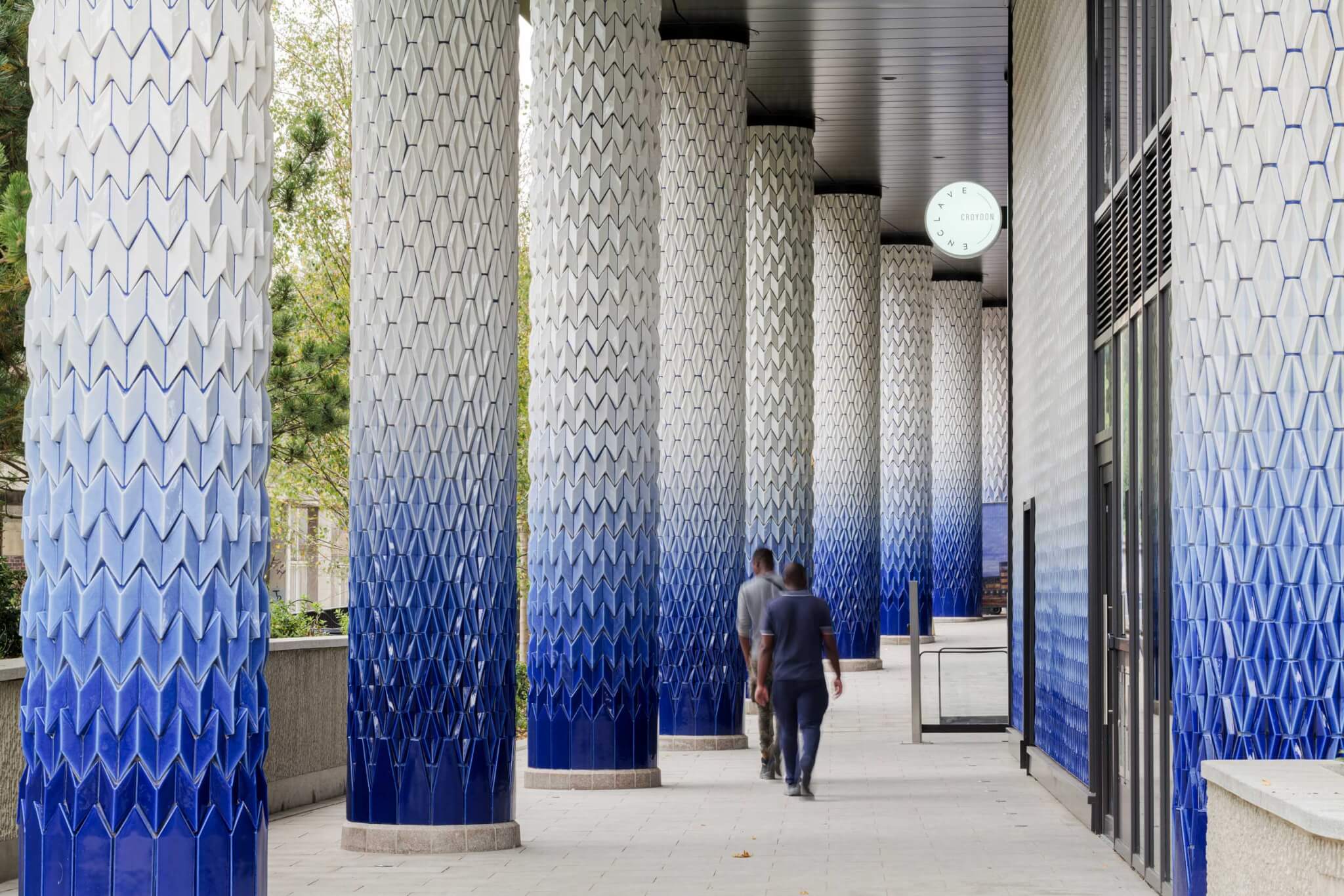
The final project is a pedestrian colonnade in Croydon designed by Adam Nathaniel Furman. The approximately 50-meter-long space consists of 16 massive columns and two walls clad with thousands of three-dimensional hand-blown porcelain tiles.
The color gradually shifts from a deep, underwater blue at the bottom to an almost creamy white at the top. As a result, an ordinary passageway near the station is transformed into a rich visual space.
Furman attributes this technique to the centuries-old tradition of using blue and white ceramics in architecture—from ancient Egypt and Babylon to Portugal, Turkey, and Iran.
These buildings are located in completely different countries and belong to different eras. Among them are a temple, a concert hall, a skyscraper, a department store, a residential complex, an industrial plant, a library, and a city colonnade. In each case, color helps define the building's character, tell its story, create a connection with the city, or redefine the experience of a familiar space. Perhaps this is why color is once again becoming one of architecture's most intriguing tools.