"Şeytan Prada Geyir" filminin bizə ilk dəfə göyümtül heç vaxt "sadəcə mavi" olmadığını öyrətməsindən təxminən iyirmi il sonra, davam filmi gəlir və bizi sadəcə nostaljik bir səyahətə aparmır. Bu, bir güzgüdür: kim olduğumuzun daha kəskin, daha müdrik və bir az daha təhlükəli bir əksidir.
Həmişə olduğu kimi, Nyu-York impuls verir. Milan cazibədardır. Geyimlər hələ də personajlardan əvvəl danışır.
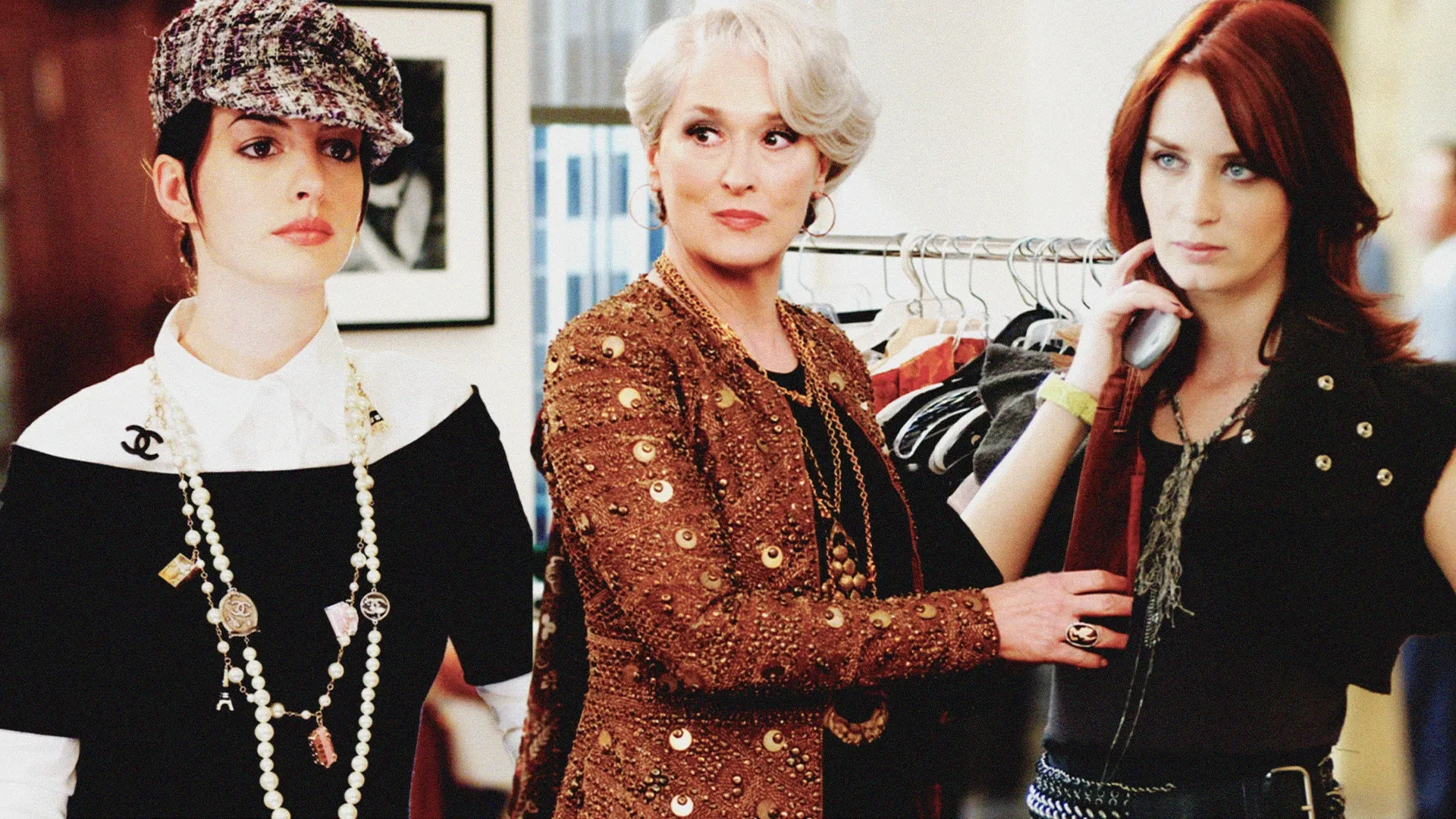
Dünya dəyişdikcə, "Şeytan Prada Geyir 2" personajları sadəcə canlandırmır, onları yenidən yerləşdirir. Meril Stripin Miranda Pristli artıq toxunulmaz mərmər deyil. O, hələ də dəhşətli dərəcədə dəqiqdir, hələ də intizam və sükutdan heykəltəraşdır, amma dabanlarının altındakı imperiya çatlayır. Çap azalır, səlahiyyət dəyişir və hətta ən ikonik redaktor belə təsirin redaksiya deyil, alqoritmik olduğu rəqəmsal dövrdə aktuallıq barədə danışıqlar aparmalıdır.
Enn Heteueydən Endi Saks bir vaxtlar tanıdığımız geniş gözlü köməkçi kimi deyil, bir vaxtlar qaçmış və indi qayıtmağın xəyanət, yoxsa transformasiya olduğuna qərar verməli olan bir qadın kimi geri qayıdır.

Və sonra Emili var. Emili Blant, bəlkə də, filmin ən valehedici təkamülünü təqdim edir: o, dəbə əmr edir. Onun Emili Çarltonu istehza ilə geyinmiş, kəskin və strateji gücdür.
Sonrakı filmin parlaqlığı uğuru romantikləşdirməkdən imtina etməsindədir. Runway artıq əvvəlki toxunulmaz məbəd deyil, dağılan media ekosistemində əhəmiyyətsizliklə mübarizə aparan bir köhnə brenddir. Ən cazibədar dünyanın ən az cazibədar qorxu, köhnəlmə ilə təqib olunduğu ideyasında demək olar ki, poetik bir şey var.
Miranda Pristlidə incə, demək olar ki, fəlsəfi bir dəyişiklik var. O, hələ də zövqün ali kahinidir. Amma indi o, danışıqlarda mövcuddur. Bir vaxtlar mütləq olan avtoritet indi şərtidir və onu həmişəkindən daha maraqlı edir. Əsl güc özünü itirmədən uyğunlaşmaq qabiliyyətidir, əmr etmək qabiliyyəti deyil.

"The Devil Wears Prada 2" narahatedici suallar verir:
Ambisiyanı üstələmək mümkündürmü, yoxsa sadəcə inkişaf edir?
Uğurdan qaçdıqdan sonra geri qayıtmağa dəyərmi?
Bəlkə də ən əsası, sizi müəyyən edən sistem olmadan kimsiniz?
Müəllif: Cəmalə Naxçıvani, Global Art jurnalının baş redaktoru