
Ümumi sağlamlığınızı həqiqətən yaxşılaşdıran bir pəhriz haqqında düşünərkən, yeməklərinizə iltihab əleyhinə qidalar əlavə etməyi düşünməlisiniz.
Dietoloq-qidalanma mütəxəssisi və sağlamlıq köşə yazarı Sofi Janvierin qeyd etdiyi kimi, iltihab əleyhinə pəhrizin elmi cəhətdən sübut edilmiş bir çox faydası var. Janvier deyir: "Daha çox canlılıq, daha yaxşı həzm rahatlığı, daha az oynaq ağrısı, daha sabit qan şəkəri səviyyəsi və sağlam çəki saxlamaq üçün idealdır. Bu, sağlamlığın qarşısının alınması üçün, eyni zamanda endometrioz, ekzema və ya sızanaqdan əziyyət çəkdiyiniz zaman idealdır."
Mount Sinai-də ambulator klinik qidalanma koordinatoru olan RD Abigail Collen əlavə edir ki, kəskin iltihab normal bədən fəaliyyəti üçün vacibdir, çünki o, immunitet sistemimizə stress faktoruna cavab vermək üçün siqnal kimi çıxış edir. Problem xroniki iltihaba çevrildikdə yaranır. Collen deyir: "Xroniki iltihab hüceyrələrə, toxumalara və orqanlara zərər verir. Ürək-damar xəstəlikləri, diabet, xroniki böyrək xəstəliyi, MASLD və digər xəstəliklər üçün zəmin yaradır."
O, həmçinin izah edir ki, fərdi qidalar iltihaba səbəb olmur. İltihabın əsl səbəbləri çoxlu kalori, çoxlu şəkər və ya çoxlu doymuş yağ ehtiva edən pəhriz tərzləridir. "Qida müxtəlif yollarla iltihaba səbəb ola bilər", - deyə qeydiyyatdan keçmiş diyetoloq və Factor şirkətinin qidalanma rəhbəri Kara Kaş razılaşır. "Məsələn, bəzi yüksək şəkərli qidalar qan şəkərinin sürətlə artmasına səbəb olur və bu da bədəndə iltihabi kimyəvi maddələrin toplanmasına səbəb olur. Bəzi yüksək dərəcədə emal olunmuş yağlar isə hüceyrə zədələnməsinə və bağırsaq qıcıqlanmasına səbəb olur."
Qarabaşaq
"Bu, yeni kinoadır", - deyə Janvier bildirir. "Bu qədim dənli bitki anın ulduzudur. Və biz bunun səbəbini başa düşürük: o, lif, antioksidantlar, bitki zülalları ilə zəngindir və qlütensizdir. Lif bizə mikrobiotamızdakı faydalı bakteriyaları müsbət şəkildə "qidalandırmağa" imkan verir ki, bu da sonra iltihab əleyhinə maddələr istehsal edəcək. Və bu, hamısı deyil: Lif tərkibi sayəsində bu dənli bitkinin düyü və ya makarondan daha aşağı qlisemik indeksi var."
Kefir
"Bu fermentləşdirilmiş içki təbii probiotikləri, başqa sözlə, mikrobiomumuzu inkişaf etdirəcək canlı bakteriyaları ehtiva edir və onun daha zəngin və daha müxtəlif olmasına kömək edir", - deyə Janvier bildirir. “Lakin sağlam mikrobiom sağlamlığımıza bir çox müsbət təsir göstərir: daha yaxşı həzm, gücləndirilmiş immunitet, sağlam dəri, yaxşı zehni sağlamlıq... Mikrobiota pozulduqda, bu, bağırsaq keçiriciliyini və buna görə də qanda endotoksinlərin keçməsini təşviq edir ki, bu da iltihab reaksiyasına səbəb olur.”
85% kakao ilə tünd şokolad
“Mən onu ucadan və aydın şəkildə elan edirəm ki, şokolad sağlamlığınız üçün faydalıdır”, deyə Janvier bildirir. Kakao ilə zəngin (ən azı 85%) və çox şirin olmayan məhsul seçdiyiniz müddətcə. Əslində onun faydalarından məsul olan kakao tərkibidir. Bitki dünyasında ən zəngin antioksidant səviyyələrindən birinə, minerallara, lif və iltihab əleyhinə maddə olan teobrominə malik olduğundan qida xəzinəsidir. Sızanaqlarınız varsa, panik etməyin, 85% kakao ilə 4 kvadrat tünd şokolad problem yaratmayacaq. Əksinə, süd və ya ağ şokoladlar çox şirindir və iltihabı artıra bilər.”
Əlavə Bakirə Zeytun Yağı
Zeytun yağının faydaları sonsuz görünür və Kaş onun qidalandırıcı güc mənbəyi olduğunu, xüsusən də əlavə bakirə yağ olduğunu deyir. "Tərkibində oleokantal da daxil olmaqla, iltihab əleyhinə xüsusiyyətlərə malik bir neçə güclü birləşmə var", deyə o bildirir. Və istənilən yeməyə ləzzət qatır, buna görə də sağlam və ləzzətli bir şey əldə edirsiniz.
Sardinalar
Konservləşdirilmiş balıqlar sadəcə bir anlıq vaxt keçirmir; onlar bütün yeməklərimizi daha sağlam etmək üçün qida maddələri ilə zəngindir. Kaşın sözlərinə görə, sardina xüsusilə əhəmiyyətli iltihab əleyhinə faydalar verir, çünki onlar omeqa-3 yağ turşuları ilə zəngindir. O izah edir ki, omeqa-3-lər bədənə birləşmələr istehsal etmək üçün siqnal verir və iltihab yollarını bağlamağı əmr edir. Üstəlik, sardina tez-tez əlavə bakirə zeytun yağı ilə qablaşdırılır, buna görə də əlavə iltihab əleyhinə faydalar əldə edirsiniz.
Yarpaqlı Göyərtilər
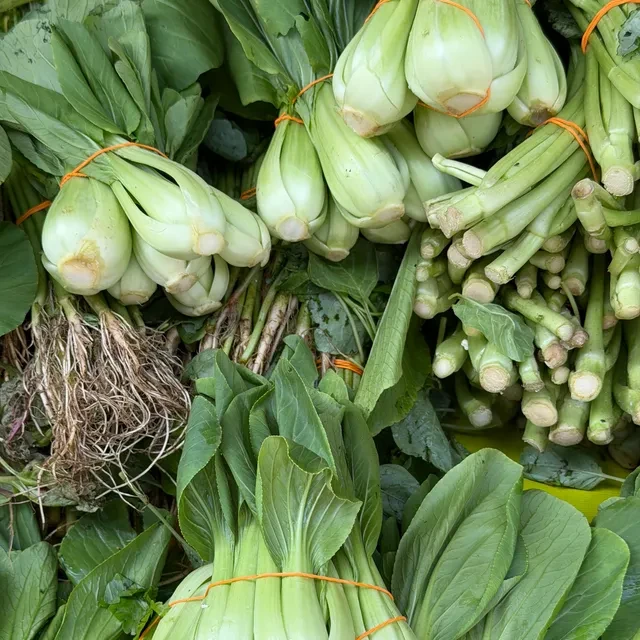
Yarpaqlı göyərtilərlə heç vaxt səhv etmək olmaz. Kaş deyir ki, onlar stress və iltihaba səbəb olan sərbəst radikalları neytrallaşdırmaq və ümumilikdə immunitet sisteminizi gücləndirməyə kömək etmək üçün polifenollar və flavonoidlər kimi antioksidanlarla zəngindir. Collen əlavə edir ki, onlar da zəngindir. omeqa-3-lərdə.
Zerdeçal
Kaş izah edir ki, zerdeçalın tərkibində iltihab əleyhinə xüsusiyyətləri ilə tanınan (və ədviyyata parlaq sarı rəng verən) kurkumin adlı spesifik polifenol növü var. "Kurkumin hüceyrələrinizdəki iltihab siqnallarını söndürməyə kömək etməklə qalxan kimi təsir göstərir", o deyir. "Onu bir çimdik qara istiotla birləşdirmək bədəninizin bütün təbii yaxşılığını mənimsəməsinə kömək edir."
Yağlı Balıq
Yarpaqlı göyərtilər kimi, Kollen də yağlı balıqların omeqa-3 ilə zəngin olduğunu və iltihaba kömək edə biləcəyini söyləyir. Onlar həmçinin antioksidantlarla zəngindir və o deyir ki, bu da xroniki iltihabla baş verən hüceyrələrimizə, toxumalarımıza və orqanlarımıza zərər verən oksidləşdirici stressin qarşısını almağa kömək edir.