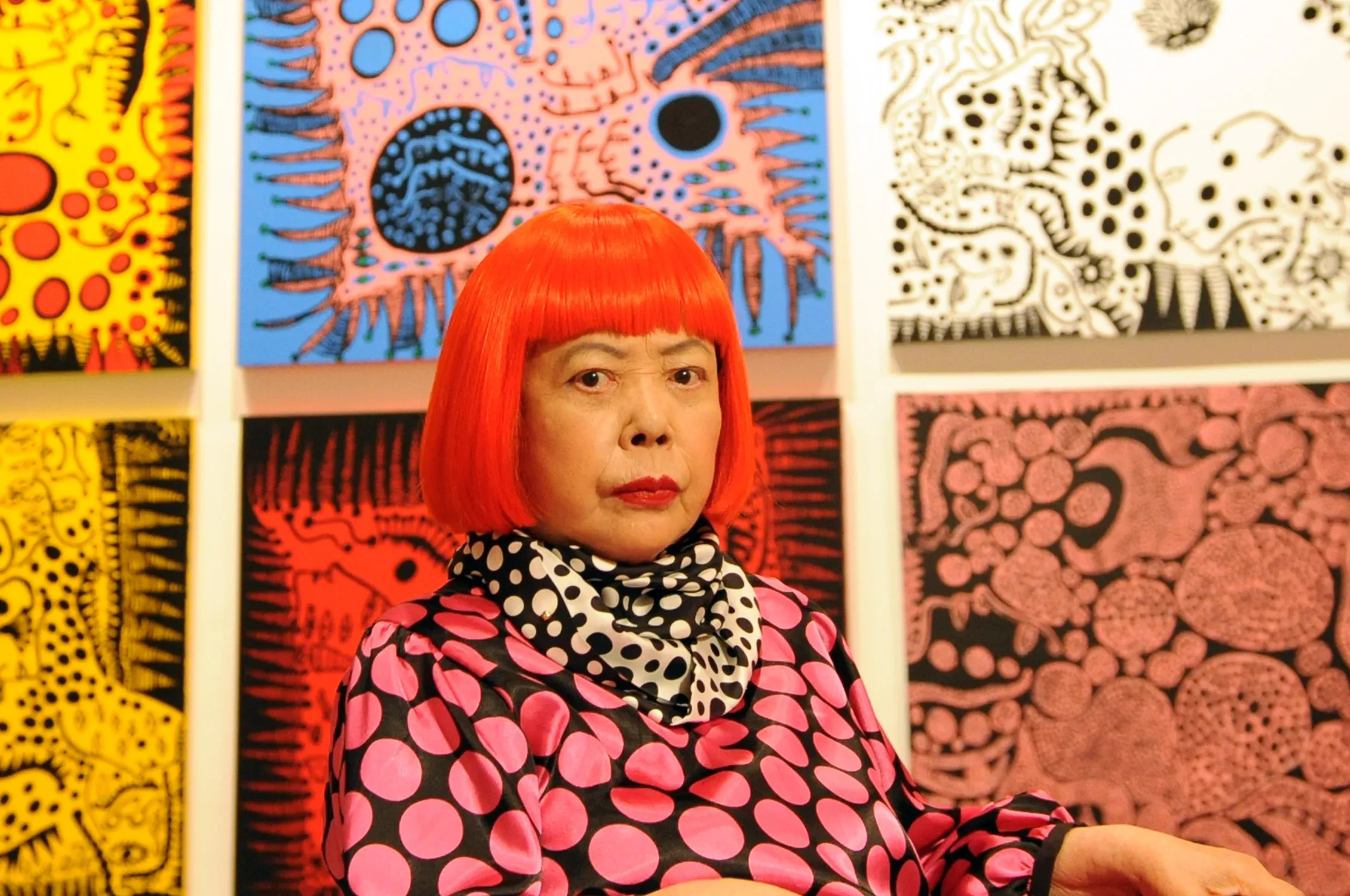
Sənət əsərləri yaradan sənətkarlar var. Və zamanla öz qanunları, ritmləri, simvolları və koordinat sistemi ilə bütöv bir kainat yaradanlar da var. Yayoi Kusama məhz belə bir sənətkar idi.
14 avqust 2026-cı ildə müasir incəsənətin ən tanınan simalarından biri Tokioda vəfat etdi. Yayoi Kusama 97 yaşında idi. Onun ölümünü onun əsərlərini təmsil edən qalereyalardan biri olan David Zwirner elan etdi. Və bəlkə də Kusamanın vida mərasimi üçün sonsuzluqdan daha uyğun bir obraz tapmaq çətin olardı, çünki onun bütün həyatı görünəndən kənarı görmək cəhdi idi: insanla məkan, tək ilə sonsuz arasında, reallıqla daxilində mövcud olan dünya arasındakı sərhədi aradan qaldırmaq.
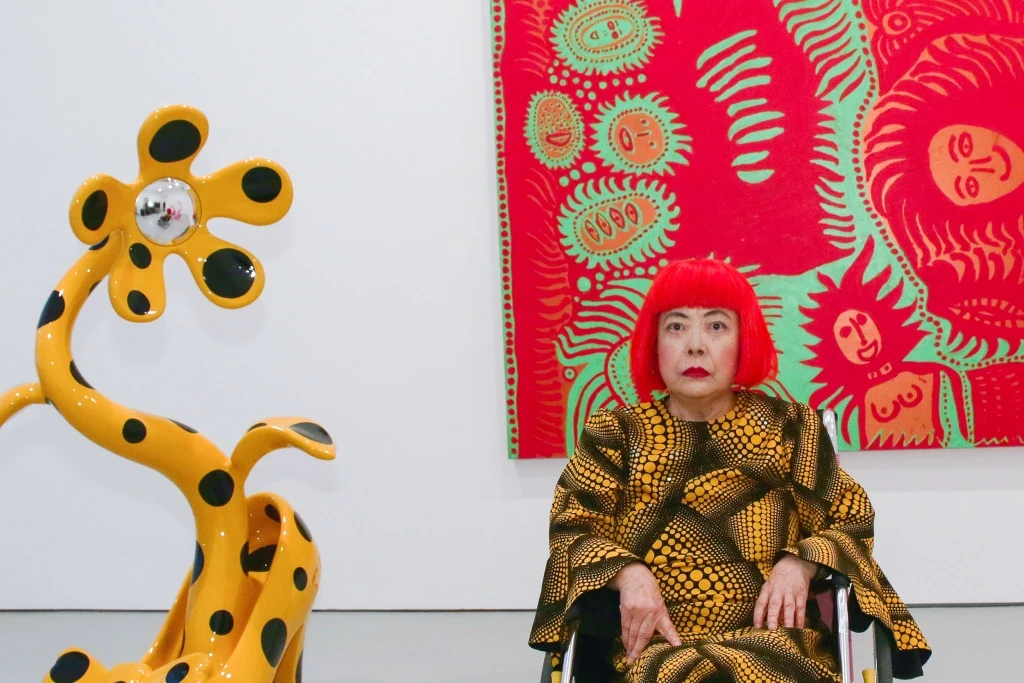
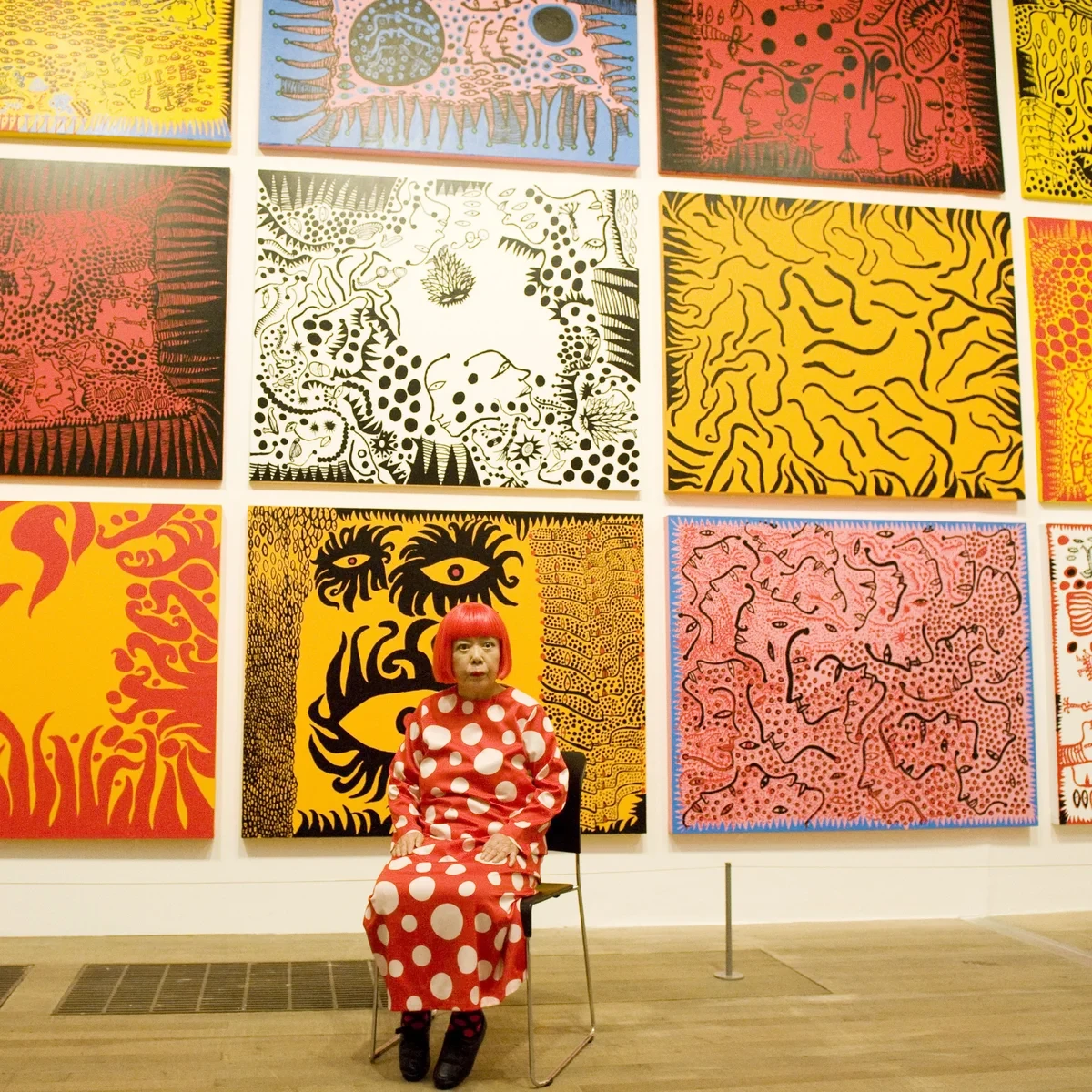
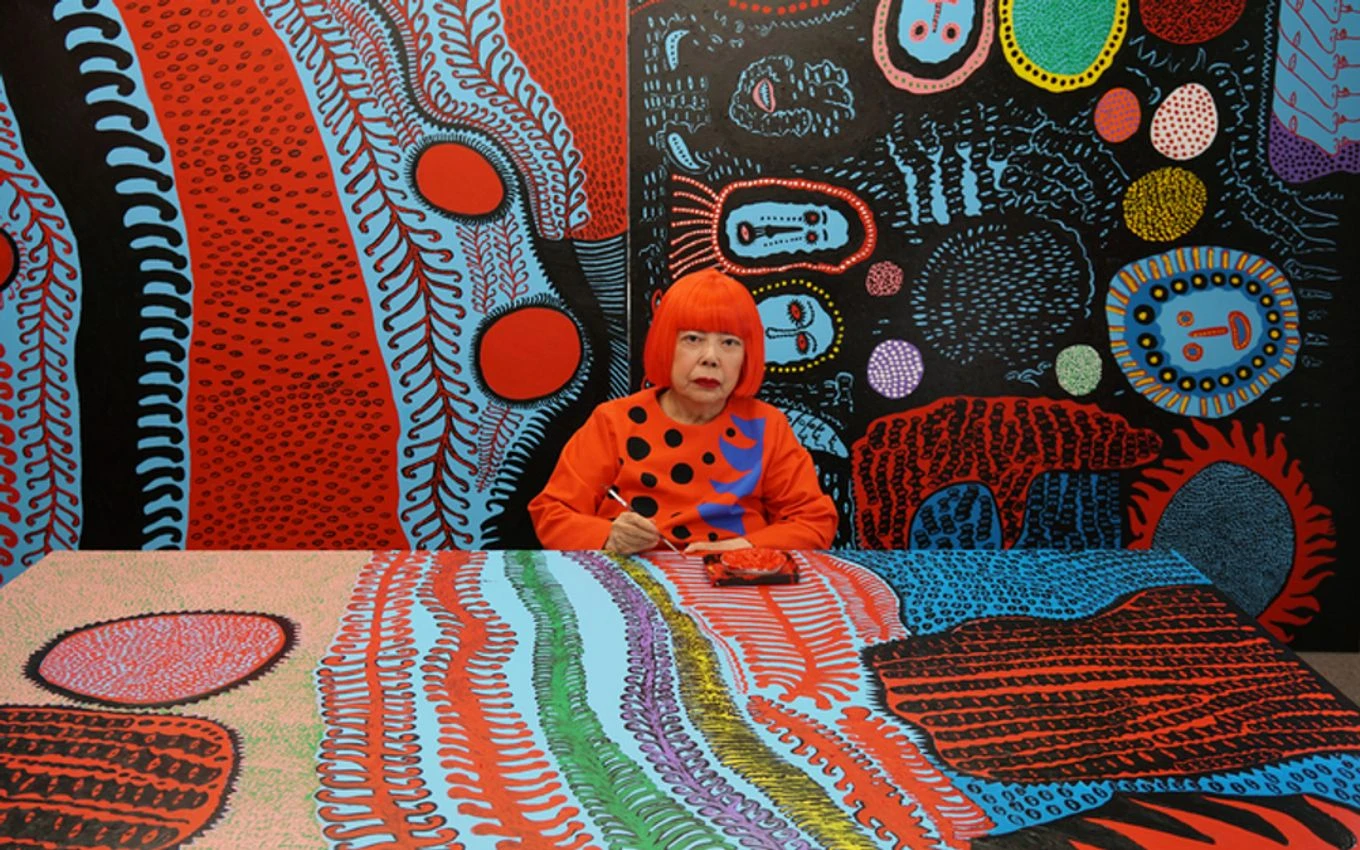
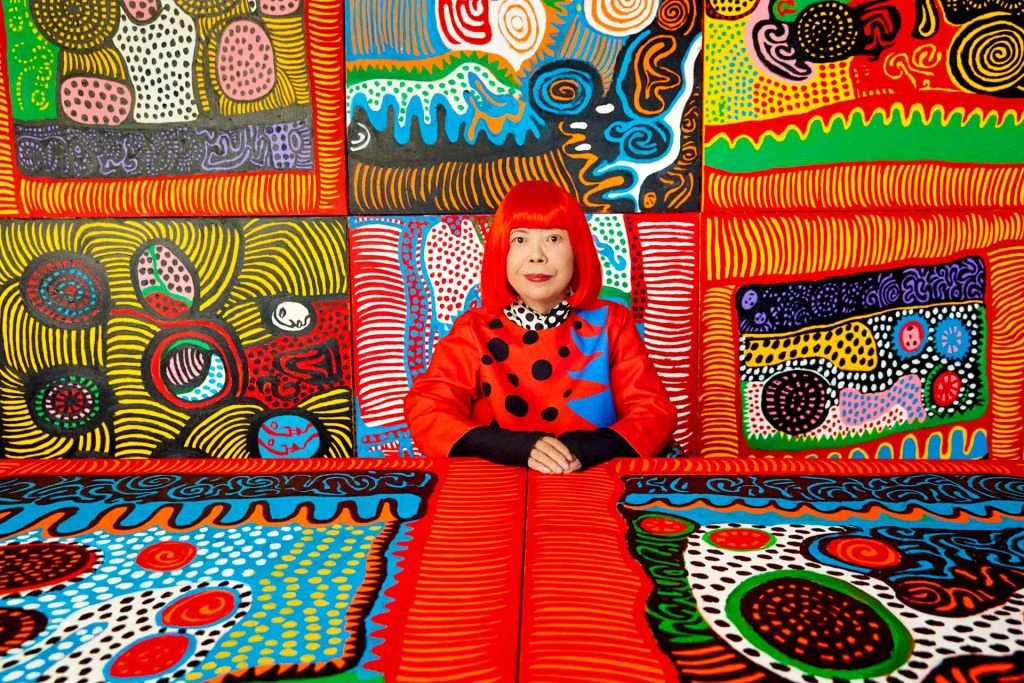
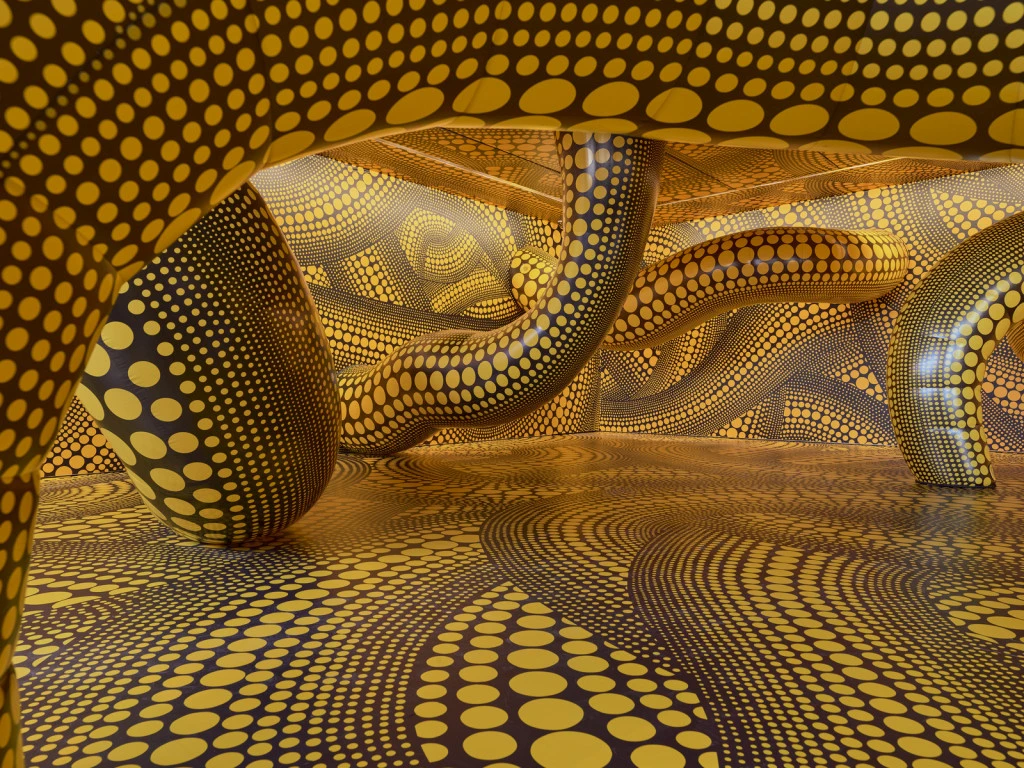
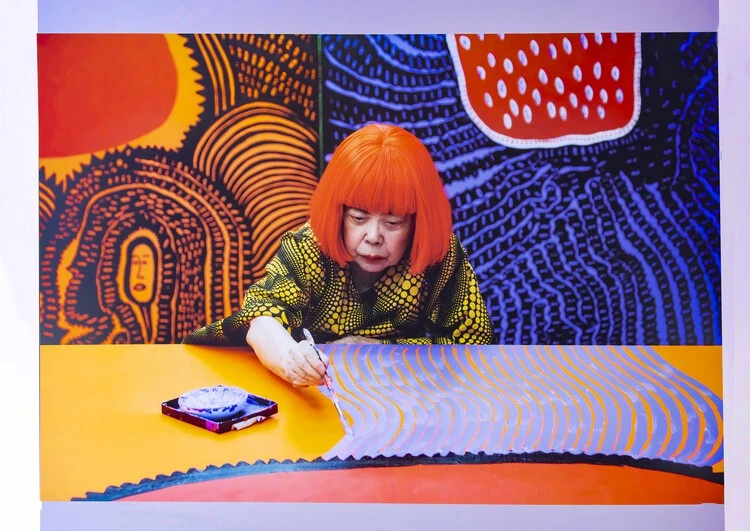
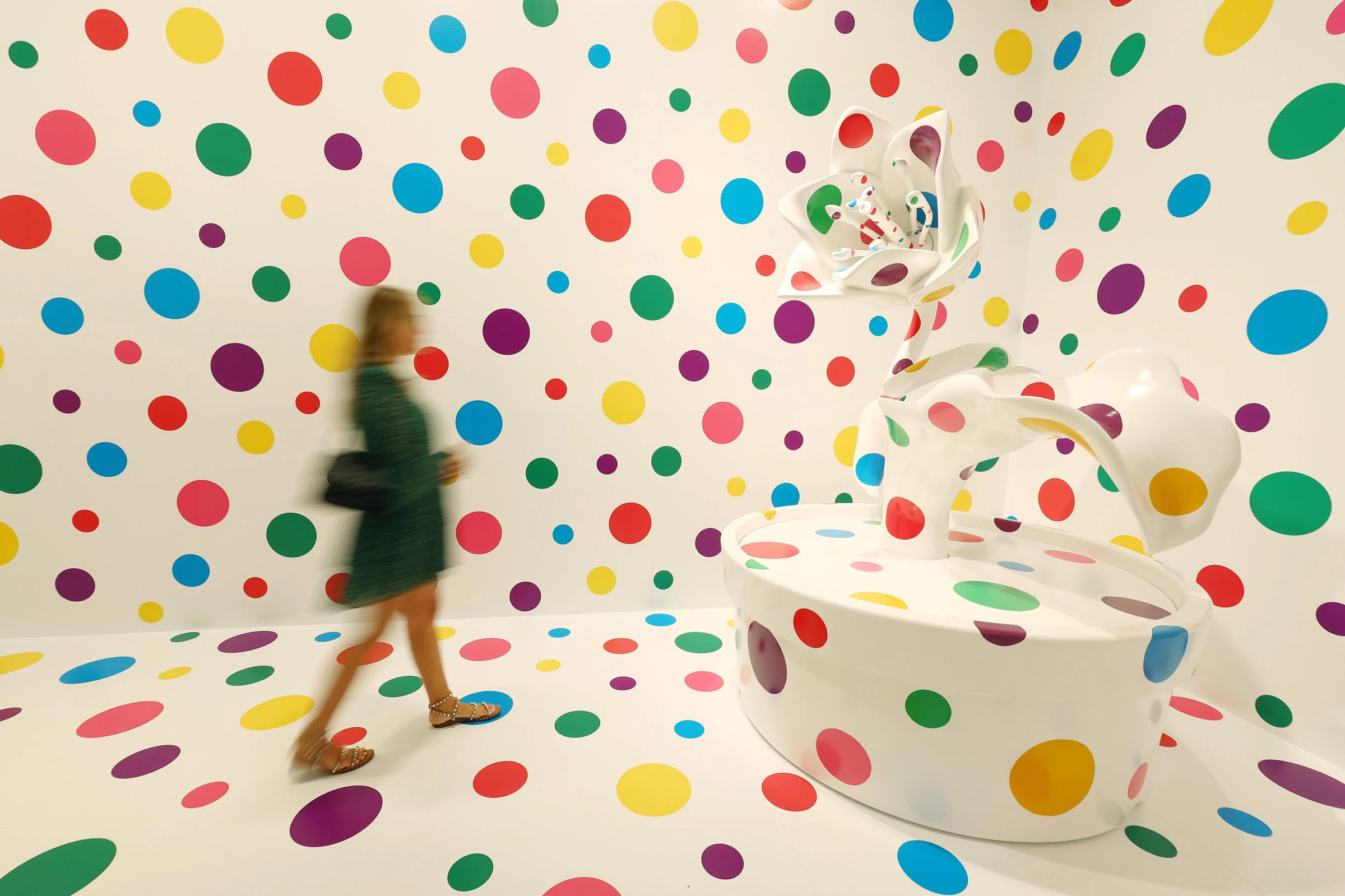
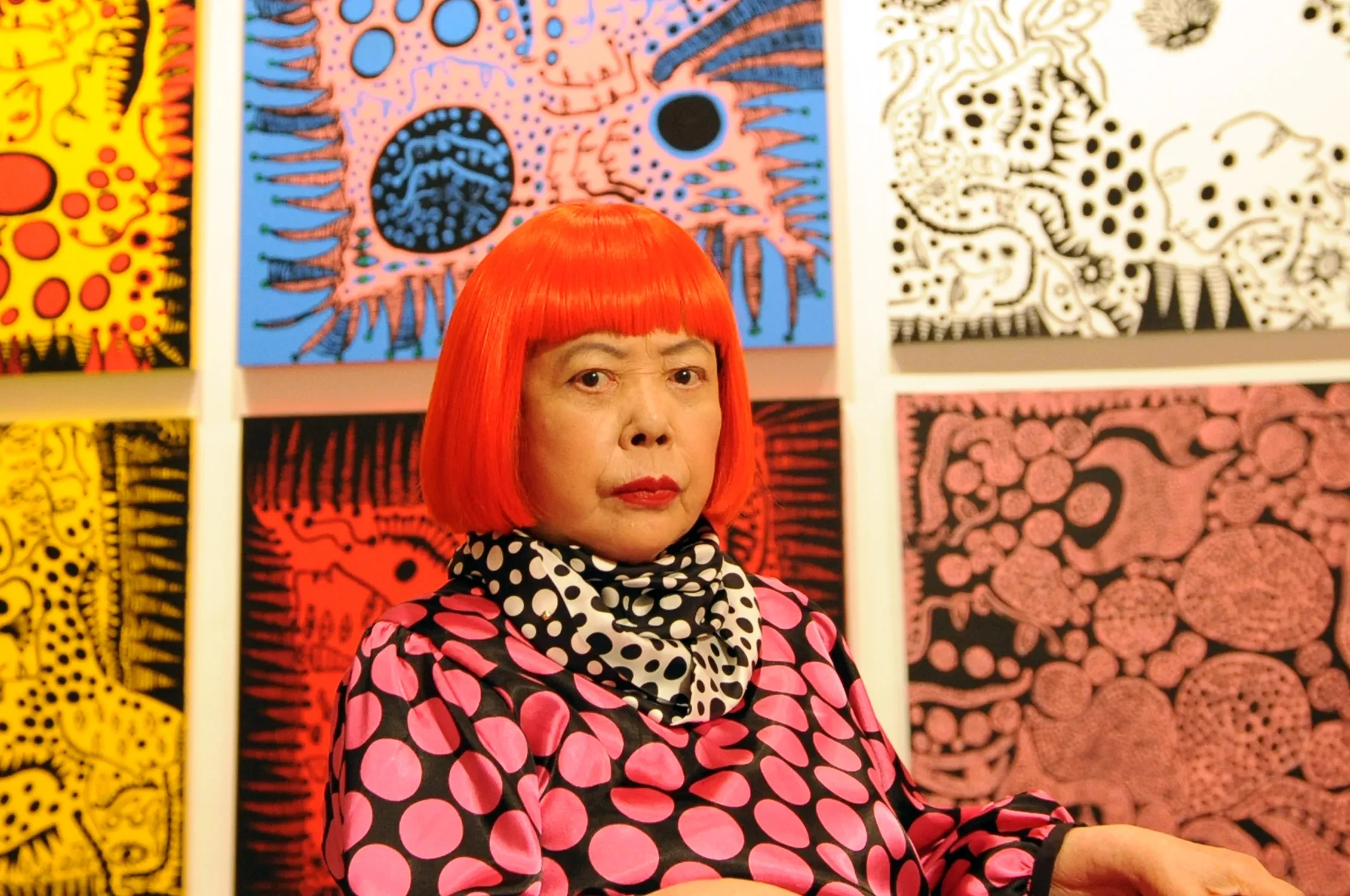
Kusama 22 mart 1929-cu ildə Yaponiyanın Matsumoto şəhərində anadan olub. Hətta uşaq ikən vizual halüsinasiyalar yaşayırdı ki, bu da sonradan onun bədii dilinin mənbələrindən birinə çevrildi. Onun kətanlarını, heykəllərini, otaqlarını və əşyalarını örtən məşhur nöqtələr dekorativ bir vasitə kimi yaradılmayıb. Kusama üçün onlar sonsuzluğu təmsil etmək üçün bir yol idi - fərdi insan fiqurunun tədricən yox olduğu bir sonsuzluq. O, ilk rəsmlərini "Sonsuzluq Torları" adlandırırdı. Bunlar demək olar ki, tamamilə təkrarlanan bir naxışla əhatə olunmuş geniş səthlər idi. Nöqtə ardınca nöqtələr, xətlər ardınca xətlər, təsvirin başlanğıcı və ya sonu yox idi. Bu, Kusamanın sənətinin əsas xüsusiyyətlərindən biri idi: o, təkrarı bir azadlıq formasına çevirdi.
1957-ci ildə rəssam ABŞ-a səyahət etdi və tezliklə Nyu-Yorka köçdü və burada özünü avanqard sənət səhnəsinin mərkəzində tapdı. O, Donald Cadd, Endi Uorhol və Amerika sənətindəki digər mühüm simalarla əlaqə qurdu. Lakin Kusamanın tanınma yolu asan deyildi. O, fiziki və maliyyə imkanlarının həddi daxilində çalışdı, seksizm və irqçiliklə üzləşdi və uzun müddət ətrafındakı kişi rəssamlardan daha az tanındı. Buna baxmayaraq, onun ideyaları dayanılmaz idi.
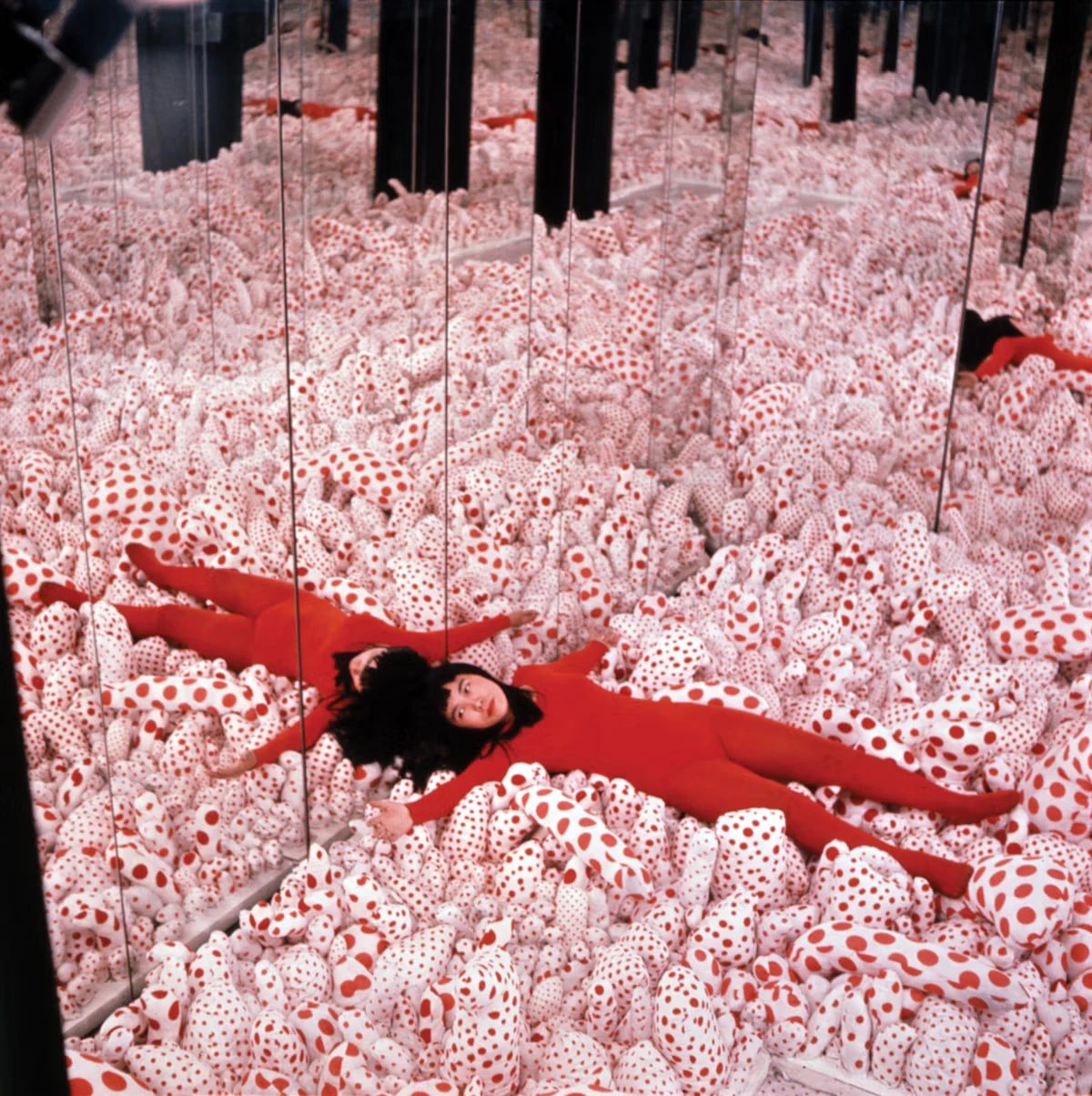
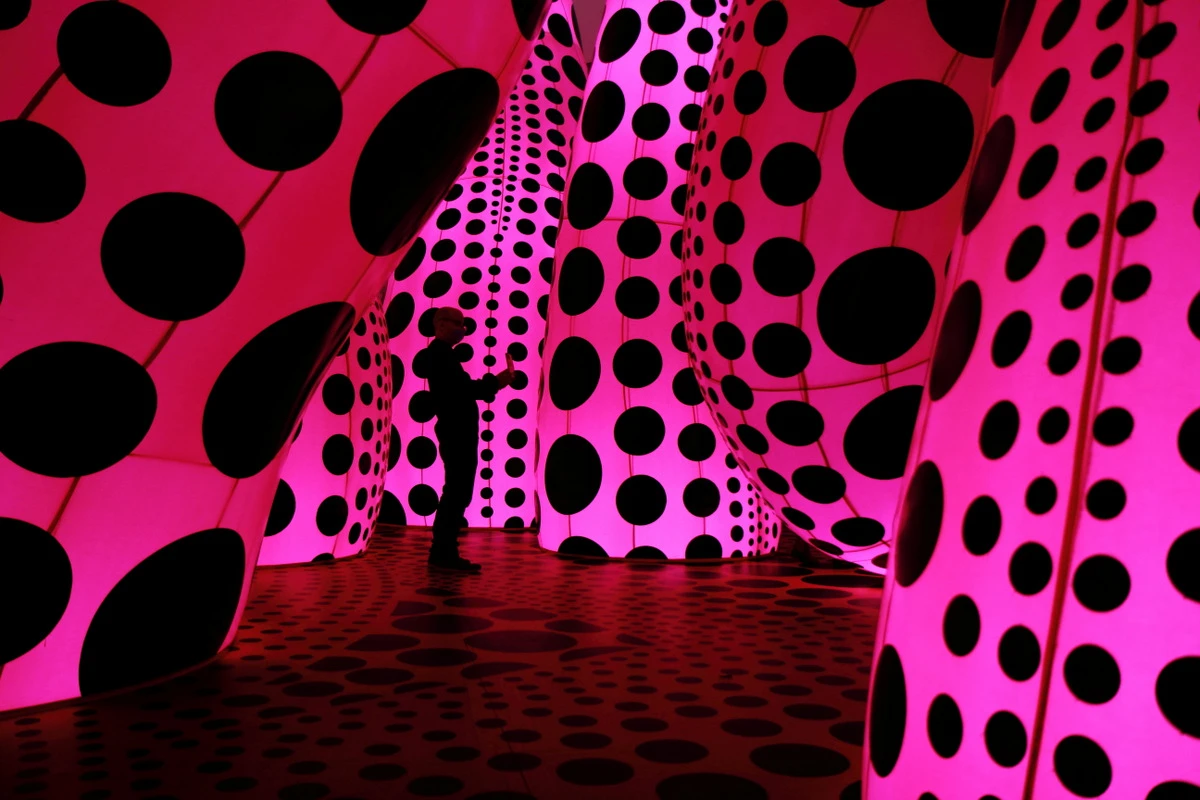
1960-cı illərdə Kusama rəssamlıqdan daha da genişləndi. O, bədən, güzgülər, yumşaq əşyalar və təkrarlanan formalarla işləyərək heykəllər, tamaşalar və təxribatçı hadisələr yaratdı. Onun sənəti tədricən kənardan baxılan bir rəsm olmaqdan çıxdı və izləyicinin girməsi gözlənilən bir məkana çevrildi.
Beləliklə, onun məşhur Sonsuzluq Güzgü Otaqları - işıq, əkslər və saysız-hesabsız təkrarların sonsuz bir kainatda olmaq hissini yaratdığı güzgülü məkanlar ortaya çıxdı. Bu otaqlarda insan birdən-birə həm nəhəng, həm də əhəmiyyətsiz olur. Özünüzü görürsünüz və sonra yüzlərlə əksin arasında dərhal özünüzü itirirsiniz. Otağın harada bitdiyini, güzgünün harada başladığını və ya sərhədlərinin mövcud olub-olmadığını müəyyən etmək mümkün deyil. Buna görə də Sonsuzluq Güzgü Otaqları sadəcə instalyasiyalardan daha çox şeyə çevrildi. Onlar müasir incəsənətin əsas vizual simvollarından birinə çevrildi.
Lakin səthi parlaqlığın, qırmızı və sarı nöqtələrin, güzgülü otaqların, nəhəng balqabaqların və doymuş rənglərin arxasında Kusamanın həmişə başqa bir tərəfi var idi. Onun sənəti dərin şəxsi idi. Özünü yoxa çıxarma, təkrar, narahatlıq, cinsilik, həyat və ölüm mövzularını bir-birinə bağlayırdı. 1973-cü ildə Kusama Yaponiyaya qayıtdı. 1977-ci ildən etibarən könüllü olaraq Tokiodakı psixiatrik xəstəxanada yaşadı və yaxınlıqdakı studiyasında işləməyə davam etdi. Onun üçün incəsənət həyatın ayrı bir hissəsi deyildi - həyatın özünü davam etdirməyin bir yolu idi. Rəsm və heykəltəraşlıqla yanaşı, Kusama romanlar, qısa hekayələr, şeirlər və avtobioqrafik mətnlər də yazırdı.
Daha sonra dünya nəhayət onun irsinin əhatə dairəsini gördü. 1993-cü ildə Kusama Venesiya Biennalesində Yaponiyanı təmsil etdi. 2017-ci ildə Tokioda ona həsr olunmuş bir muzey açıldı. Onun retrospektivləri dünya miqyasında böyük izdiham topladı və "Sonsuzluq Güzgü Otaqları" tipik muzey auditoriyasından çox kənara çıxan bir mədəni fenomenə çevrildi. 2014-cü ildə Latın Amerikasındakı sərgilərində rekord sayda tamaşaçı topladıqdan sonra ilin ən populyar sənətçisi seçildi.
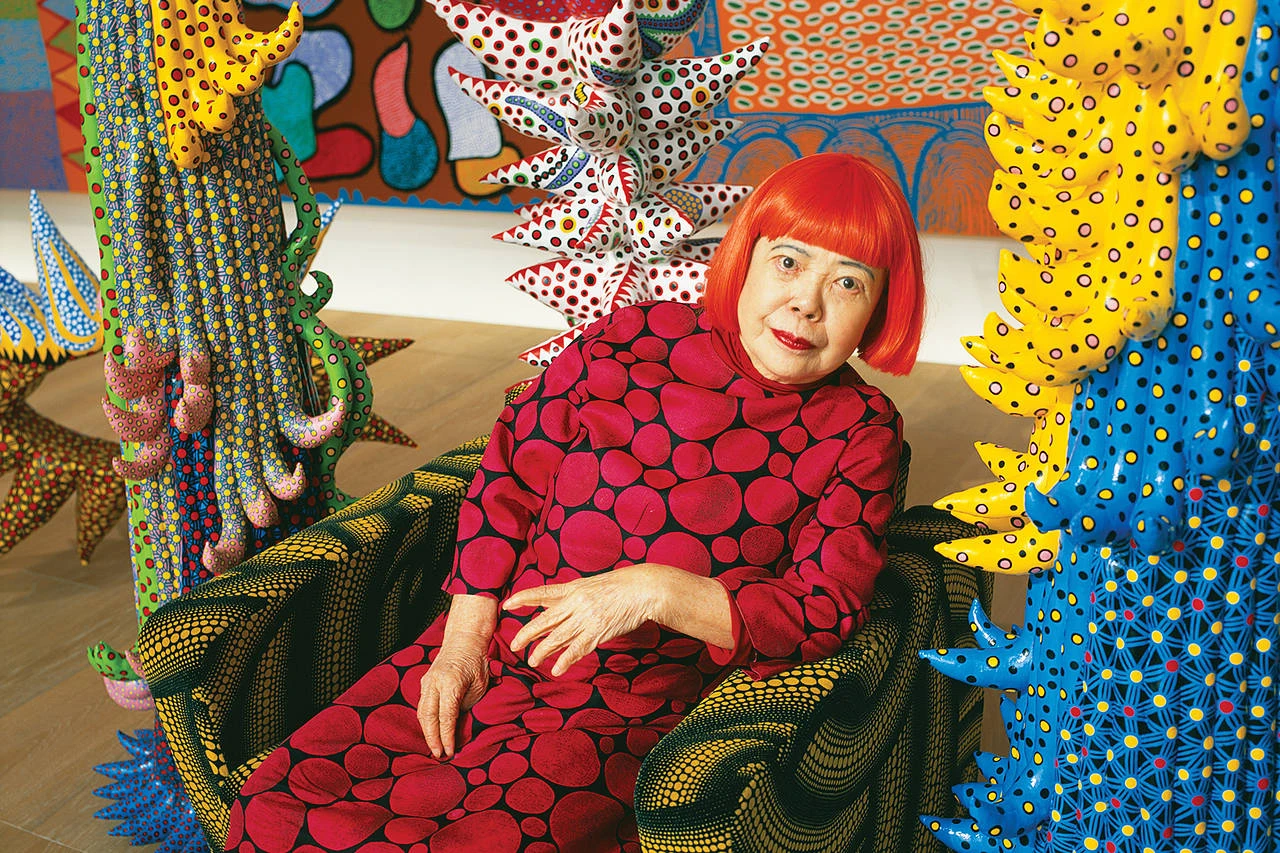
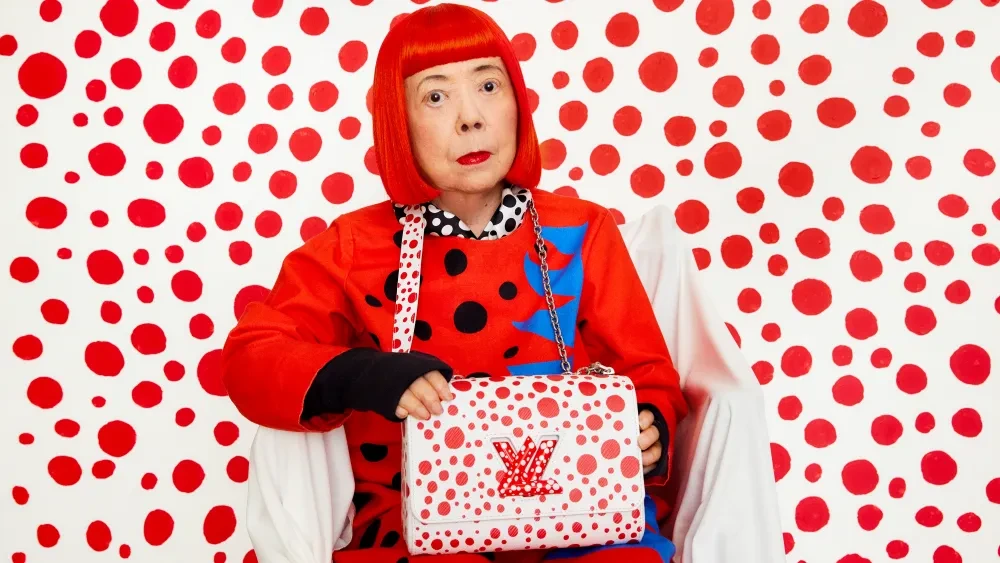
Kusama öz dilini itirmədən elit müasir incəsənəti populyar mədəniyyətlə birləşdirməyi bacaran nadir bir sənətkar nümunəsinə çevrildi. Onun xalları hər yerdə görünürdü: rəsm və heykəllərdə, memarlıq məkanlarında, geyim və dizayn obyektlərində. Onun Louis Vuitton ilə məşhur əməkdaşlığı xüsusi bir yer tutdu və onun vizual dünyasını birbaşa moda məkanına gətirdi. Kusama müasir incəsənətin yalnız muzeylərdə mövcud ola bilməyəcəyini nümayiş etdirdi: o, gündəlik həyatın, geyimin, küçənin, fotoqrafiyanın və yaddaşın bir hissəsinə çevrilə bilər. Amma bəlkə də məhz bu, onun irsinin paradoksudur.
Kusama bütün həyatını fərdin yox olmasına - fərdin sonsuz nöqtələr və əks olunmaların təkrarına çevrilməsinə çalışaraq keçirdi. Nəticədə, onu dünyanın ən tanınan sənətçilərindən birinə çevirən məhz bu nöqtələr oldu. Əsərləri qalıb. İzləyicinin bütün zaman hissini itirdiyi güzgü otaqları qalıb. Sonsuz şəbəkələr qalıb. Dünyasının demək olar ki, müstəqil simvollarına çevrilən məşhur balqabaqları qalıb. Hər yeni izləyicinin bir neçə dəqiqə ərzində onun kainatının bir hissəsinə çevrildiyi rəsm əsərləri, heykəllər, kitablar, tamaşalar və saysız-hesabsız əks olunmalar qalıb.
Yayoi Kusama 97 yaşına qədər yaşadı və demək olar ki, bütün bu müddət ərzində sonluluqla mübarizə aparmağa davam etdi. O, yoxa çıxma qorxusunu rəngə çevirdi. Tənhalığı sonsuz məkana, təkrarı azadlığa, öz daxili dünyasını isə özündən daha böyük olduğu ortaya çıxan sənətə çevirdi.