Müasir dünyanın siyasi və humanitar gündəliyində Azərbaycanın adı artıq yalnız regionun deyil, bütövlükdə beynəlxalq münasibətlər sisteminin mühüm iştirakçılarından biridir. Qlobal çağırışların müzakirə olunduğu ən mötəbər platformalara uğurla ev sahibliyi edən Azərabaycan, bu gün həm də yeni beynəlxalq əməkdaşlıq modelinin nümunəsini nümayiş etdirir. BMT platformasında artan etimad, COP29-un tarixi uğuru, eləcə də Dünya Şəhərsalma Forumunun Azərbaycanda keçirilməsi ölkəmizin diplomatik nüfuzunun və təşkilati potensialının bariz göstəricisidir.
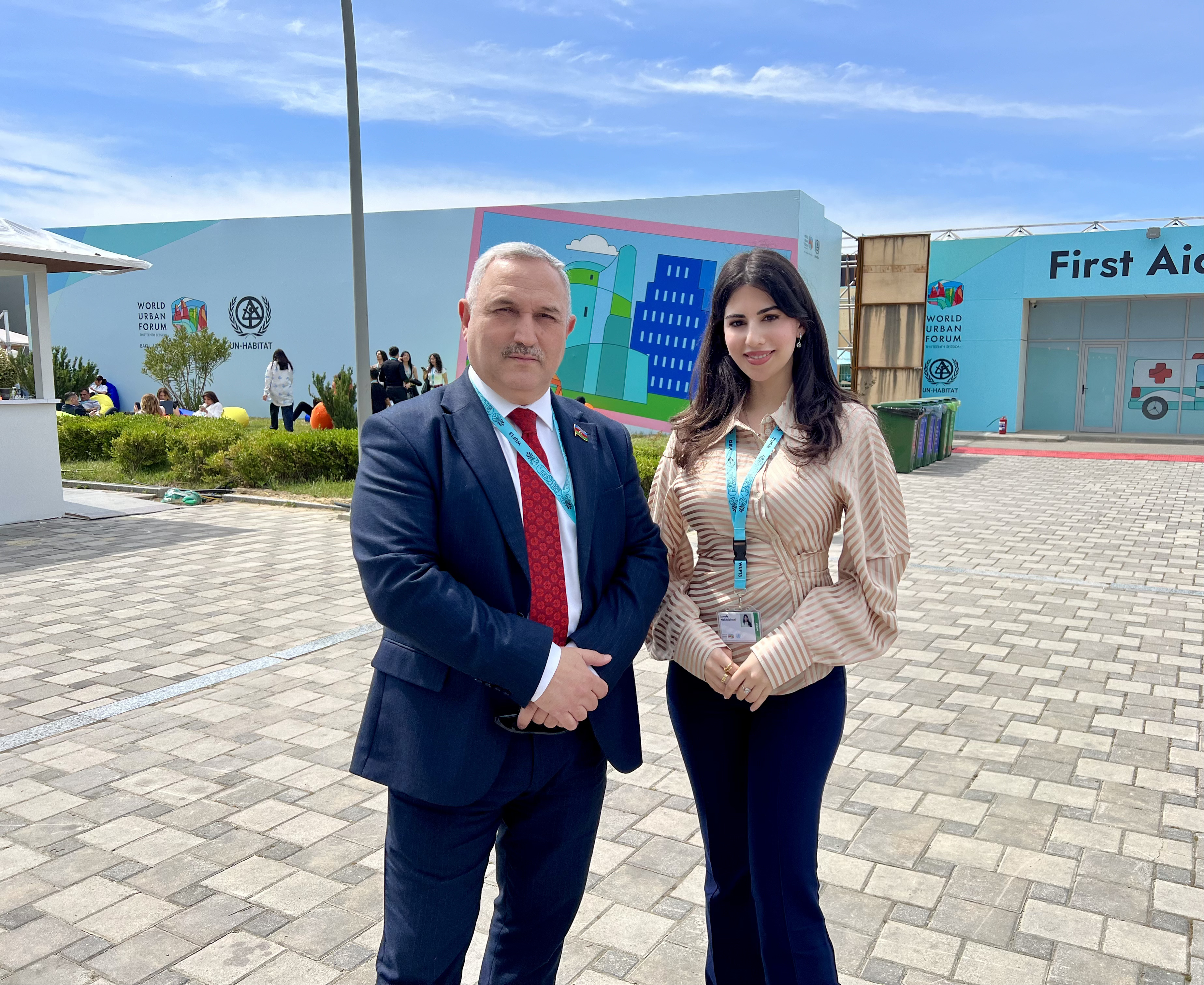
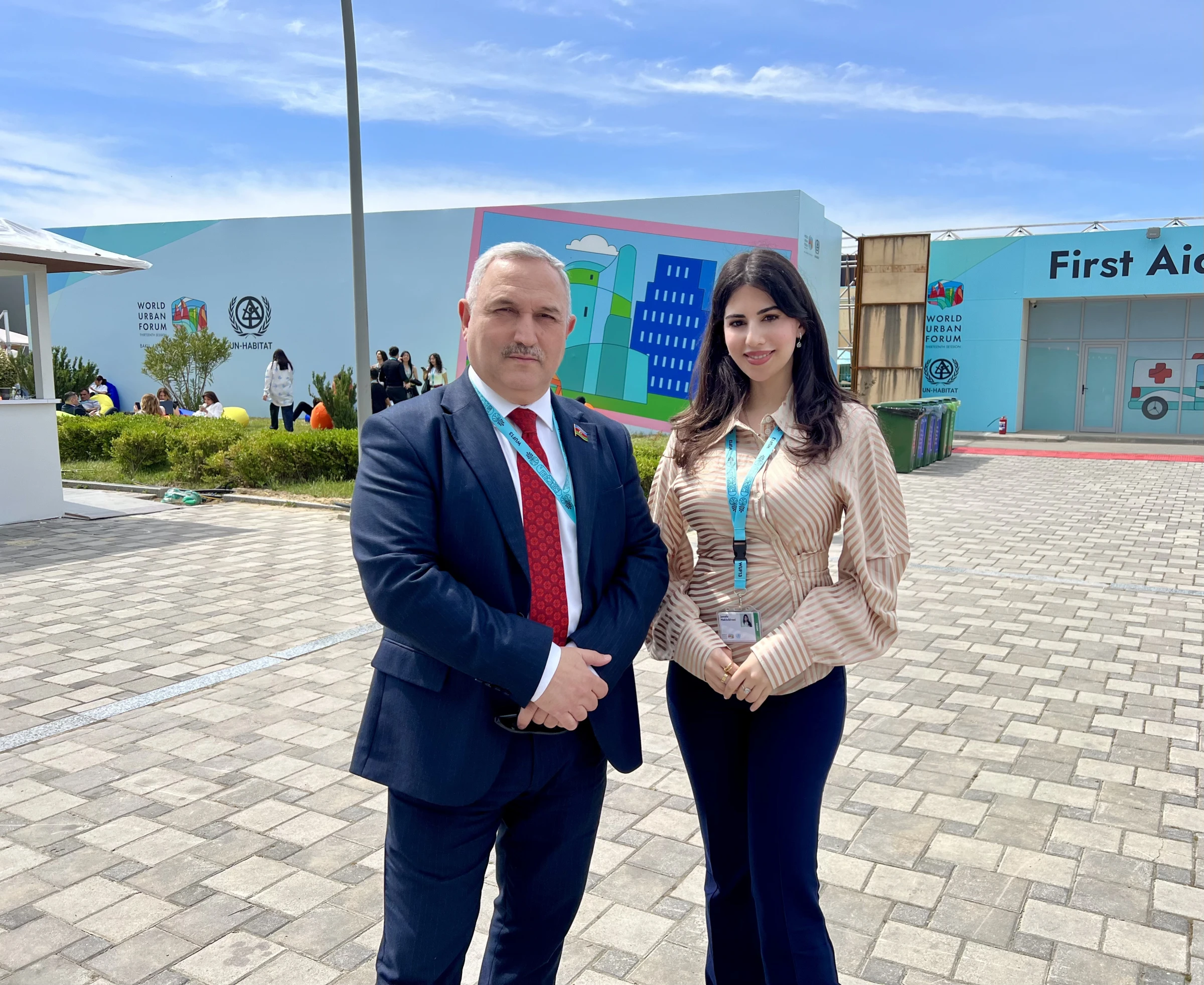
Ümumdünya Şəhərsalma Forumunun Bakıda keçirilən 13-cü Sessiyası (WUF13) zamanı Global Art jurnalı ekskluziv olaraq Azərbaycan Respublikasının Milli Məclisinin deputatı, tanınmış ictimai-siyasi xadim Azər Allahverənov ilə Azərbaycanın beynəlxalq tədbirlər məkanına çevrilməsi, COP29-un yaratdığı yeni reallıqlar və urbanizasiya proseslərinin gələcək perspektivləri barədə söhbət etdik.
— İlk növbədə, Azərbaycanda keçirilən bu möhtəşəm beynəlxalq forum haqqında təəssüratlarınızı öyrənmək istərdik. Sizcə, tədbirin əhəmiyyəti nə ilə ölçülür?
— Şübhəsiz ki, biz olduqca mühüm və tarixi əhəmiyyət daşıyan bir tədbirə şahidlik edirik. Dünya Ümumdünya Forumu miqyasına, beynəlxalq təsir gücünə və strateji əhəmiyyətinə görə qlobal platformalar arasında xüsusi yer tutur. Əgər BMT və COP formatlı tədbirlərdən sonra ən əhəmiyyətli beynəlxalq platformalardan biri hesab edilirsə, bu forumun məhz Azərbaycanda keçirilməsi olduqca ciddi mesajlar verir. Bu, ilk növbədə onu göstərir ki, Azərbaycan BMT müstəvisində öz etibarlılığını yüksək səviyyədə sübut etmiş dövlətdir. Belə mötəbər tədbirin keçirilməsinin Azərbaycana həvalə olunması beynəlxalq ictimaiyyətin ölkəmizə olan inamının göstəricisidir.
Digər mühüm məqam isə ondan ibarətdir ki, Azərbaycan bu kimi tədbirləri yalnız yüksək təşkilatçılıq səviyyəsində keçirmir, eyni zamanda onların konkret nəticələrlə yekunlaşmasına nail olur. Biz bunu COP29 zamanı da aydın şəkildə gördük və dünya bunu xüsusi olaraq qiymətləndirdi. Əminliklə demək olar ki, Ümumdünya Şəhərsalma Forumunda müzakirə olunan məsələlər və qəbul ediləcək qərarlar gələcəkdə qlobal şəhərsalma siyasətinə yeni baxış formalaşdıracaq. Burada aparılan müzakirələr yalnız bugünün deyil, gələcəyin şəhərlərinin necə qurulacağına dair strateji yanaşmaları müəyyənləşdirir.
— COP29-un uğurla təşkilindən sonra bu forumun keçirilməsi xüsusi diqqət çəkir. Sizcə, COP29 Azərbaycanın beynəlxalq nüfuzuna hansı töhfələri verdi?
— COP29 Azərbaycan üçün böyük və zəngin təcrübə oldu. Amma məsələ yalnız tədbirin keçirilməsi ilə məhdudlaşmır. Azərbaycan COP29 çərçivəsində qlobal iqlim gündəliyinin əsas aktorlarından birinə çevrildi. Bu tədbir zamanı iqlim dəyişikliyi ilə bağlı dünyanın diqqətinin daha da gücləndirilməsi ilə yanaşı, inkişaf etmiş dövlətlərin bu istiqamətdə daha fəal iştirakını təşviq edən qərarlar qəbul olundu. Mən hətta əminliklə deyə bilərəm ki, COP tarixində ən mühüm dönüş nöqtələrindən biri məhz COP29 oldu.
Çünki bundan əvvəl illərlə müzakirə olunan bir çox məsələlər Azərbaycan platformasında daha qısa müddətdə real nəticələrə çevrildi. Azərbaycan cəmi 10-11 ay ərzində həm təşkilati resursları səfərbər etdi, həm də dövlətlərarası dialoqu effektiv şəkildə quraraq müsbət qərarların qəbul olunmasına nail oldu.
Bu gün artıq beynəlxalq ekspertlər də etiraf edirlər ki, Azərbaycanda nümayiş etdirilən təşkilatçılıq səviyyəsi çox yüksək standart formalaşdırdı. COP30-un Braziliyada keçirilməsi zamanı belə, bir çox iştirakçılar Azərbaycanın müəyyən etdiyi həmin yüksək səviyyəyə çatmağın olduqca çətin olduğunu xüsusi vurğulayırdılar.
— Ümumdünya Şəhərsalma Forumunu COP29-un davamı hesab etmək olarmı?
— Mövzular fərqli olsa da, müəyyən mənada onları birləşdirən ortaq strateji yanaşmalar mövcuddur. COP29 əsasən iqlim dəyişikliyi məsələlərini əhatə edirdi, Dünya Şəhərsalma Forumu isə urbanizasiya və şəhərsalma proseslərinə fokuslanır. Bu gün urbanizasiya bütün dünyada sürətlə gedən və qarşısı alınması mümkün olmayan prosesdir. Əsas məsələ bu prosesi düzgün idarə etməkdir ki, o, dövlətlər üçün inkişaf və rifah mənbəyinə çevrilsin.
Forum çərçivəsində müzakirə olunan əsas məsələlərdən biri də məhz balansın qorunmasıdır. Şəhərsalma siyasətində müxtəlif sosial qrupların maraqlarının necə nəzərə alınması, həssas təbəqələrin bu prosesə necə cəlb edilməsi və qərarvermədə cəmiyyətin bütün seqmentlərinin iştirakının təmin olunması burada xüsusi diqqət mərkəzindədir. Bu isə müasir şəhər konsepsiyasının yalnız memarlıq deyil, həm də sosial ədalət və inklüziv inkişaf modeli üzərində qurulduğunu göstərir.
— Bütün bunların fonunda artıq demək olarmı ki, Azərbaycan beynəlxalq layihələrin əsas platformalarından birinə çevrilib?
— Tam əminliklə demək olar ki, bəli, Azərbaycan artıq beynəlxalq layihələrin həyata keçirildiyi mühüm qlobal platformalardan birinə çevrilməkdədir və bu statusunu uğurla təsdiqləyib. Bu yalnız iqlim və şəhərsalma sahələri ilə məhdudlaşmır. Azərbaycan multikultural dialoq platformalarının, humanitar forumların, beynəlxalq idman yarışlarının, siyasi və diplomatik görüşlərin keçirildiyi etibarlı məkan kimi artıq beynəlxalq münasibətlər sistemində öz xüsusi yerini tutub. Ən vacib məqamlardan biri isə odur ki, Azərbaycan bütün bu platformalarda həm ev sahibi rolunu oynayır, həm də qlobal dialoqun təşviqinə real töhfə verən ölkə kimi çıxış edir. Bu isə dövlətimizin artan beynəlxalq nüfuzunun və strateji baxışının göstəricisidir.
— Təşəkkür edirik!
— Çox sağ olun!