Müasir dünyada beynəlxalq əməkdaşlıq rəsmi danışıqlardan və iqtisadi razılaşmalardan daha geniş şəkildə həyata keçirilir. Bu gün layihələrin uğuru getdikcə sərhədin hər iki tərəfindəki insanların mədəniyyətini, dəyərlərini və düşüncə tərzini anlamaq qabiliyyətindən asılıdır.
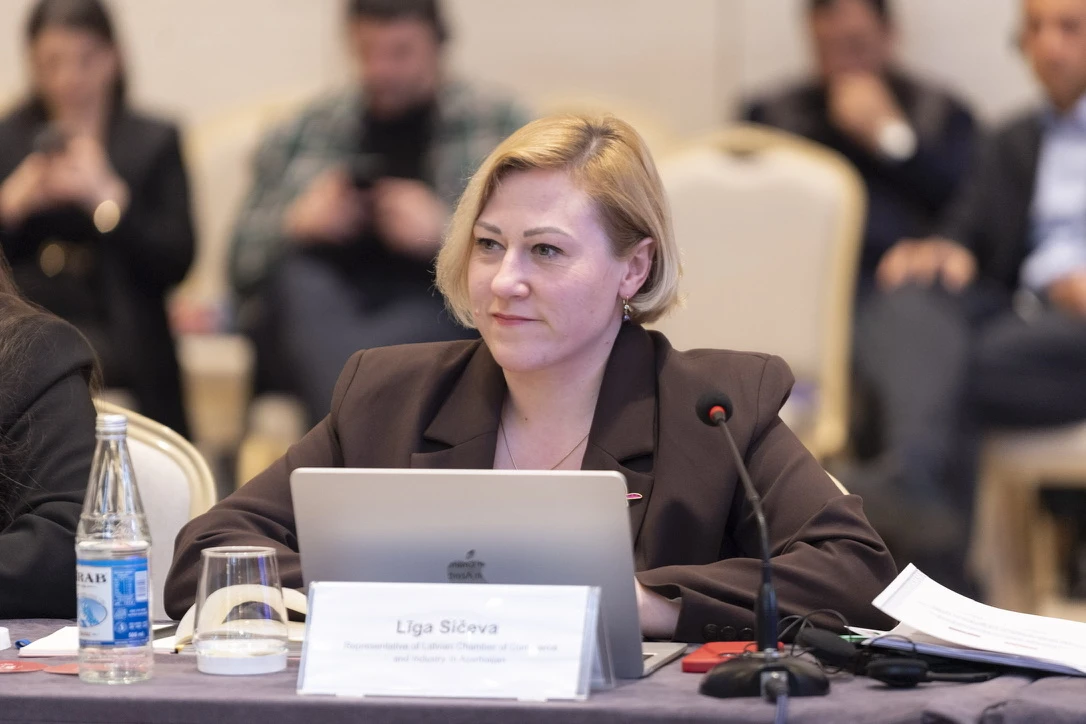
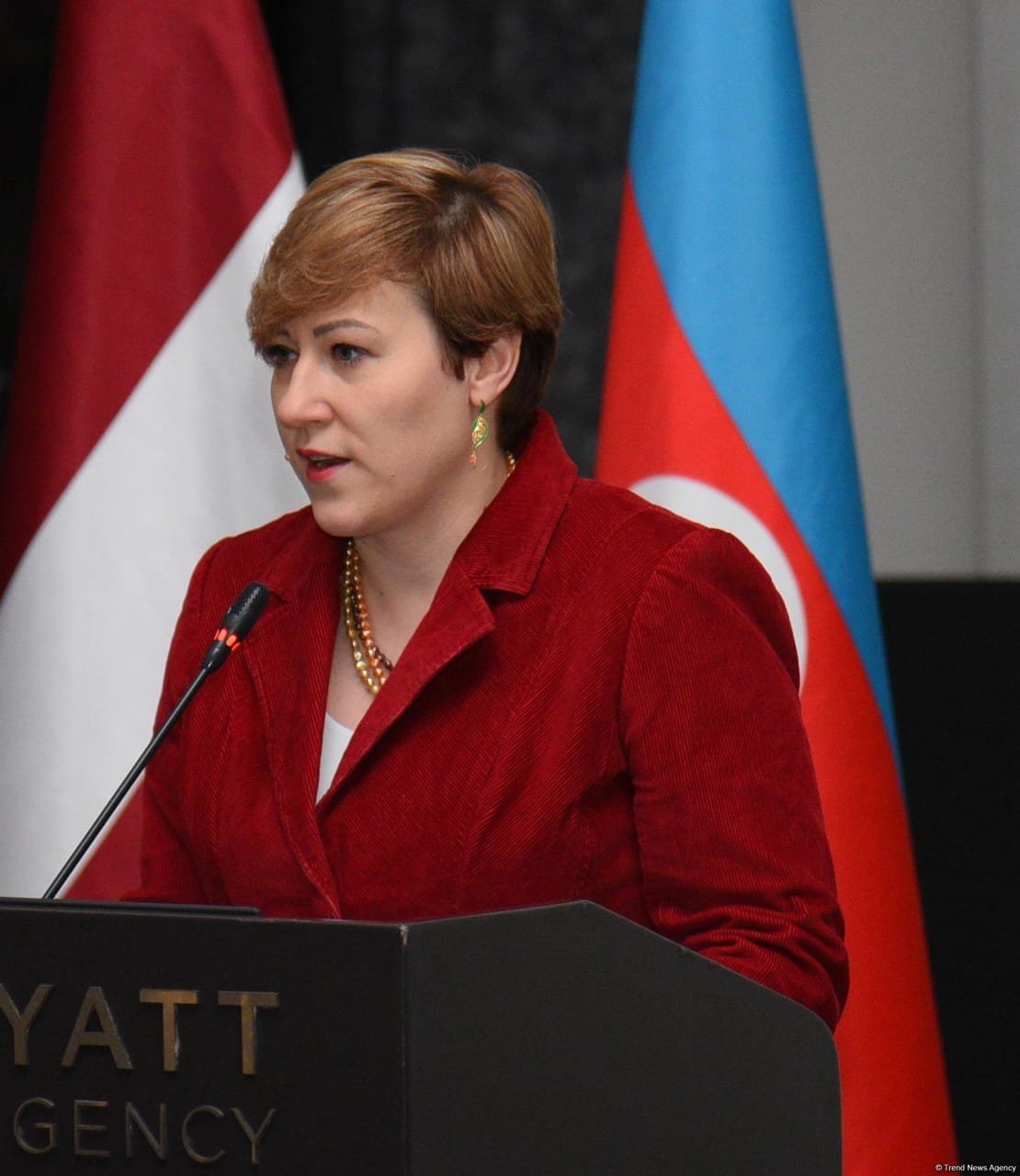
Global Art jurnalının bugünkü qonağı beynəlxalq münasibətlərin inkişafı üzrə beynəlxalq ekspert, Latviya Ticarət və Sənaye Palatasının Azərbaycandakı nümayəndəsi, Powerhouse Latvia şirkətinin beynəlxalq əməkdaşlıq üzrə tərəfdaşı və direktoru, mühazirəçi və biznes, təhsil və mədəni diplomatiyanı birləşdirən beynəlxalq layihələrin müəllifi Liqa Sıçovadır.
Global Art jurnalının baş redaktoru Cəmalə Naxçıvani ilə eksklüziv söhbətdə Liqa Sıçova ölkələr arasında beynəlxalq körpülərin necə qurulduğunu, yaradıcılığın liderlər üçün niyə vacib bir vasitə olduğunu və Azərbaycanın müasir beynəlxalq dialoqda oynadığı rolu müzakirə etdi.
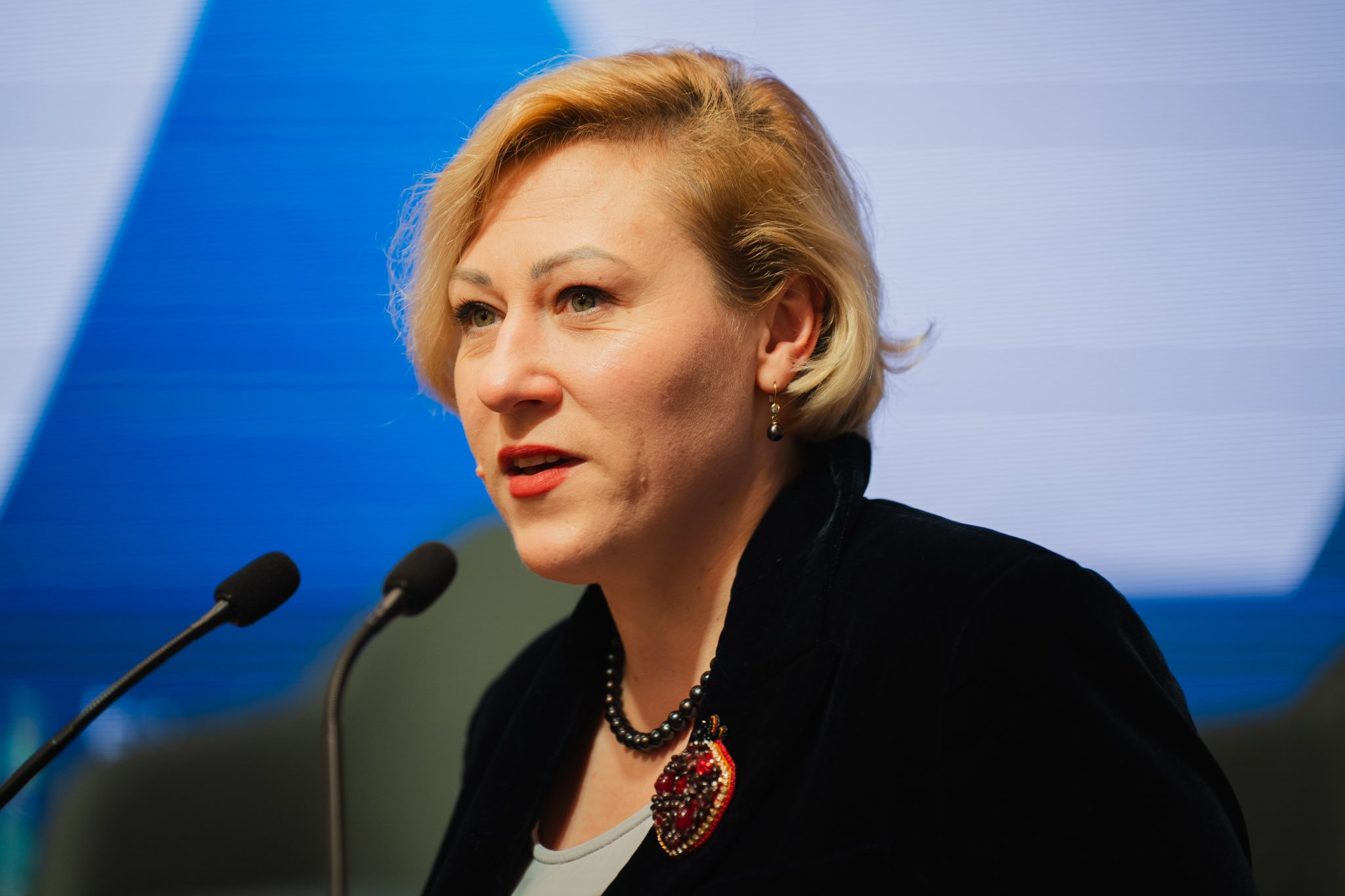
— Liqa xanım, Global Art jurnalına xoş gəlmisiniz! Zəhmət olmasa, özünüz və fəaliyyətiniz haqqında bizə məlumat verin.
— Dəvət üçün çox təşəkkür edirəm. Bu, mənim üçün şərəfdir.
İlk növbədə, mənim işim beynəlxalq münasibətlər və ölkələr, təşkilatlar və insanlar arasında əməkdaşlığın inkişafı ətrafında cərəyan edir. Müxtəlif ölkələri biznes, strateji inkişaf, investisiya, təhsil və beynəlxalq tərəfdaşlıq məsələlərində bir araya gətirən layihələr üzərində işləyirəm. Mənim üçün həmişə təkcə biznes əlaqələri qurmaq deyil, həm də etimada, qarşılıqlı hörmətə və bir-birinin mədəni xüsusiyyətlərini anlamağa əsaslanan davamlı münasibətlər qurmaq vacib olub.
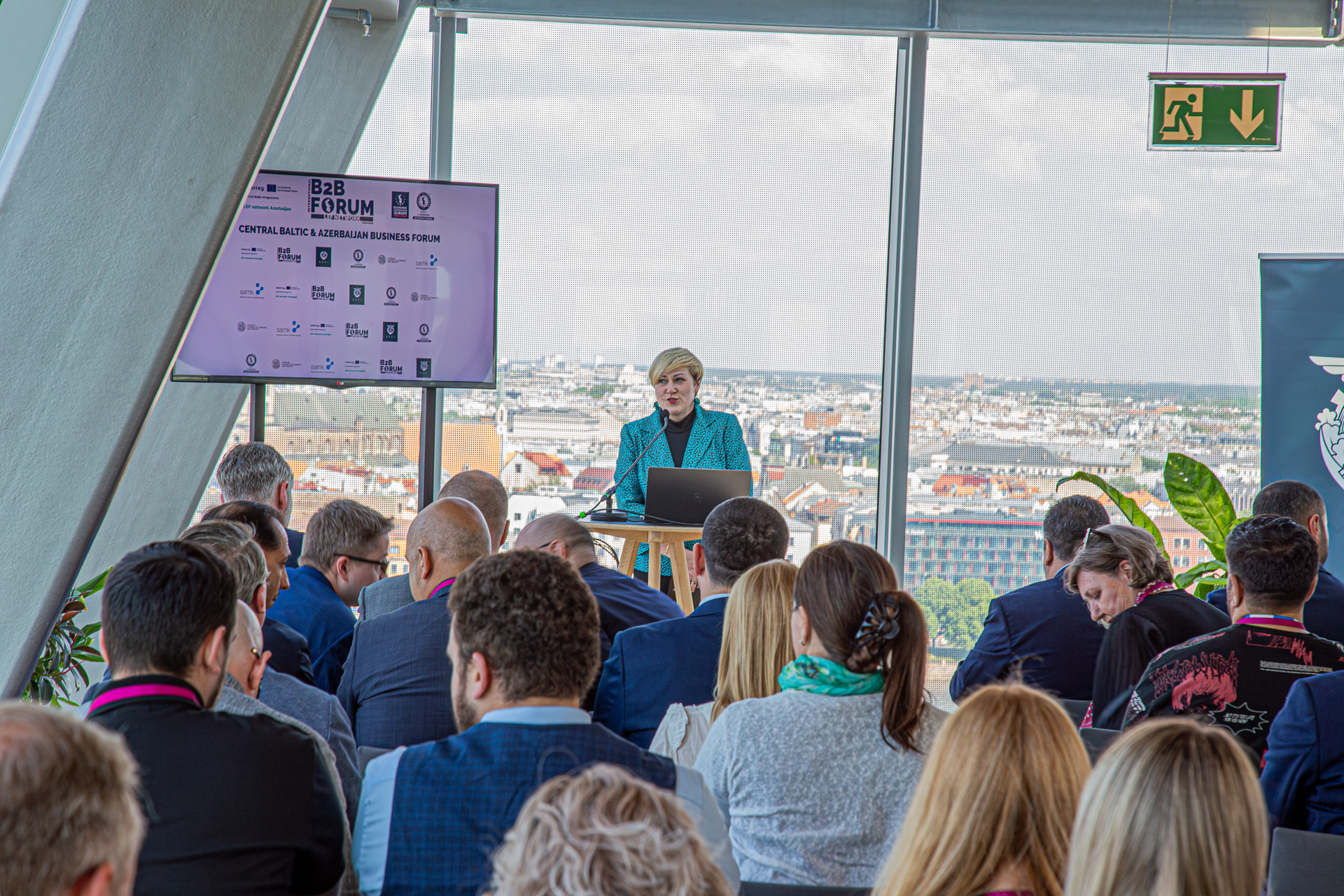
Bu gün mən Latviya Ticarət və Sənaye Palatasını Azərbaycandakı təmsil edirəm, Powerhouse Latvia şirkətində beynəlxalq əməkdaşlıq üzrə tərəfdaş və direktoram və universitetlərdə beynəlxalq layihələr, beynəlxalq maliyyə və beynəlxalq əməkdaşlıq, strategiya və inkişafla bağlı mövzular üzrə mühazirələr oxuyuram.
Caspian Energy Club ilə həyata keçirilən LEF Network Azerbaijan layihəsi peşəkar həyatımda xüsusi yer tutur. Onun konsepsiyasının və tətbiq strategiyasının müəllifi olduğum üçün bu, ürəyimə çox yaxındır. Əsas ideya dörd ölkə - Latviya, Finlandiya, Estoniya və Azərbaycan arasında əməkdaşlıq platforması yaratmaq idi.
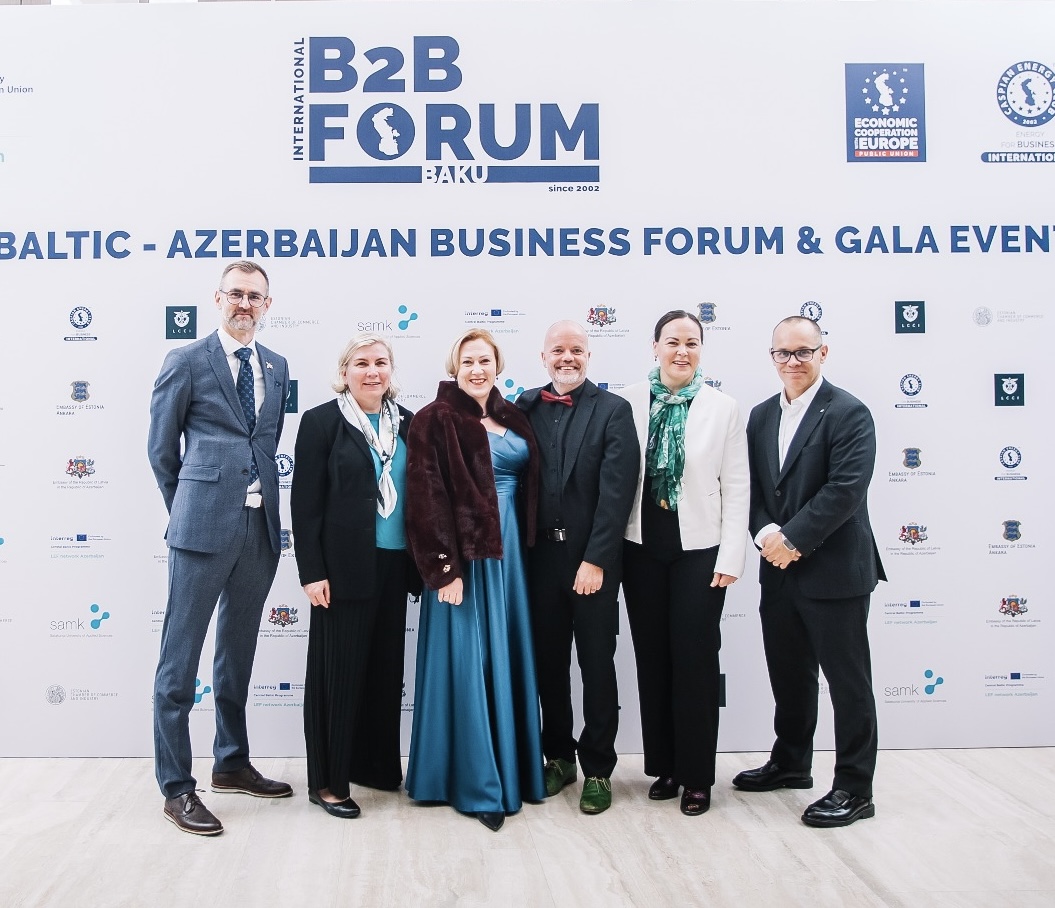
— LEF Network Azerbaijan layihəsini unikal edən nədir?
— Əvvəla, onun miqyası və müxtəlifliyi. İki ölkə qarşılıqlı əlaqədə olduqda, fərqli mədəniyyətlərin, adət-ənənələrin və işə yanaşmaların dərindən başa düşülməsi tələb olunur. Lakin eyni vaxtda dörd ölkə haqqında danışarkən, tapşırıq xeyli mürəkkəb və eyni zamanda daha maraqlı olur. Bunlar dörd fərqli mədəniyyət, dörd düşüncə tərzi, dörd dəyər sistemidir. Burada yalnız rəsmi əməkdaşlığın mexanizmlərini deyil, həm də insan psixologiyasını, ünsiyyət nümunələrini və milli xarakteri anlamaq vacibdir. Hər bir insanın əvvəlcə özünü, sonra təşkilatını, sonra isə ölkəsini təmsil etdiyini xatırlamaq vacibdir. Buna görə də beynəlxalq layihələr detallara xüsusi diqqət yetirməyi və müxtəlif mədəni ənənələr arasında tarazlığı qorumaq bacarığını tələb edir. Mənim üçün bu layihə həm də biznes, mədəniyyət, təhsil və insan münasibətlərini bir-biri ilə əlaqələndirdiyi üçün xüsusi idi.
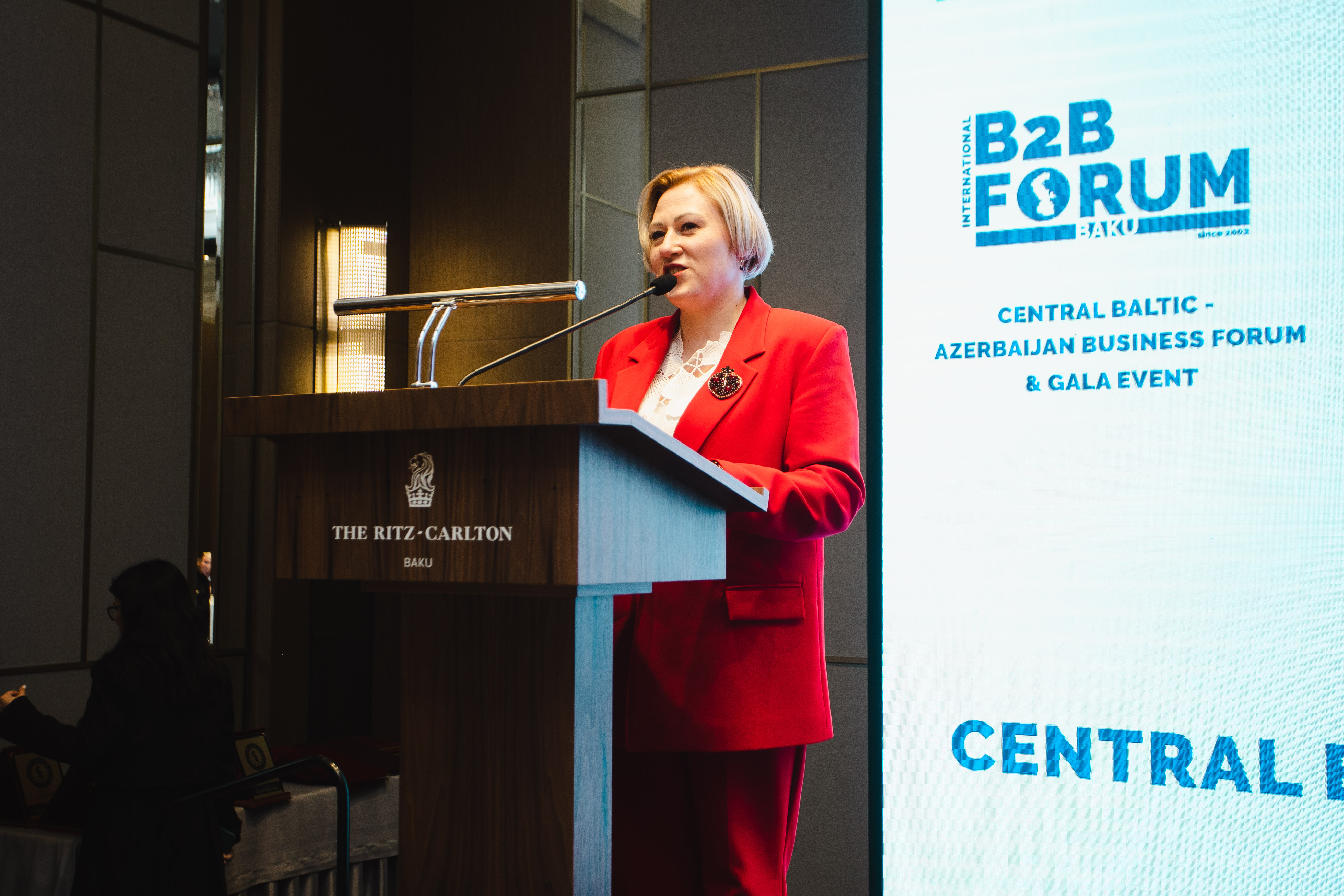
— Bakıdakı forum layihənin ən yaddaqalan məqamlarından biri idimi?
— Bəli, mütləq. Layihənin yekun tədbirinin yalnız rəsmi çıxışlardan və nəticələrin müzakirəsindən kənara çıxmasını istəyirdim. Uzun müddətdir ki, arzum insanlara bütün iştirakçı ölkələrin mədəniyyətlərinin gözəlliyini və unikallığını göstərmək idi. Bu tədbiri birgə təşkil etdiyimiz Finlandiyadan olan tərəfdaşlarımıza çox minnətdaram.
Latviyanı beynəlxalq "Eurovision" müsabiqəsində təmsil edən latış müğənnisi Aqnese Rakovska Bakıdakı foruma gəldi. O, forum iştirakçıları üçün çıxış etdi və Latviya mədəniyyətini musiqi vasitəsilə təqdim etdi. Kvartet həmçinin Latviya, Finlandiya və Estoniya bəstəkarlarının əsərlərini ifa etdi. Qonaqların ölkələrimizin musiqisini Bakının mərkəzində eşidə bilməsi mənim üçün çox vacib və təsirli idi. Proqrama görkəmli Latviya bəstəkarı Emils Dārzinşin əsərləri, o cümlədən onun çox sevdiyim məşhur "Melanxolik Vals" əsəri daxil idi. (Redaktorun qeydi: Valsı bu linkdən dinləyə bilərsiniz: https://www.youtube.com/watch?v=JCAakhvNeTE)
Lakin eyni dərəcədə vacib olan Azərbaycan mədəniyyətinin təqdimatı idi. Gecənin sonunda qonaqlar milli Azərbaycan rəqslərindən və ənənəvi musiqidən zövq aldılar. Xüsusilə təsirli bir məqam, sonda müxtəlif ölkələrdən olan insanların artıq özlərini sadəcə forum iştirakçıları kimi hiss etməməsi idi. Onlar birlikdə rəqs etdilər, mahnı oxudular, söhbət etdilər və sevindilər. Bu, əsl insan birliyinin anı idi. Məhz o zaman ideyamızın həqiqətən gerçəkləşdiyini hiss etdim.
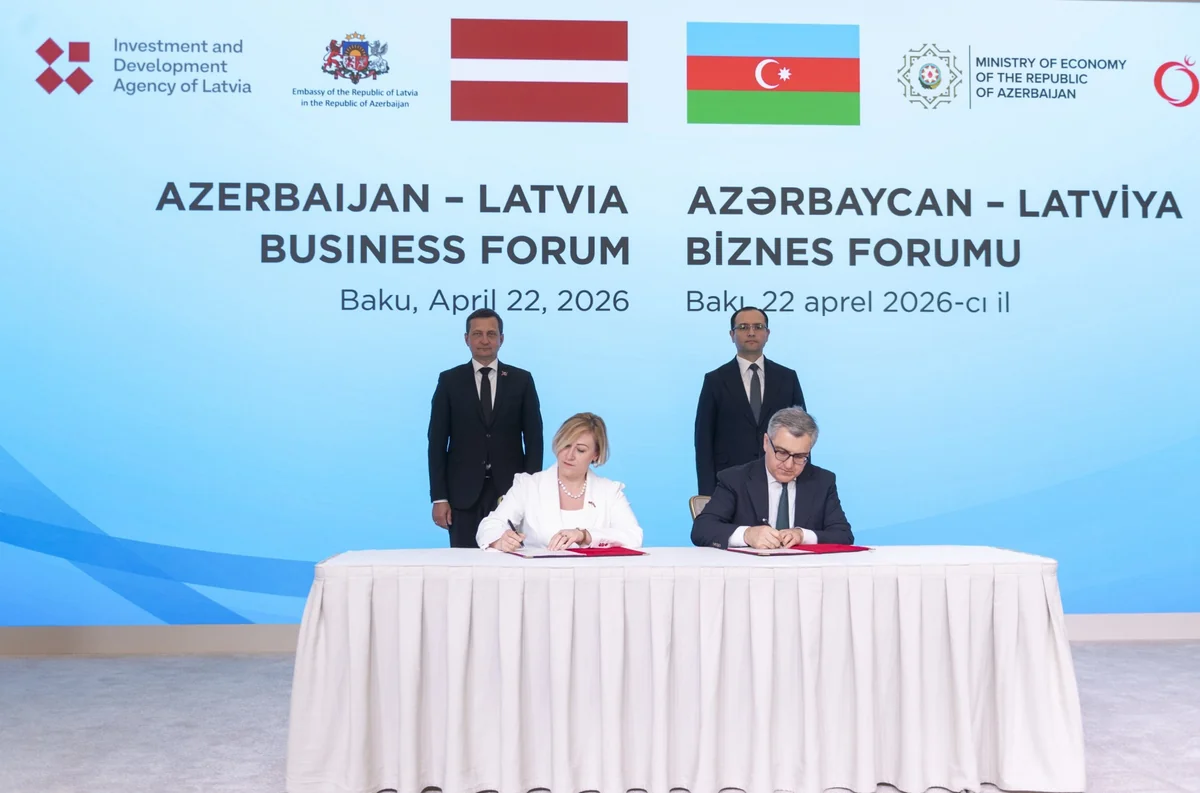
— Deməli, mədəniyyət layihənin ayrılmaz hissəsi idi?
— Əlbəttə. Axı mədəniyyət anlayışı ümumilikdə düşünüləndən daha genişdir. Mədəniyyətdən danışarkən tez-tez musiqi, rəsm, ədəbiyyat və ya teatr haqqında düşünürük. Amma ünsiyyət mədəniyyəti, düşüncə mədəniyyəti, qərar qəbuletmə mədəniyyəti və biznes mədəniyyəti də var.
Mən Erin Meyerin "Mədəniyyət Xəritəsi" kitabını çox bəyənirəm. O, müxtəlif ölkələrin nümayəndələrinin informasiyanı necə qəbul etdiyini, ünsiyyət qurduğunu və qərarlar qəbul etdiyini ətraflı izah edir. Beynəlxalq layihə meneceri bu fərqləri başa düşərsə, əməkdaşlığı idarə etmək xeyli asanlaşır.
Məsələn, finlər adətən son dərəcə nəzakətli və taktiki olurlar. Tərəfdaş görüşündə onlara xüsusi olaraq söz verilməsə, müzakirənin sonuna qədər sakitcə susmağa davam edə bilərlər. Deyəcəkləri bir şey olmadığı üçün deyil, sözünü kəsmədikləri və dialoqa dəvət gözləmədikləri üçün. Bu xüsusiyyəti başa düşməsəniz, səhvən həmin şəxsin müzakirə ilə maraqlanmadığı qənaətinə gələ bilərsiniz. Digər tərəfdən, estonlar açıq və praqmatikdirlər. Onlar sizə nəyin yaxşı getdiyini və nəyin təkmilləşdirilməli olduğunu dürüstcə deyəcəklər. Birbaşa ünsiyyət quran mədəniyyətlər və kontekst və işarələr vasitəsilə çox şeyin çatdırıldığı mədəniyyətlər var. Məncə, Azərbaycan da incə diplomatik ünsiyyətin bu gözəl keyfiyyətinə malikdir. Zamanla bu nüansları ağlım və ürəyimlə anlamağı öyrəndim.
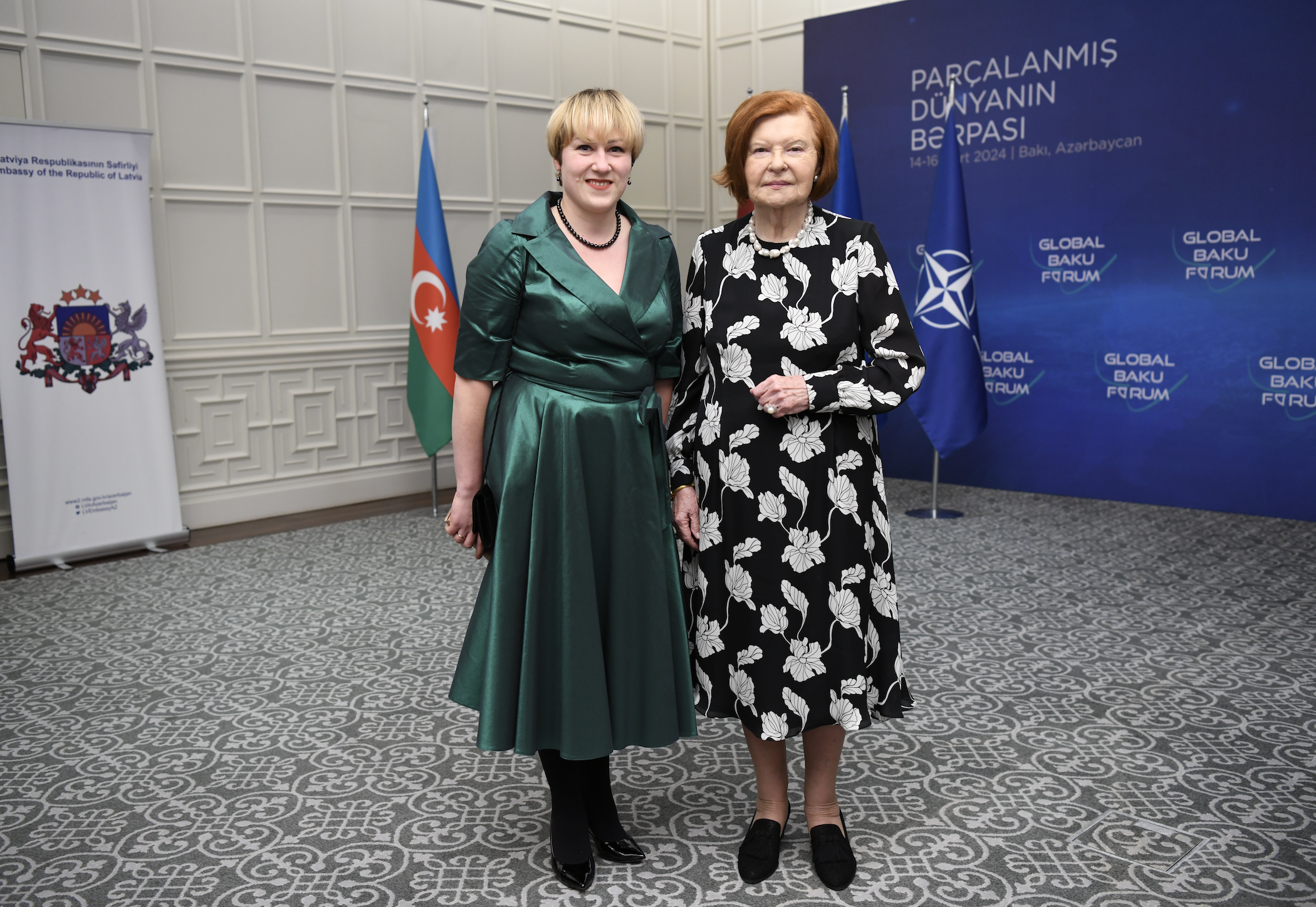
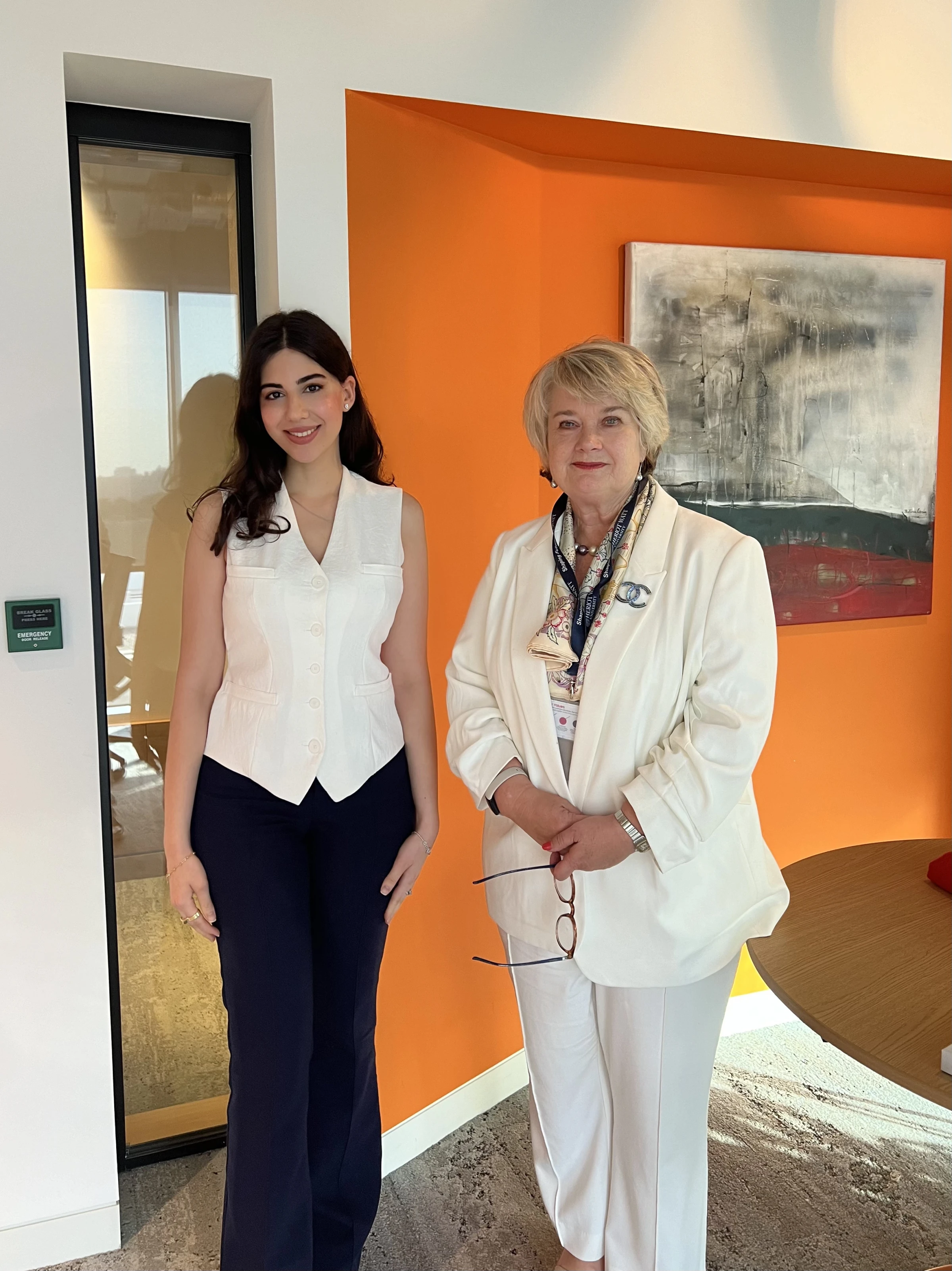
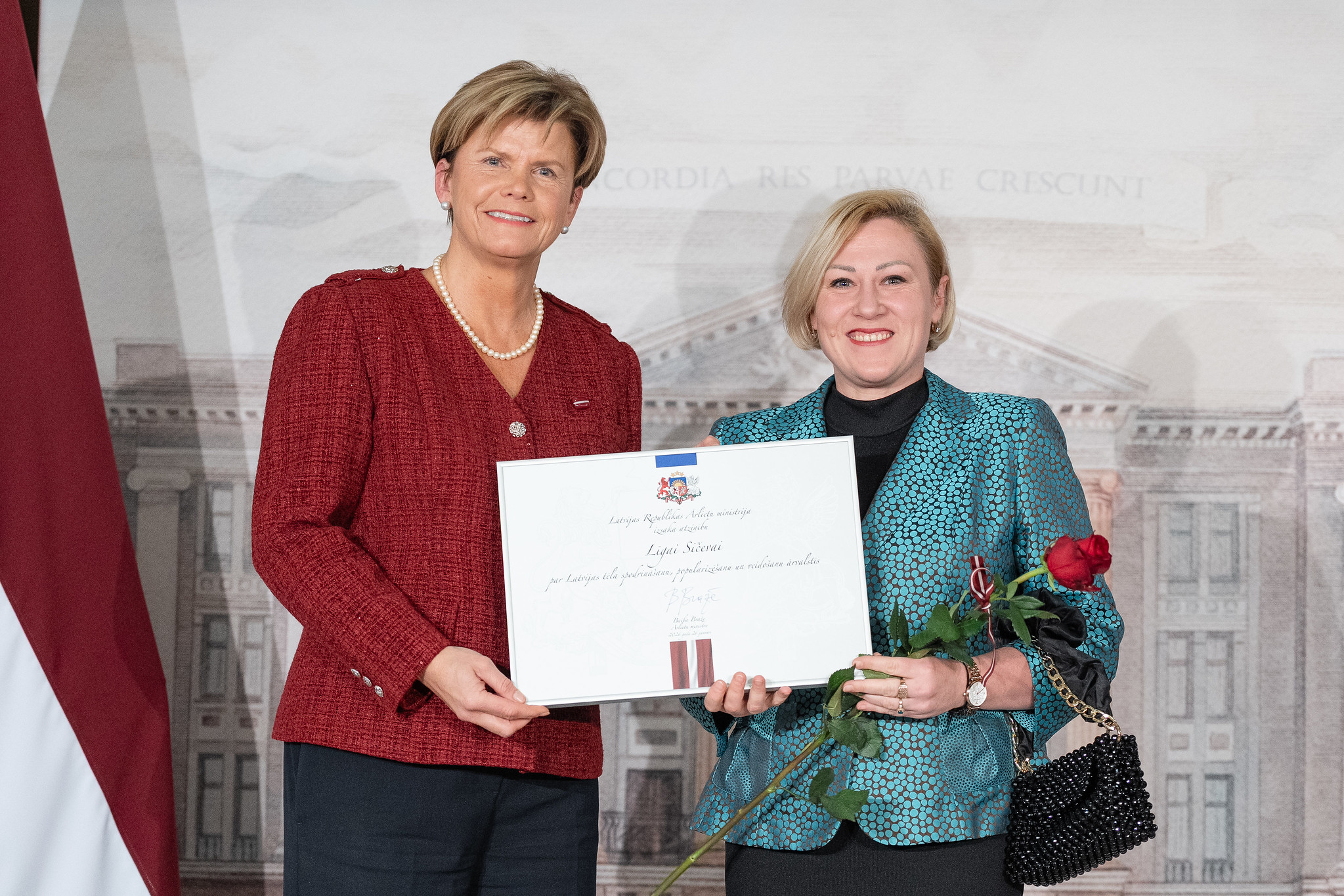
Liqa Siceva və Vayra Vike-Freyberqa, Latviyanın keçmiş prezidenti
— Liqa xanım, əməkdaşlığa başlamazdan əvvəl bir ölkənin mədəniyyətini öyrənmək nə qədər vacibdir?
— Bu, tamamilə vacibdir. Ölkələr arasında yeni beynəlxalq körpü qurmağa başlayanda ilk addım sözdə sahə tədqiqatıdır.
Onlarla kitab və analitik hesabat oxuya, media nəşrlərini araşdıra bilərsiniz, amma real həyat həmişə daha dərin və çoxşaxəli olduğunu sübut edir. Buna görə də ölkəyə şəxsən baş çəkməyə, insanlarla görüşməyə, atmosferi hiss etməyə və gündəlik həyatı müşahidə etməyə çalışıram.
Əvvəlcə dövlətin iqtisadiyyatını, tarixini və quruluşunu öyrənirik. Sonra mədəniyyətə, incəsənətə və milli xüsusiyyətlərə keçirik. Bundan sonra biznes mühitini və biznes mədəniyyətini təhlil etməyə başlayırıq.
Bir çox vacib detalları kitablardan öyrənmək mümkün deyil. Onları yalnız üzbəüz qarşılıqlı əlaqə, ekskursiyalar, görüşlər, söhbətlər və müşahidələr vasitəsilə başa düşmək olar. Bəzən məhz bu nüanslar uğurlu əməkdaşlığın açarı olduğunu sübut edir.
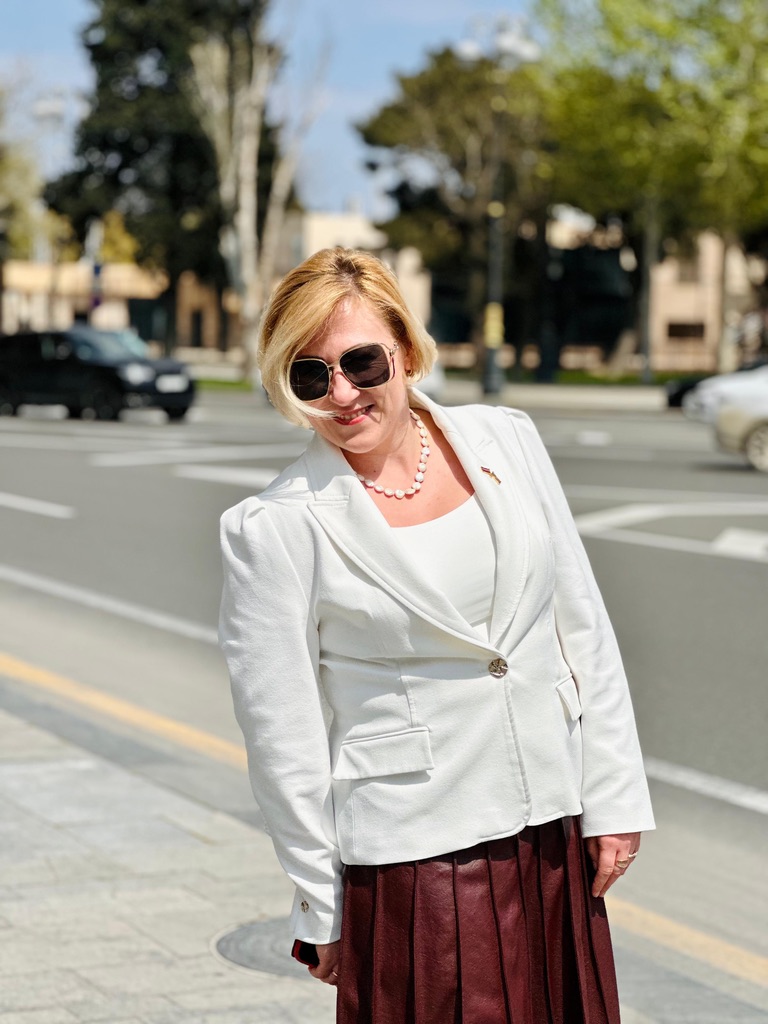
— Siz tez-tez xaricdə Azərbaycan haqqında danışırsınız. Hansı aspektləri xüsusilə vacib hesab edirsiniz?
— Bəzən Azərbaycan haqqında çox səthi təsəvvürləri olan insanlarla qarşılaşıram. Bəzən mənə deyirlər ki, "Amma bu, müsəlman ölkəsidir. Qadınlar orada özlərini nə qədər sərbəst şəkildə dərk edə bilərlər?"
Sonra həmişə cavab verirəm: nəticə çıxarmazdan əvvəl tarixi öyrənməyə dəyər. Azərbaycan müsəlman dünyasında qadınlara səs vermək hüququ verən ilk ölkə olub. Bu, çox vacib bir faktdır, amma bunu hamı bilmir.
Mən həmişə vurğulayıram ki, müasir Azərbaycan qadınları işlərində uğur qazanırlar, biznes, incəsənət, təhsil və ictimai fəaliyyətlə məşğul olurlar.
Amma mənim üçün daha vacib olan odur ki, liderlik heç vaxt cinslə müəyyən edilmir. Bəzi insanlar, cinsindən asılı olmayaraq, təbii olaraq zəifdirlər və onları lider kimi yetişdirmək çətindir. Əsl liderlik şəxsiyyət, bilik, xarakter, məsuliyyət və başqalarına ilham vermək qabiliyyəti ilə müəyyən edilir. Əgər bir insanın istedadı, xarizması və inkişaf etmək istəyi varsa, mütləq nəticə əldə edəcəklər.
— Professional fəaliyyətinizə baxmayaraq, yaradıcılıq həmişə həyatınızın bir hissəsi olub. Yaradıcılığın işinizə necə təsir etdiyini bizimlə paylaşa bilərsinizmi?
Çox da belə. Çoxları məni əsasən iş adamı kimi qəbul etsə də, yaradıcılıq həmişə həyatımın bir hissəsi olub. İncəsənət məktəbini bitirdim və yeddi il incəsənət sahəsində çalışdım. Xüsusilə ağ-qara qrafikadan həzz aldım.
Məhz o zaman yaradıcılığa düşüncə tərzi kimi xüsusi bir dəyər verdim. Mənim üçün yaradıcılıq sadəcə rəsm və ya musiqi deyil. Bu, gündəlik şeyləri fərqli görmək qabiliyyətidir.
Tutaq ki, beynəlxalq foruma dəvətnamə hazırlayırıq. Loqo və mətnlə standart bir sənəd yarada bilərik. Yaxud tədbir başlamazdan əvvəl insanlarda oyadan vizual konsepsiya, atmosfer, emosiyalar haqqında düşünə bilərik. Eyni şey layihələrə də aiddir.
İstənilən strategiya rəqəmlərdən, analitikadan, KPI-lərdən və hesablamalardan başlayır. Lakin bu çərçivələr daxilində həmişə fikirlər üçün yer var. Mən daim özümə suallar verirəm: layihəni necə yaddaqalan edə bilərəm? Xüsusi bir atmosferi necə yarada bilərəm? İnsanların bu tədbiri illər sonra necə xatırlamalarını təmin edə bilərəm? Yaradıcılıq cavabları tapmağıma kömək edir.
— Yaradıcı düşüncənin problemlərin həllinə kömək etdiyini deyə bilərikmi?
— Əlbəttə. Beynəlxalq layihələrdə daim qeyri-adi vəziyyətlər yaranır: uçuşlar ləğv edilir, tədbir proqramları dəyişdirilir, fors-major hallar baş verir. Mən heç vaxt panikaya düşməmişəm. Uçuş ləğv olunarsa, bu, yeni bir həll yolu tapmalı olduğunuz deməkdir. Bəlkə də əlavə bir ekskursiya, görüş və ya mədəni proqram təşkil edə bilərsiniz.
Mənim üçün yaradıcılıq həm də başqalarının maneələri gördüyü imkanları görmək bacarığıdır. Nə olursa olsun, həmişə yeni bir ssenari ortaya qoya bilərsiniz. Əgər pianoda çalmaq alınmasa, biz oxuyacağıq. Bir plan alınmasa, biz başqa bir plan yaradacağıq. Əsas məsələ daxili sakitliyi qorumaq və dəyişiklikdən qorxmamaqdır.
— Liqa xanım, siz həm də şeir yazırsınız...
— Bəli, bu doğrudur. Əvvəllər daha çox şeir yazırdım. O vaxtlar daha çox emosiyalar, təcrübələr və fəlsəfi düşüncələr var idi.
Bu gün getdikcə həyatımdakı layihələr haqqında kitab yazmaq barədə düşünürəm. Bəzən hətta düşünürəm ki, onu "Həyatımdakı təyyarələr" adlandırmaq olar (gülür). Çünki səyahət və işgüzar səfərlər zamanı çoxlu sayda heyrətamiz hekayələr baş verib. Hər layihə əvvəlcədən təsəvvür edilə bilməyən tanışlıqlar, görüşlər və hadisələr gətirir. Bəzən hava limanında kiminləsə görüşürsən, onunla bir neçə saat söhbət edirsən və sonra bir daha onu görmürsən. Amma bu söhbət ömürlük yaddaşında qalır. Düşünürəm ki, insanın hekayəsini həqiqətən formalaşdıran məhz bu kimi anlardır.
Blitz
— Ən sevdiyiniz rəssam?
— Vilhelms Purvītis (Redaktor qeydi: müasir Latviya rəssamlığının banilərindən biri.)
— Ən sevdiyiniz rəsm?
— Vilhelms Purvītisin "Erkən yaz" (Agrs pavasaris).

"Erkən yaz", Vilhelms Purvītis
— İncəsənətə aşiq olmağınıza səbəb nə idi?
— Yaradıcılıq azadlığı. Sənətin insanların öz dünyalarını yaratmasına necə imkan verməsini həmişə sevmişəm. Məsələn, keramika və dulusçuluq dərslərində hər kəsə adi bir vaza düzəltmək tapşırılırdısa, tamamilə fərqli bir şey ortaya qoymaq istəyirdim. Buna görə də müasir incəsənət məni cəlb edir. Hər kəs orada öz mənasını tapa bilər.
— Oxucularımıza tövsiyə edə biləcəyiniz kitab?
— Beynəlxalq münasibətlər və mədəniyyətlə maraqlanan hər kəsə Erin Meyerin "Mədəniyyət Xəritəsi"ni tövsiyə edərdim. Bu, mədəniyyətlərarası ünsiyyət və müxtəlif ölkələrdən olan insanların necə düşündüyünü anlamaq mövzusunda ən yaxşı kitablardan biridir.
— İnsanlarda ən çox nəyə dəyər verirsiniz?
— Dürüstlük və azadlıq.
— Özünüzü həqiqətən xoşbəxt hiss etdiyiniz zaman?
— Açıq havada, dağlarda və ailəmlə vaxt keçirdiyim zaman.
— Bakı ilə hansı rəngi əlaqələndirirsiniz?
— Azərbaycan bayrağının rəngləri. Yaşıl, qırmızı və mavi. Mənim üçün mavi rəng azadlığı və səmanı təmsil edir. Yaşıl rəng mənə xüsusilə yaxındır və qırmızı rəng həmişə enerjini və irəliləyişi simvolizə edir.
— Global Art jurnalına nə arzu edərdiniz?
— Global Art jurnalına beynəlxalq inkişafın, ilhamverici layihələrin və dünyanın hər yerindən maraqlı insanlarla maraqlı görüşlərin davam etməsini arzulayıram. Arzu edirəm ki, jurnal mədəniyyətləri, ölkələri və istedadlı şəxsləri birləşdirməyə, incəsənət və yaradıcılıq vasitəsilə həqiqi dialoq üçün məkan yaratmağa davam etsin!
— Təşəkkür edirik! Sizə böyük uğurlar və bütün planlarınızın yerinə yetirilməsini arzulayırıq!
— Təşəkkür edirəm!
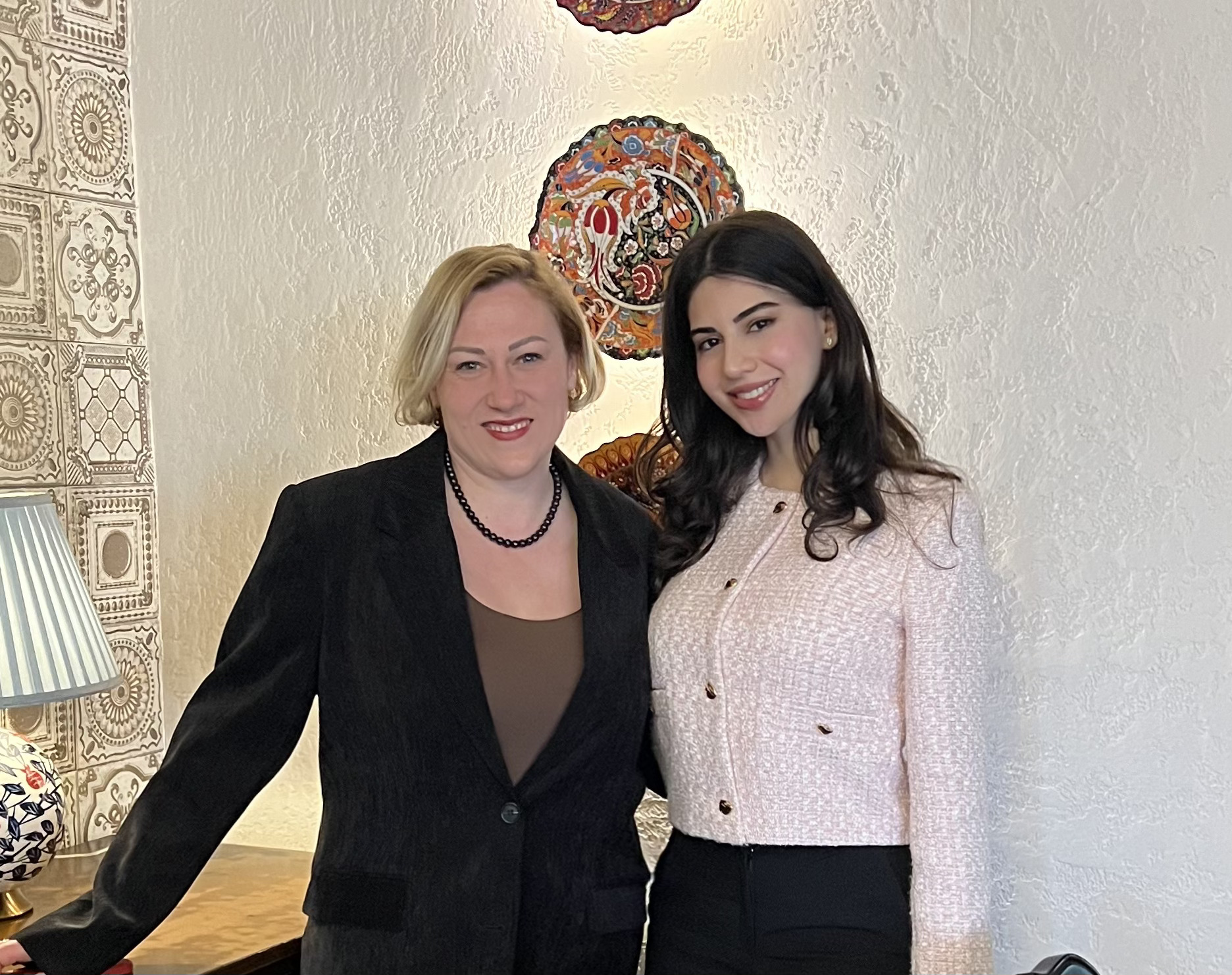
Liqa Sıçova və Cəmalə Naxçıvani, Global Art jurnalının baş redaktoru.
Müsahibəni Global Art jurnalının baş redaktoru Cəmalə Naxçıvani aparıb.