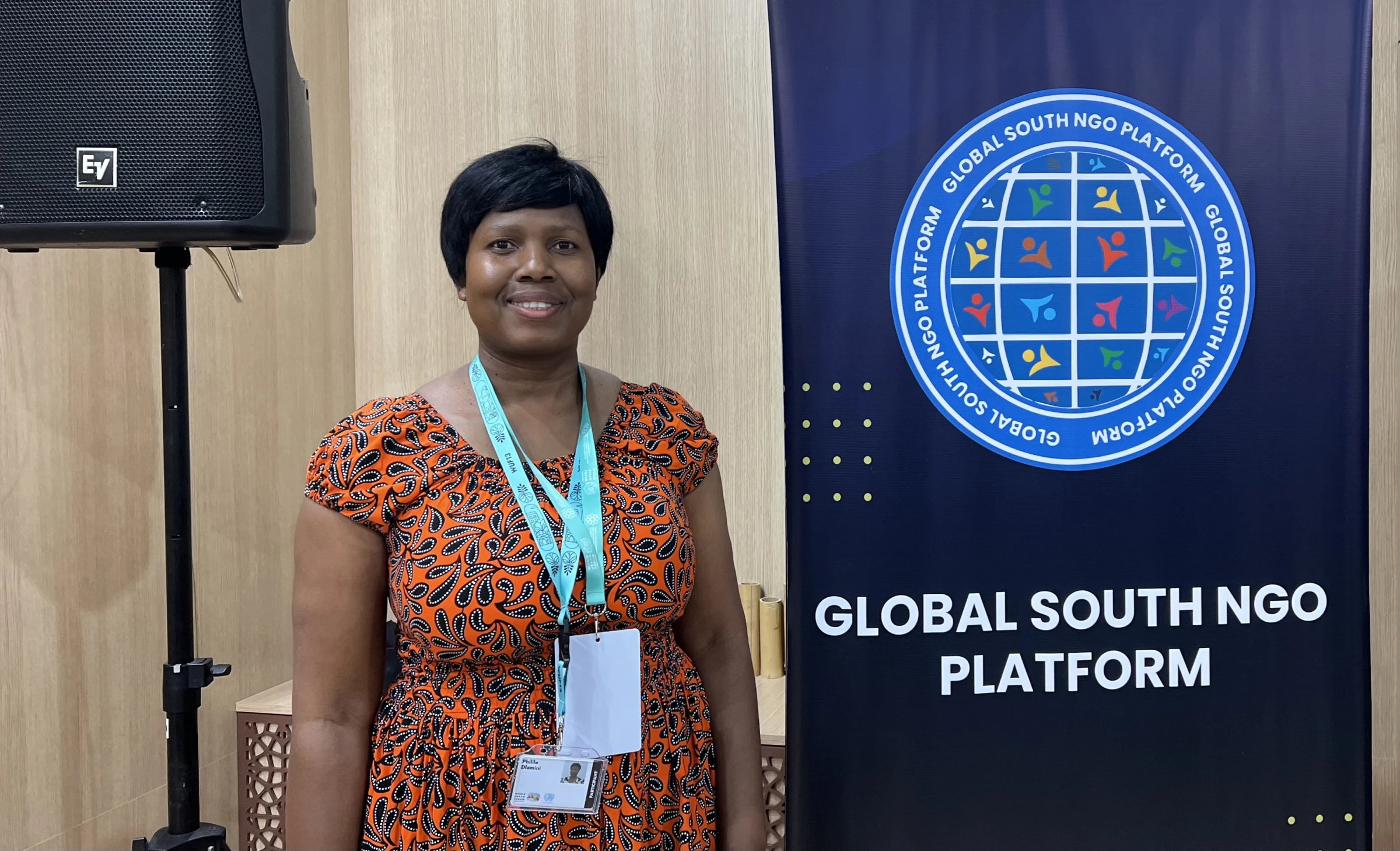
Şəhərlərin gələcəyi getdikcə ekoloji şüurdan, innovasiyadan və sosial inteqrasiyadan asılı olduğu bir vaxtda, Qlobal Cənubdan gələn səslər dayanıqlı qlobal gündəmin formalaşmasında getdikcə daha vacib hala gəlir. Bu ilhamverici dəyişikliklər edənlər arasında Esvatini Krallığında dairəvi iqtisadiyyat təşəbbüsləri və tullantıların idarə olunması həlləri vasitəsilə gənclərin və qadınların səlahiyyətləndirilməsinə həsr olunmuş EcoHarmony Eswatini təşkilatının həmtəsisçisi Philile Dlamini də var.
Bakıda keçirilən Ümümdünya Şəhərsalma Forumunun (WUF13) 13-cü sessiyası zamanı Philile Dlamini Global Art jurnalının baş redaktoru Cəmalə Naxçıvani ilə müsahibəsində şəhərlərin dayanıqlığı, ekoloji innovasiya və dünyanın ən təcili ekoloji problemlərinin həllində yaradıcılığın transformativ rolu barədə düşüncələrini bölüşdü.
— Global Art jurnalına xoş gəlmisiniz! Zəhmət olmasa, WUF13 ilə bağlı təəssüratlarınızı bizimlə bölüşün.
— Bütün oxucularınıza salam! Mən Philile Dlaminiyəm, Cənubi Afrika ilə Mozambik arasında yerləşən Esvatini Krallığındanam. Mən dairəvi iqtisadiyyat və tullantıların idarə olunması sahələrində gənclərin və qadınların səlahiyyətləndirilməsinə yönəlmiş EcoHarmony Eswatini təşkilatını təmsil edirəm.
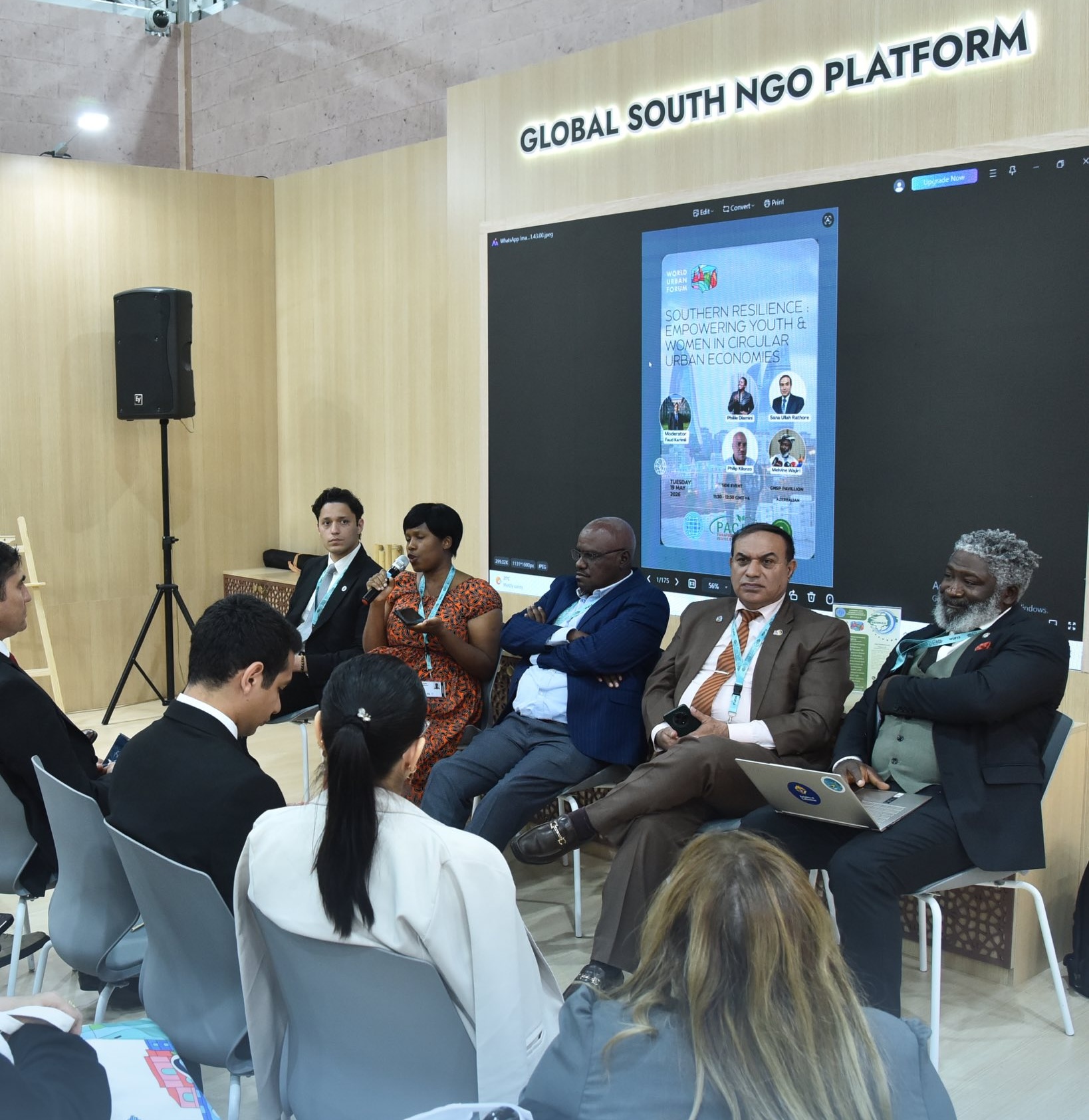
WUF13 həqiqətən də möhtəşəm olub. Bu, Qlobal Cənub QHT Platforması tərəfindən təşkil edilən əsas sessiyalar və əlavə tədbirlər vasitəsilə fəal iştirak edə və səslərimizin eşidilməsini təmin edə biləcəyimiz vacib beynəlxalq platformadır. Bu fürsətə və burada, Bakıda baş verən dialoqun açıqlığına görə dərin minnətdarlığımızı bildiririk.
— Forumun əsas uğurlarından və nəticələrindən biri nə olacaq?
— Forumun ən böyük nailiyyətlərindən biri Qlobal Cənubdakı şəhərlərin üzləşdiyi çətinliklərə dair fikir mübadiləsi və praktik həllərdir. Bu kimi tədbirlər bizə birlikdə qlobal dayanıqlılıq qurmağa kömək edir. Məsələn, Azərbaycanda olduğumuz müddətdə Qarabağa səfər etmək və orada ekoloji şəhər modelinin inkişafını müşahidə etmək imkanı əldə etdik. Bu, olduqca ilhamverici idi. Bu cür təşəbbüslər innovasiya və dayanıqlılığın icmaların yenidən qurulması və ekoloji cəhətdən məsuliyyətli şəhər məkanlarının yaradılması üçün necə əl-ələ verə biləcəyini nümayiş etdirir.
İnanıram ki, bu model bizim də daxil olmaqla bir çox başqa ölkələr üçün nümunə ola bilər. Ümid edirik ki, oxşar dayanıqlı yanaşmalar nəticədə Esvatini və ondan kənarda tətbiq oluna bilsin deyə vətənimizdəki hökumətlərimizlə əlaqələrimizi davam etdirəcəyik.
— Ətraf mühit və şəhər problemlərini həll etməkdə yaradıcılıq və innovativ düşüncənin vacib olduğuna inanırsınızmı?
— Əlbəttə. İnnovasiya və yaradıcılıq cəmiyyətlərimizin bu gün üzləşdiyi bir çox problemlərin həlli üçün açardır.
Məsələn, mənim ölkəmdə tullantı materialları toplayıb onları tamamilə yeni məhsullara çevirən diqqətəlayiq bir gənc qrupu var. Gözəl bir nümunə təkrar emal olunmuş plastikdən hazırlanmış ayaqqabı istehsalıdır.
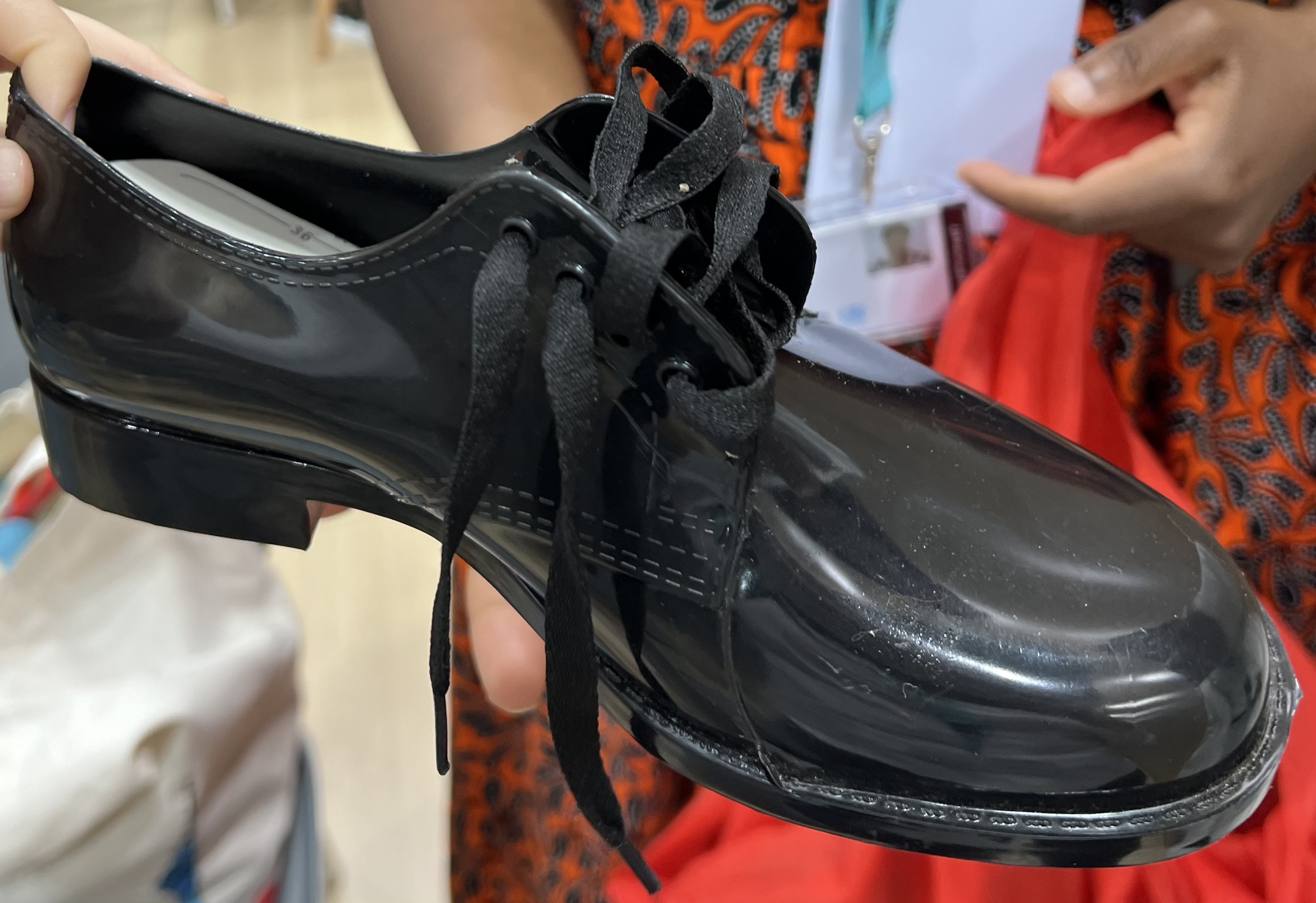
Bu plastik ayaqqabılar daha sonra əks halda məktəb ayaqqabıları olmayan imkansız uşaqlara verilir. Bu şəkildə biz eyni vaxtda iki vacib məsələni həll edirik: ətraf mühit tullantılarının azaldılması və uşaqların təhsilə və ləyaqətə çıxışının dəstəklənməsi.
Bu, yaradıcı düşüncənin ətraf mühit problemlərini sosial təsir və insan inkişafı üçün imkanlara necə çevirə biləcəyini nümayiş etdirir.
Müsahibəni aparıb Cəmalə Naxçıvani, Global Art jurnalının baş redaktoru