Ümümdünya Şəhərsalma Forumunun (WUF13) 13-cü sessiyası zamanı Global Art jurnalı ekologiya, təhsil və davamlı inkişaf üzrə Azərbaycanlı ekspert, Ecosphere sosial və ekoloji mərkəzinin direktoru, Bakı Dövlət Universitetinin dosenti, müstəqil ətraf mühit üzrə ekspert və Sea Breeze şirkətinin davamlılıq üzrə məsləhətçisi Firuzə Sultan-zadə ilə söhbət etdi.
Söhbət 21-ci əsrin qlobal gündəliyini müəyyən edən mövzulara - ətraf mühit təhlükəsizliyinə, davamlı inkişafa, şəhər mühitinin formalaşmasında uşaqların və gənclərin roluna və gələcəyin şəhərlərinin yaradılmasına yaradıcı yanaşmaya ehtiyaca toxundu.
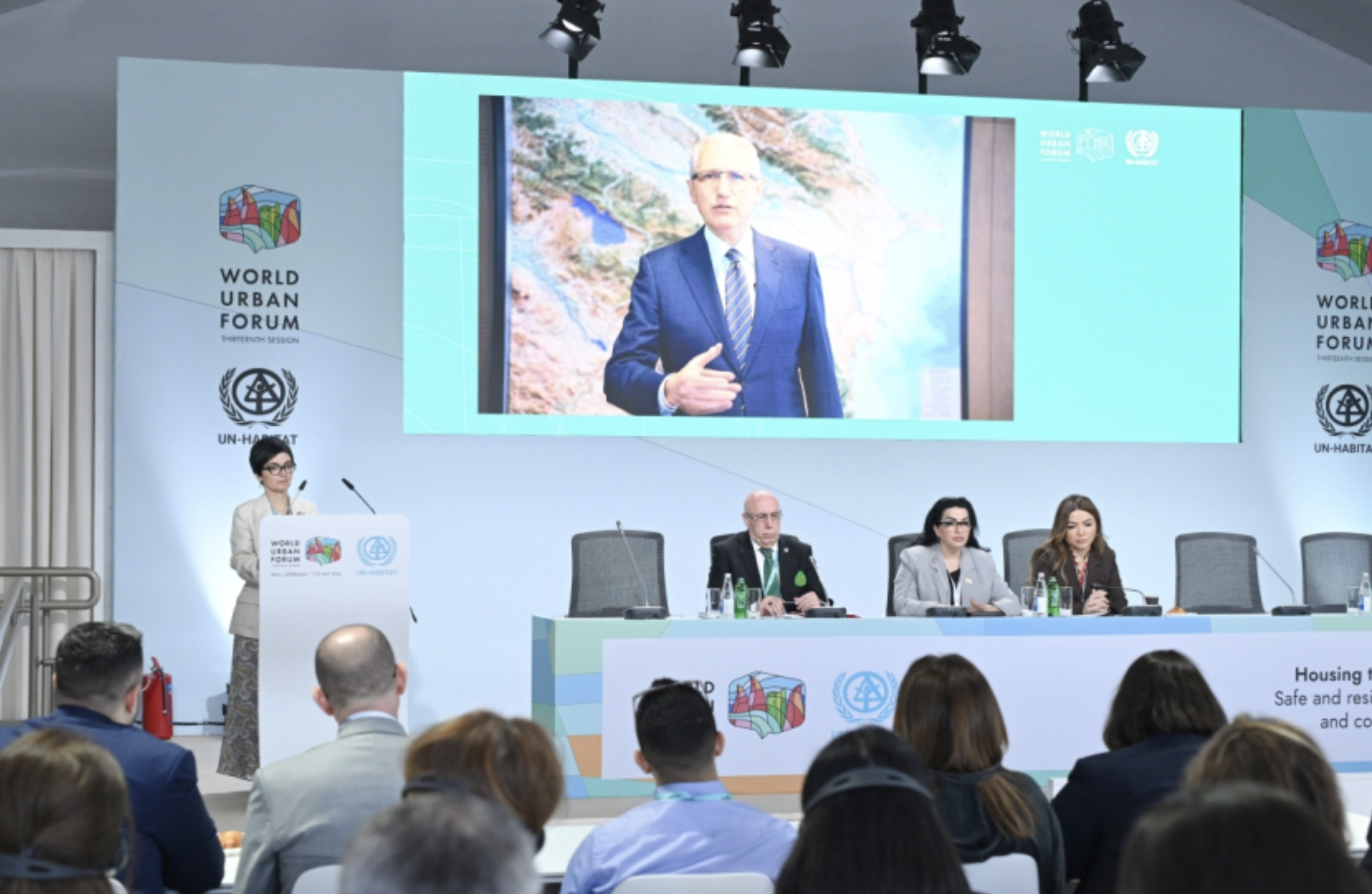
— Firuzə xanım, Bakıda keçirilən Ümümdünya Urbanizm Forumu ilə bağlı təəssüratlarınız və tədbirdən gözləntiləriniz nələrdir?
— COP29-dan sonra Azərbaycanın yenidən belə genişmiqyaslı beynəlxalq tədbirin keçirildiyi məkana çevrilməsindən son dərəcə qürur duyuruq. Bu, xüsusi emosiyalar və vacib qlobal proseslərdə iştirak hissi oyadır.
Bu gün biz bir daha Azərbaycanı qlobal dialoqun mərkəzində görürük və bu, həm ölkəmiz, həm də bütövlükdə beynəlxalq ictimaiyyət üçün həqiqətən son dərəcə vacibdir. Təşkilatımız davamlılıq məsələləri ilə məşğul olduğundan və davamlı inkişafın parametrlərini müəyyən etdiyindən, urbanizm, davamlı şəhər inkişafı, inşa edilmiş ətraf mühit və ekoloji təhlükəsizlik mövzusu ürəyimizə xüsusilə yaxındır. Forumda müzakirə olunan hər şey həm ekspert, həm də praktik olaraq peşəkar işimizə çox uyğundur. Bundan əlavə, Uşaq və Gənclər Pavilyonu bizim üçün xüsusi əhəmiyyət kəsb edir, çünki uşaqlar və gənclərlə işləmək Ecosphere-nin əsas fəaliyyətlərindən biridir.
Bir neçə gündür ki, uşaqlara və gənclərə həsr olunmuş tədbirlərdə iştirak edirik və gənc nəslin maraqları nəzərə alınmadan dayanıqlı, ekoloji cəhətdən təmiz və rahat şəhərlərin mövcud ola bilməyəcəyini vurğulayırıq. Şəhər mühiti uşaqlara, gənclərə, icmalara və bütövlükdə insanlara uyğunlaşdırılmalıdır. Məhz buna görə də beynəlxalq standartlar və burada aparılan müzakirələr bizim üçün çox vacibdir. WUF13-ün uşaqlar və gənclərlə ayrıca panellər və sessiyalar təşkil etməsi, onların səslərinin eşidilməsinə imkan verməsi xüsusilə dəyərlidir.
Digər mühüm tədbir isə BMT-nin WUF Akademiyası adlı proqramında iştirakımız olacaq. İlk dəfə olaraq Ecosphere milli ətraf mühit sertifikatlaşdırma standartlarını təqdim edəcək. Bu təqdimata böyük diqqətlə hazırlaşırıq, çünki bu, ölkənin gələcəyi üçün fundamental olaraq vacib bir təşəbbüsdür. Bu standartların təşkilatların, otellərin, binaların, kurortların və milli parkların fəaliyyətində tətbiqi mexanizmlərini müzakirə edəcəyik. Bu, olduqca perspektivli bir sahədir və əminəm ki, hər bir forum iştirakçısı özləri ilə rezonans doğuran və onlar üçün vacib olan bir mövzu tapa biləcək.
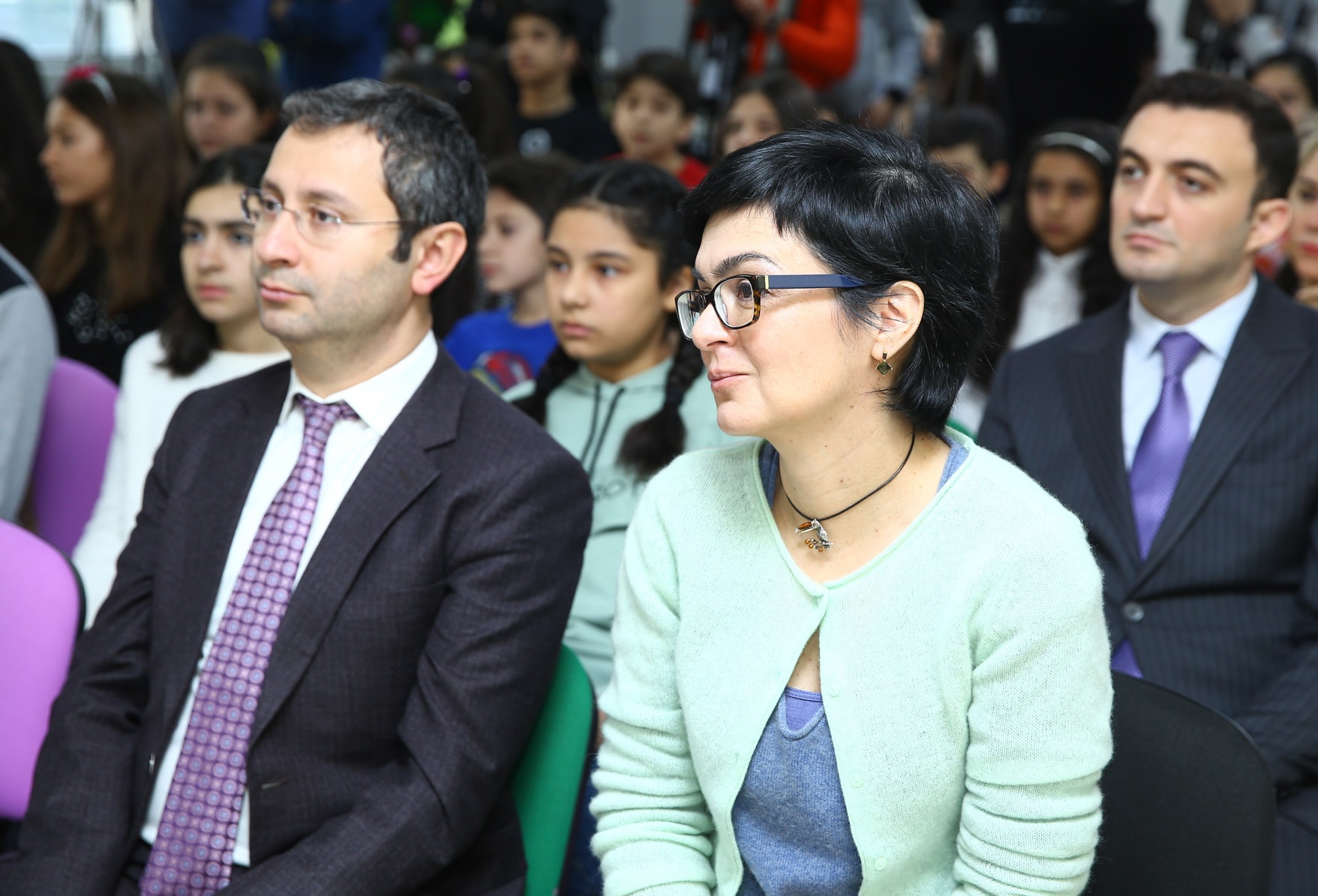
— Sizin fikrinizcə, davamlı inkişaf və şəhər mühiti məsələlərinin həllində yaradıcı və innovativ yanaşma nə dərəcədə vacibdir?
— Bizim üçün yaradıcı yanaşma davamlı inkişafın tamamilə ayrılmaz hissəsidir. Üstəlik, müasir və humanist həllər tapmağa imkan verən yaradıcı düşüncədir.
Xarici həmkarlarımız və beynəlxalq mütəxəssislərlə ünsiyyət qurarkən, onların Azərbaycanın inkişafına, forumun təşkilinə və Bakının şəhər mühitinə nə qədər yüksək qiymət verdiyini görürük. Gənclər və uşaq sessiyalarından birində, Gənclər və Uşaq Assambleyasında iştirakçılar qeyd etdilər ki, Bakı uşaqları sevən bir şəhər kimi hiss olunur. Bu, şəhərin atmosferində, ictimai məkanlarında və ailələrə və gənclərə münasibətində özünü göstərir. Bu, bizim üçün xüsusilə dəyərlidir.
Bundan əlavə, komandamız turizm və ekoloji təhsil sahələrində uşaqlar üçün interaktiv tədris metodlarının hazırlanmasında öncülük edib. Biz həmişə təhsili canlı, cəlbedici və ilhamverici etməyə çalışmışıq.
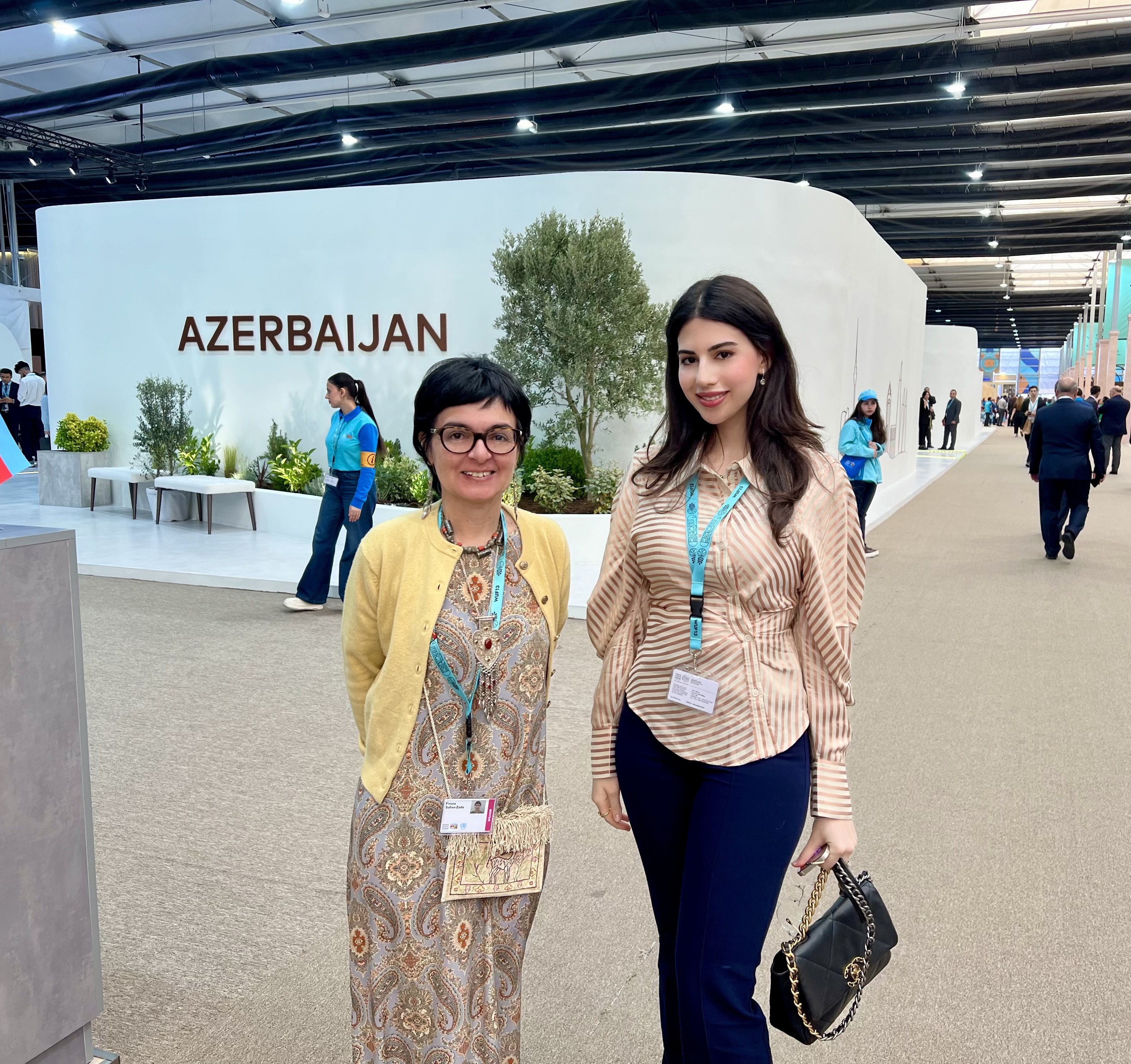
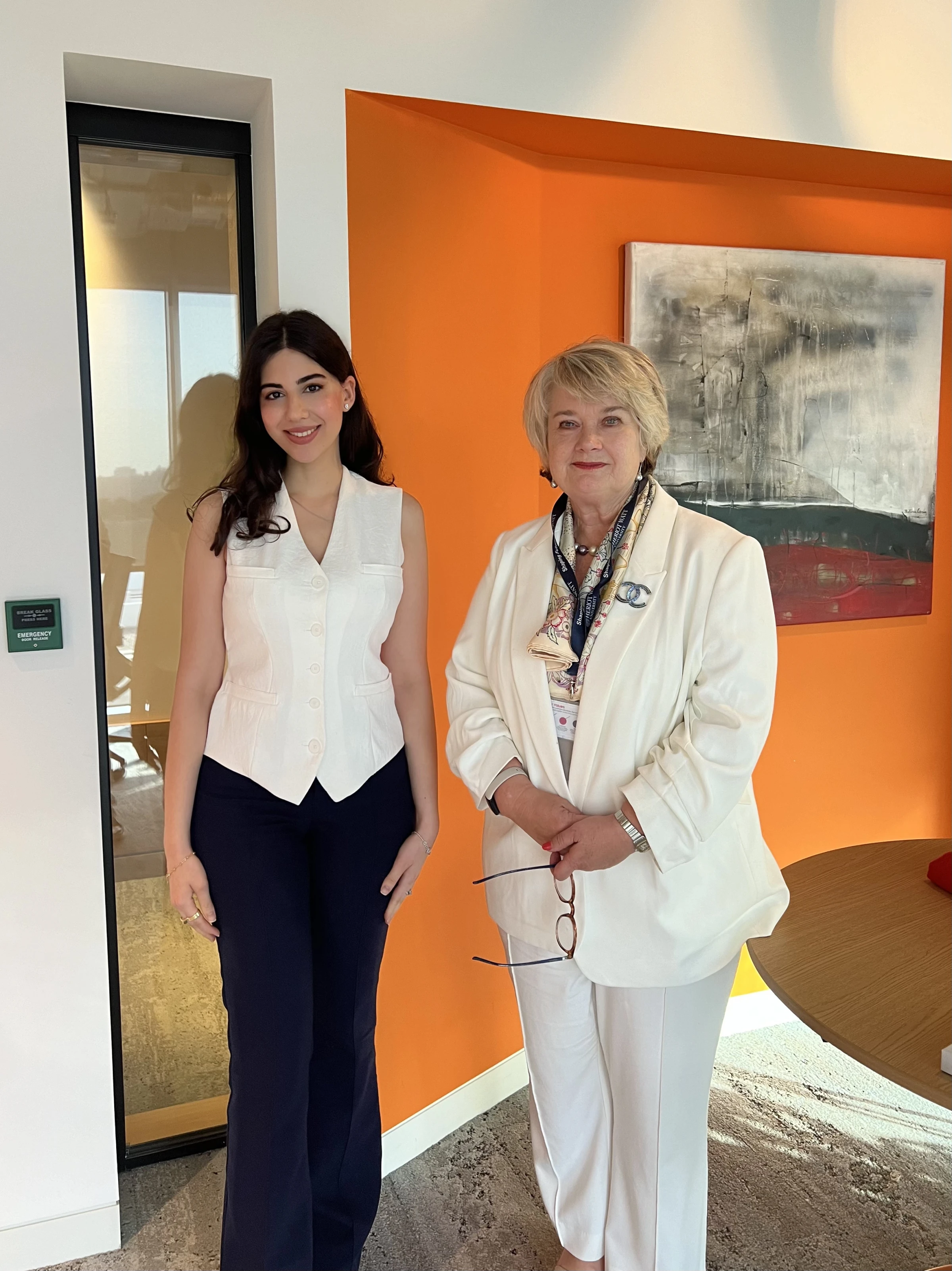
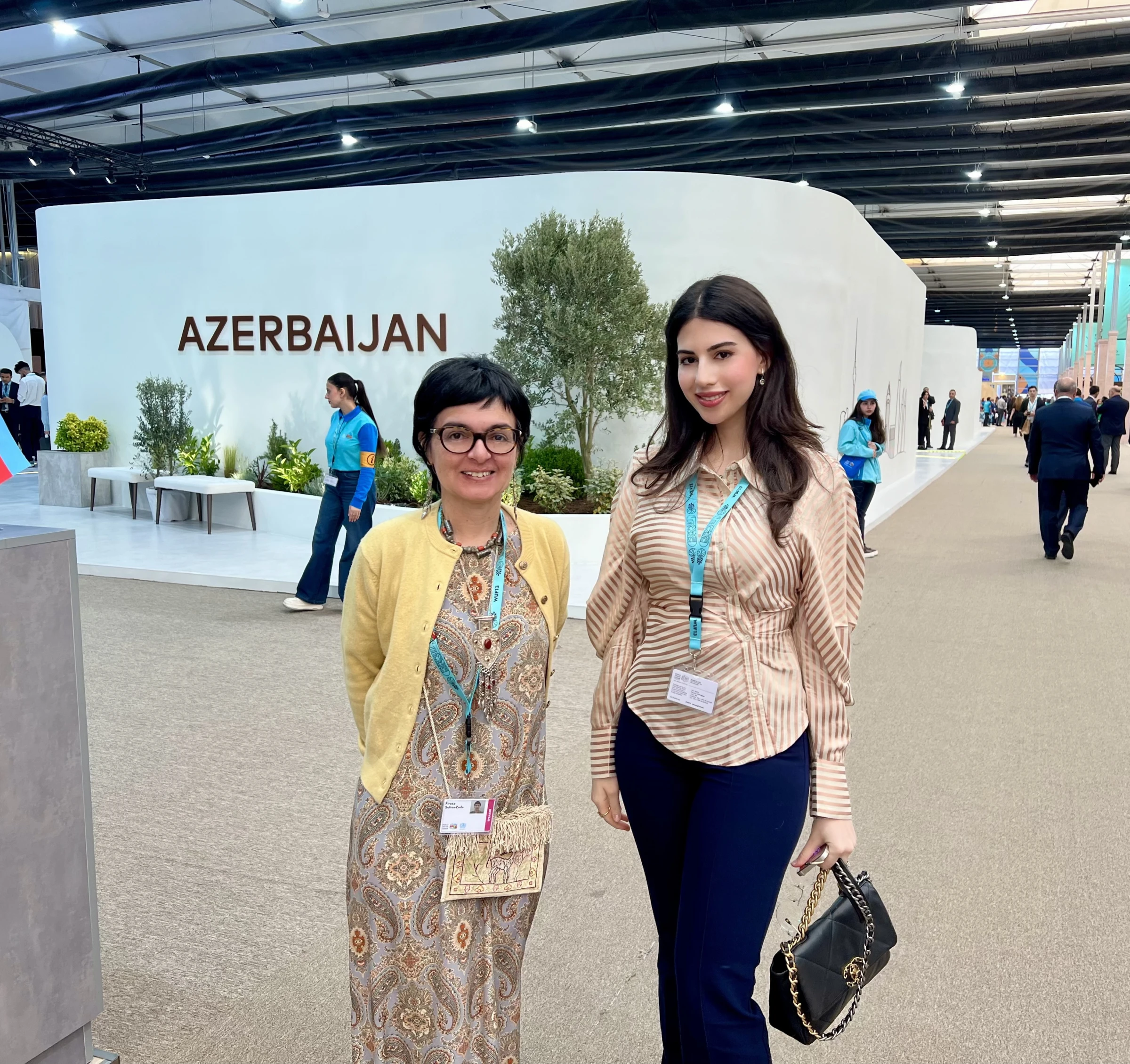
Firuzə Sultan-zadə və Cəmalə Naxçıvani, Global Art jurnalının baş redaktoru
— Forumda təqdim olunan Sea Breeze ilə birgə təşəbbüs barədə bizə danışardınız, zəhmət olmasa.
— Bu, həqiqətən də bizim üçün çox vacib bir layihədir. Bu yaxınlarda, forumda Sea Breeze, uşaqlar və gənclərin təxminən altı aydır üzərində işlədiyi təşəbbüsümüzü dəstəklədi. Əvvəlcə qış laboratoriyası, sonra isə yaz laboratoriyası - yaşıl startaplar üçün unikal bir platforma idi, burada uşaqlar və yeniyetmələr beş fərqli sahədə öz davamlı şəhər inkişafı konsepsiyalarını inkişaf etdirdilər.
Nəticədə on iki qalib seçildi və üç layihə yalnız gələcək inkişaf üçün maliyyə dəstəyi deyil, həm də ən əsası, Sea Breeze-də həyata keçirilmək imkanı qazandı. Bu, uşaqların ideyalarının real şəhər mühitinin bir hissəsinə çevrilə biləcəyinə dair bir nümunədir.
Qalib gələn təşəbbüslər arasında əlilliyi olan uşaqlar üçün inklüziv oyun meydançası, uşaqların maneələr və məhdudiyyətlər olmadan bir yerdə ola biləcəyi bir məkan da var idi. İnteraktiv oyun marşrutu şəklində təhsil ekoloji proqramı da təqdim edildi. Xüsusilə təsirli bir layihə, qeyri-adi bir "hörümçək" formasında orijinal oyun meydançası dizayn edən altı yaşlı bir qız idi və bu ideya hazırda həyata keçirilməsi üçün nəzərdən keçirilir. İnanıram ki, gələcəyin əsl şəhəri məhz bu kimi təşəbbüslərdə yaranır.
Müsahibəni Global Art jurnalının baş redaktoru Cəmalə Naxçıvani aparıb