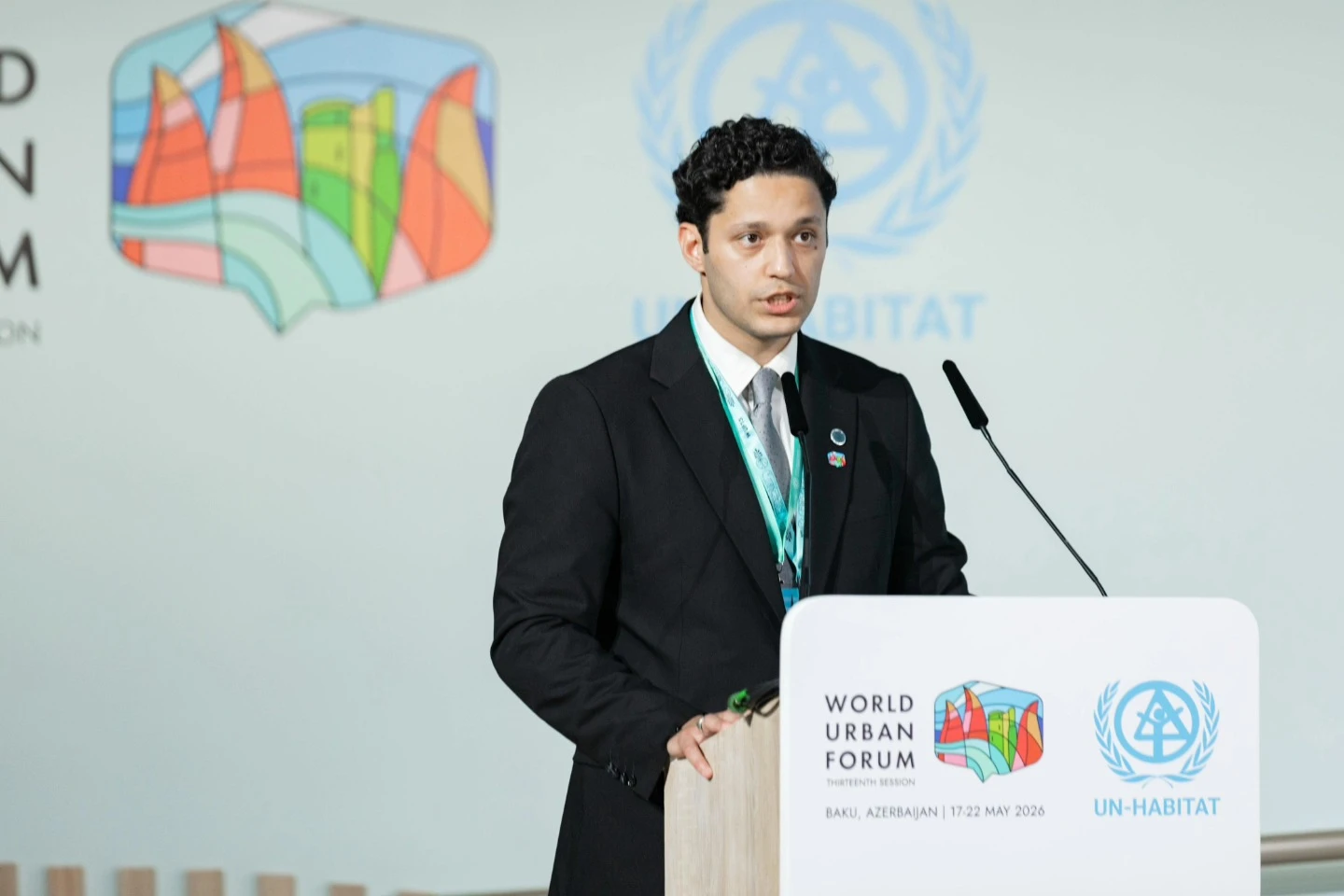
Qlobal şəhərlərin bəşəriyyətin gələcəyini yenidən müəyyənləşdirdiyi bir dövrdə mədəniyyətin, dialoqun və vətəndaş həmrəyliyinin rolu getdikcə daha əhəmiyyətli hala gəlir. Azərbaycan hökumətinin dəstəyi ilə keçirilən BMT-nin Ümumdünya Şəhərsalma Forumunun (WUF13) 13-cü sessiyası təkcə şəhər inkişafı, dayanıqlılıq və sosial inteqrasiya məsələlərini müzakirə etmək üçün əsas beynəlxalq platforma deyil, həm də Qlobal Cənub xalqları arasında əməkdaşlığın güclü simvoluna çevrilib.
Bu müzakirələrin mərkəzində inkişaf etməkdə olan və ən az inkişaf etmiş ölkələrin səslərini beynəlxalq səhnədə gücləndirən bir təşəbbüs olan Qlobal Cənub QHT Platforması dayanır. Qlobal Cənub QHT Platformasının Baş Katibi cənab Fuad Kərimli Global Art jurnalına verdiyi bu eksklüziv müsahibədə inklüziv dialoqun əhəmiyyəti, qlobal siyasətin mədəni ölçüsü və Azərbaycanın bu cür əhəmiyyətli beynəlxalq forumlara ev sahibliyi etməkdə oynadığı unikal rol barədə düşünür.
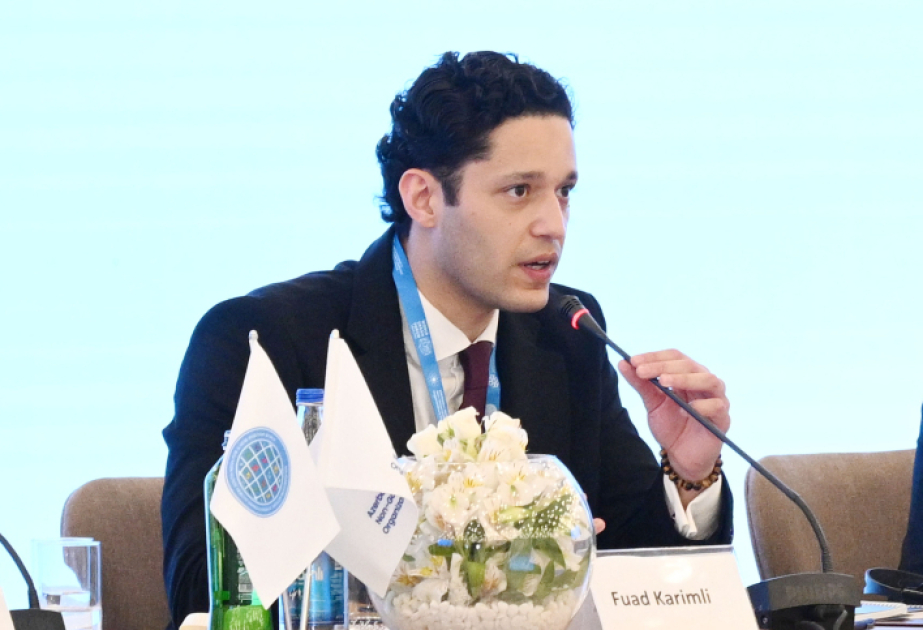
— BMT-nin Ümumdünya Şəhərsalma Forumunun 13-cü sessiyası ilə bağlı təəssüratlarınız necədir?
— BMT-nin Ümumdünya Şəhərsalma Forumu indiyə qədər həqiqətən də əlamətdar olub. BMT-Habitat üzv təşkilatlarımız, xüsusən də Qlobal Cənub QHT Platformasında təmsil olunan QHT-lər üçün bizə səxavətlə pulsuz bir stend təqdim edib. Bu təşkilatlar əsasən inkişaf etməkdə olan və ən az inkişaf etmiş ölkələrdən gəlir və onların bir çoxu sadəcə olaraq böyük beynəlxalq tədbirlərdə iştirak etmək və səslərini qlobal səviyyədə eşitdirmək üçün lazımi maliyyə resurslarına malik deyil.
Bu fürsət sayəsində üzvlərimiz panel müzakirələri təşkil edə, mənalı dialoqa qoşula və şəhər inkişafının gələcəyini formalaşdıran söhbətlərə fəal şəkildə töhfə verə bilirlər. Həm ziyarətçilərin, həm də iştirakçıların böyük marağının şahidi oluruq və reaksiya inanılmaz dərəcədə ruhlandırıcı olub.
İnanıram ki, Qlobal Cənub QHT Platforması yaradıldığı missiyanı - təmsil olunmayan səslər üçün məkan yaratmaq və beynəlxalq əməkdaşlığı inkişaf etdirmək üçün tam olaraq yerinə yetirir. Bu, BMT-Habitatın, üzvlərimizin və tərəfdaşlarımızın və əlbəttə ki, Dünya Şəhər Forumunun 13-cü sessiyasına ev sahibliyi etməkdə rolu xüsusi təqdirəlayiq olan Azərbaycan hökumətinin dəstəyi sayəsində mümkün olub.
Azərbaycan mədəniyyətlər, regionlar və qlobal perspektivlər arasında körpü kimi artan əhəmiyyətini bir daha nümayiş etdirir.
— Şəhər və qlobal problemlərin həllində yaradıcı və mədəni yanaşma nə dərəcədə vacibdir?
— Mən inanıram ki, bu, tamamilə vacibdir. Öz təşkilatımızı nümunə götürsək, Sakit Okean regionu üzrə baş katibimizin müavini xanım Sesil Qvidote-Alvarez QHT işinin mədəni ölçüsündə geniş təcrübəyə malikdir. O, demək olar ki, hər COP konfransında iştirak edib və mədəniyyət və incəsənətin qlobal müzakirələrə inteqrasiyasını daim müdafiə edir. Çox vaxt bu söhbətlər yüksək texniki xarakter daşıyır. Onlar siyasətlərə, rəqəmlərə və sistemlərə yönəlib ki, bunların hamısı əlbəttə ki, vacibdir, lakin bəzən sənətin təbii olaraq gətirdiyi emosional və insani ölçüdən məhrum olurlar.
İncəsənət mürəkkəb reallıqları dərin şəxsi və universal başa düşülən bir şeyə çevirmək qabiliyyətinə malikdir. O, empatiya yaradır. O, insanlara məsələləri yalnız intellektual olaraq anlamağa deyil, həm də onları emosional olaraq hiss etməyə imkan verir. Buna görə də sənətkarların bu beynəlxalq söhbətlərdə görünən və hörmətli bir yerə sahib olmalarına inanıram.
Forumun bir hissəsi olaraq, hazırda məkanın xaricində bir sərgimiz keçirilir. Onu xüsusilə mənalı edən odur ki, o, təkcə reallığın özünü deyil, həm də insanların şəhər həyatını və irsini necə emosional olaraq qəbul etdiyini əks etdirir. Gənc rəssamlar tərəfindən yaradılan sənət əsərləri şəhərimizi həm tarixi kimliyi, həm də müasir transformasiyası vasitəsilə təsvir edir, köhnə ilə yeni arasındakı dialoqu əks etdirir. Bu bədii perspektiv şəhərlər və icmalar haqqında müzakirələrə dərinlik qatır. Bu, bizə şəhər məkanlarının sadəcə infrastruktur olmadığını, yaddaş, kimlik və təxəyyüllə formalaşan canlı mədəni mühitlər olduğunu xatırladır.
— Çox sağ olun!
— Təşəkkür edirəm!
Müsahibəni Global Art Jurnalının baş redaktoru Cəmalə Naxçıvani aparıb.